The internet allows data to be sent half way across the globe almost instantly, and provides the means for people to communicate in ways previously not possible.
But the internet is a public place. No matter how good companies are securing their data, there are chances that a hack can happen. And in this age of ongoing digital transformation, cybercrime has quickly become one of the fastest-growing form of criminal activity.
According to Accenture, cybercrimes cost companies trillions of dollars globally. And one of the most affected, is small businesses.
43% of online attacks aimed at small businesses, due to the fact that small businesses tend to have less secured databases and/or infrastructure.
As a matter of fact, only 14% of small businesses are prepared to defend themselves.
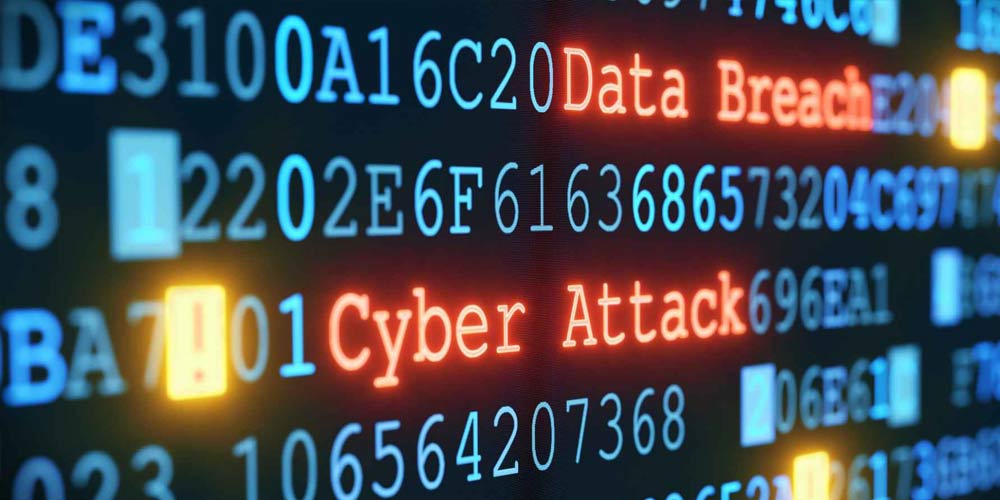
Methods of defense have grown and become more sophisticated and powerful, and they have indeed helped many companies in securing their systems. However, modern IT infrastructure has also grown more complex and sophisticated, and makes the effort to safeguard data more tedious.
As a result, it's a guarantee that virtually every modern organization's high-tech perimeters can be breached.
And in this case, small business owners can experience intolerable damage, as digital incidents can cost them an average of $200,000, according to Hiscox, a Bermuda-incorporated insurance provider.
60% of businesses that experienced cyberattacks can go out of business within six months of being victimized.
Making matters worse, the frequency with which these attacks are happening is also increasing, with more than half of all small businesses having suffered a breach within the last year and 4 in 10 having experienced multiple incidents.
What makes small businesses even more vulnerable is that, according to Keeper Security's 2019 SMB Cyberthreat Study, only 66% of decision-makers at small businesses still believe that they're unlikely be targeted by hackers.
"Attackers are getting smarter, attacks are occurring faster, and incidents are becoming more complex," cautions Justin Fier, director of cyberintelligence and analytics at cyberdefense firm Darktrace. "The latest cyberattacks speedily exploit vulnerabilities in computer networks — and can overtake even major networks in an hour and a half."
Small businesses are also most affected because small businesses tend to realize about a hack they experienced after 101 days, on average. What this means, the damage they have sustained could have added up.
To defend against cyberattacks, small companies are urged to:
- Make daily backups and create duplicates of data and files, which can be retrieved quickly after the moment of disruption.
- Use antivirus and firewall software, and update them regularly.
- Routinely monitor and scan any device that's connected to a computer system or network, and prohibiting the use of removable media storage at work.
- Limiting employees' access to only the files, folders, and applications that are required to perform routine on-the-job tasks.
- Provide regular, up-to-date training for employees.
- Engage in teaching drills and exercises based in real-world scenarios to test employees' ability to detect scammers and respond appropriately to fraudulent requests.
- Remind employees of the dangers of phishing emails, and make them go against clicking on unsolicited email links and attachments.
- Use multi-factor authentication.
- Conduct ongoing vulnerability testing and risk assessments on computer networks and applications to seek out and address possible points of failure.
- Use tools to scan networks, user accounts, and applications to find anomaly and/or suspicious activities.