Venezuelan President Nicolás Maduro has ordered banks to use the Petro cryptocurrency as a unit of account. And here, the move has caused some problems in the country.
Retail stores in Venezeula are protesting el Petro by refusing to accept it as a payment method, reported a local news agency.
The el Petro cryptocurrency was meant to help Venezuela deal with hyperinflation.
However, the adoption of the controversial cryptocurrency isn't as expected. Retailers said that none of their suppliers accept the cryptocurrency, meaning that vendors have to exchange it for fiat.
With Venezuela is still experiencing hyperinflation, the value of goods increase rapidly. This is bad news for vendors because they have reportedly found it difficult to reliably replenish stock.
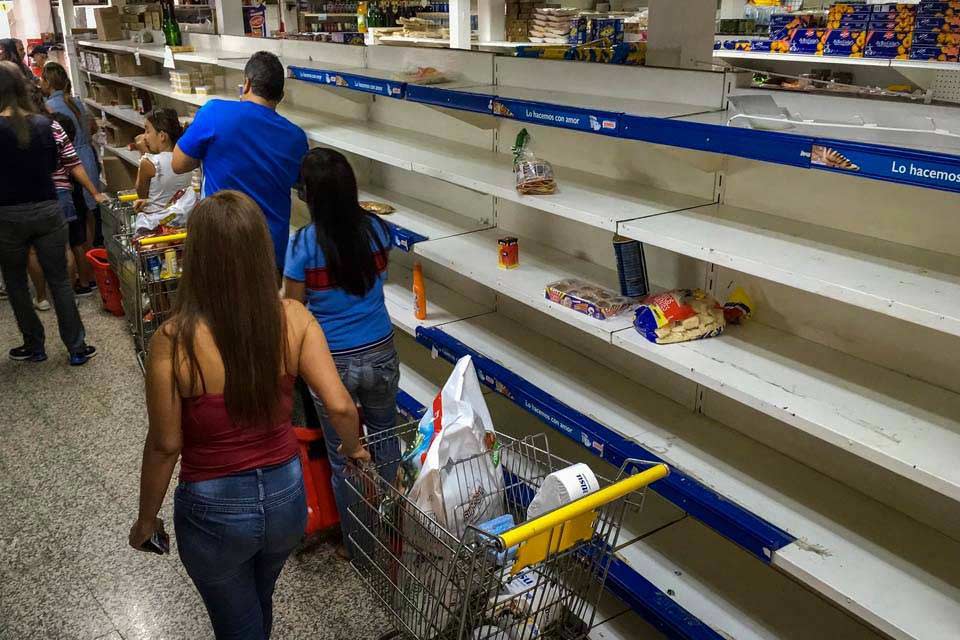
The local news reported that:
"However, it has paid according to the price of the Petro of the moment in which they made the operation, which means that due to the hyperinflationary crisis that Venezuela suffers since 2017 they received a devalued money with which they will not be able to replace all the merchandise sold. "
And according to María Carolina Uzcátegui, former president of the National Council of Commerce and Services (Consecomercio):
"They practically forced them to make a loan in full hyperinflation."
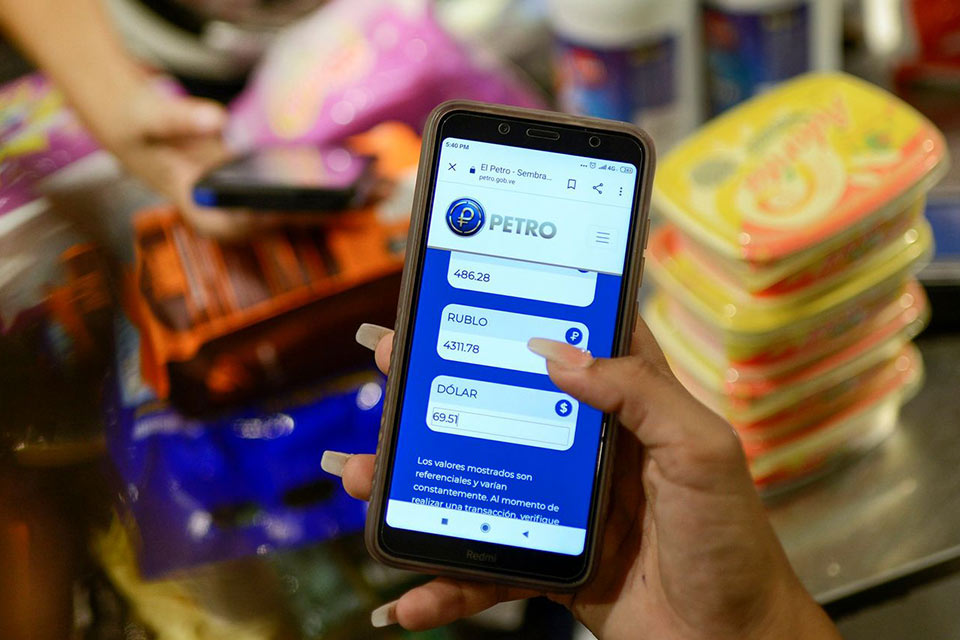
President Maduro set up this sovereign cryptocurrency to have it tied to the national fiat currency, the Sovereign Bolivar, and even pegged pension and salary systems to the token. Maduro also insisted that el Petro must be adopted by the country’s public banking system and the national private banking sector, because it is pegged to the country’s rich oil reserves – as well as state-owned companies.
The President also mandated that payments for airport tax and passports should be made in el Petros.
What this means, the el Petro cryptocurrency is supposed to be interchangeable.
The country is reported to be leveraging cryptocurrencies as part of its effort to bypass U.S. sanctions.
However, Maduro‘s plan isn’t working well on this country at the northern coast of South America. With the hyperinflation situation that Venezuela is going through, there is also the delay that merchants have to endure. The devaluation and the waiting time greatly affect small businesses, as they are have relatively less money and have nowhere to hold on.
According to Cipriana Ramos, former president of Consecomercio, there are more than 7,000 businesses that accepted payments in Petros that have been severely affected by delays in liquidation.
Although Venezuelan inflation has slowed, it is still considered the highest in the world.






















































































































































































































































































