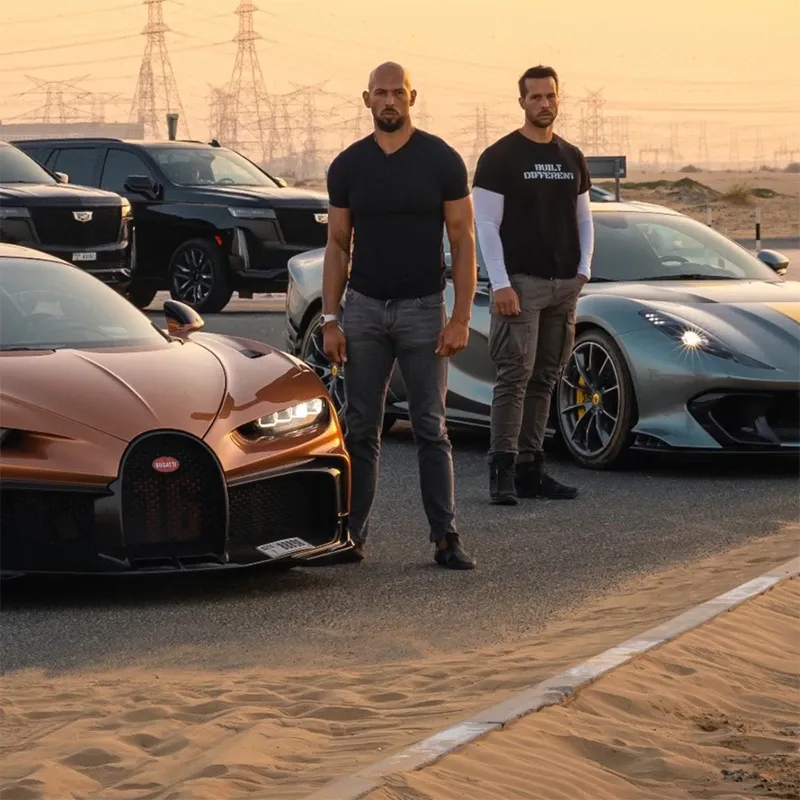
The internet has spent years treating certain images as proof of success. A man leaning against a Bugatti, standing on the deck of a yacht, flashing a watch that costs more than a house, speaking as if money is a language only he fully understands.
For a generation of young men looking for a map out of ordinary jobs and ordinary lives, those pictures were the map.
Andrew Tate and his brother Tristan built one of the largest such maps in the world, then spent years selling the rest of the journey through paid communities that promised to teach the methods behind the pictures.
This time however, their own lawyers told a federal court in Miami that a large part of the map was scenery.
In other words, everything is a content.
Everything is fake, if not most of it.
In a 28-page filing supporting a motion for release, the brothers' attorneys argued that prosecutors had made the same error as millions of followers: they had taken the the Tates and their posts too seriously.
The cars that appeared in Tristan videos, including the $2.1 million Aston Martin and the Bugattis valued at $5 million and $7 million, were all rented.
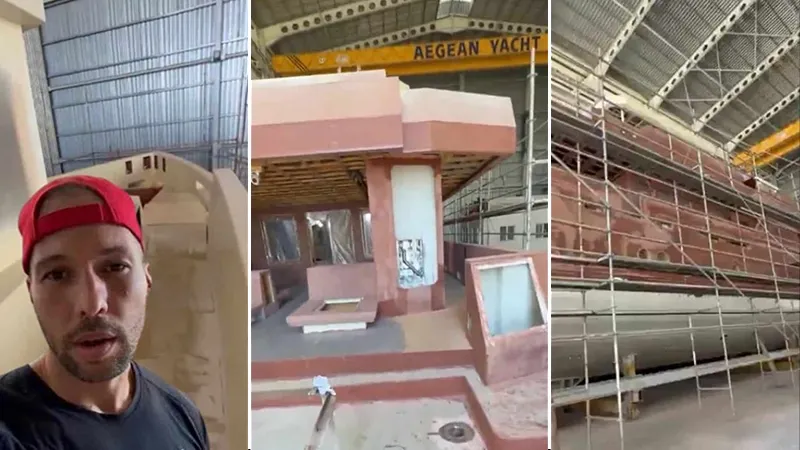
The $50 million superyacht that featured in promotional clips also did not belong to them.
They had been paid to promote them.
Valuations of Andrew's watch collection that circulated online came from enthusiast publications, not from proven ownership.
Claims of unlimited cash, cryptocurrency, and private jets were, the lawyers wrote, grandiose.
Posts suggesting Andrew's tweets generated nine-figure sums, that he would one day become British prime minister, or that he could beat a wolf in combat, were also hyperbole.
The video in which he displayed passports from the U.S., the UK, Estonia, Nigeria, Poland, and Vanuatu was a joke, complete with a fake Nigerian accent.
A Mexican document in the name Vladimir Scorpius, a James Bond villain, was described as a cardboard Halloween prop.
"The more hyperbolic and outlandish the post, the more likely it will generate views and likes, which in turn generates income," the filing stated. "In short, they are playing a role."
In other words, the Tates pretended to be rich to influence others with their methods for becoming rich.
But that doesn't mean they earned nothing.
Hustlers University, later The Real World, and the War Room were real paid products.
Reported subscriber revenue ran into the millions of dollars a month at its peak. What the lawyers conceded is the image used to sell those products: ownership of the Bugattis, the Aston Martin, and the yacht was not what the videos made it look like.
So the short version holds.
They used a rich-looking set to sell lessons on how to get rich. Their lawyers now say the set was largely rented and staged.
In other words, they are rich, but not that rich.
They live a fake lifestyle they couldn't afford for real.
The admission was not made for the sake of candor. It was made to fight detention.
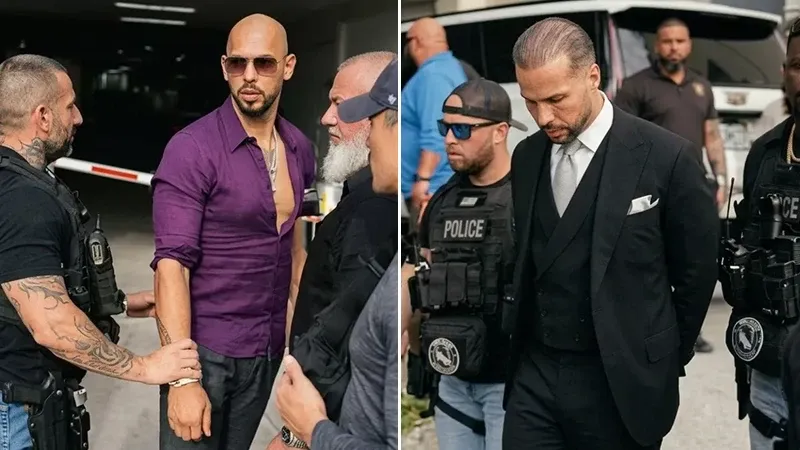
The brothers were arrested in Miami on July 18 by the U.S. Marshals Service after British authorities authorized 38 additional charges and sought extradition.
Andrew Tate, 39, now faces a total of 42 UK charges that include multiple counts of rape, sex trafficking, assault, and 19 counts related to indecent images of a child and extreme pornography.
Tristan Tate, 38, faces 17 charges including sexual assault, rape, and sex trafficking.
The alleged conduct spans 2010 to 2017 and involves seven alleged victims.
Both men deny the accusations. They remain at the Federal Detention Center while they contest extradition. Prosecutors cited the social media image of wealth, the claimed passports, and the brothers' networks as reasons they present a flight risk.
The defense answer was that the image itself was a product.
That product has a long commercial history.
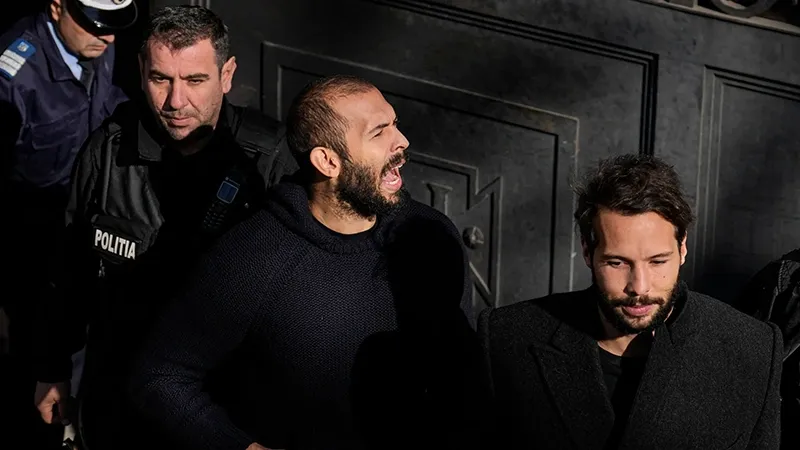
Before the courses and the catchphrases, the Tates ran a webcam operation in Romania after leaving Britain in 2016.
The model, described in later reporting and in Romanian case files, involved recruiting women through dating apps and social media, establishing romantic relationships, then moving them into online sex work and taking a substantial share of the earnings.
Andrew Tate has referred to himself as a pimp and later called the arrangement a scam.
Romanian prosecutors have alleged that the brothers and associates made at least $2.8 million by exploiting women, and that the investigation now encompasses more than 30 alleged victims, including a minor.
They have also alleged money laundering through companies such as Talisman Enterprises and Ground Breaking Development, with large sums introduced as apparent loans and then used to buy property and vehicles registered in other names.
A 2023 accounting by Romanian authorities of assets they sought to seize put the documented total near $12 million, including luxury cars, watches, real estate, cash, and a modest Bitcoin holding.
That figure sits far below the hundreds of millions sometimes attributed to the brothers online. A British court later authorized the seizure of more than £2 million after finding they had failed to pay tax on £21 million in revenue from online businesses.
The larger public fortune was built after the webcam years, when Andrew Tate turned the same attention economy toward young men.
Hustlers University launched in 2021 as a $49.99-a-month Discord community that promised instruction in crypto, e-commerce, copywriting, freelancing, affiliate marketing, and other "wealth creation" methods.
Growth came from an affiliate scheme that paid members a large cut of the first month's subscription when they recruited others, which produced a flood of short clips across TikTok and similar platforms.
After major social networks banned Tate in 2022, the product was relaunched as The Real World on infrastructure the brothers said could not be taken down.
Leaked and reported figures from later years put monthly revenue in the range of several million dollars when subscriber counts were high.
A more exclusive circle called the War Room charged thousands of dollars for access and included material that critics and investigators have described as instruction in recruiting women into sex work.
Satellite products followed: merchandise under the Top G label, supplements, and a streaming channel.
The entire stack depended on a single visual argument: if the man on screen owned the cars and the boat, then the courses that claimed to teach his methods were worth the subscription.
Because the brothers sell businesses that teach men how to earn money, "it is in their interest to portray themselves on social media as uberwealthy."
Outrage was not a side effect. It was the distribution system.
The more extreme the claim, the more the clip traveled, the more the funnel filled.
Another of saying this: the Tates need to look rich in order to sell subscriptions, which are their main source of income.
To create that image, they rent luxury items or use paid sponsorships.
The court filing now makes the reverse of that argument: the flashy cars, yacht, and other props were rented or promotional, so they should not be treated as proof of personal wealth or a flight risk.
Romanian investigators have separately alleged that some luxury cars purchased in 2023 and 2024 were registered to other people in an effort to conceal the origin of funds.
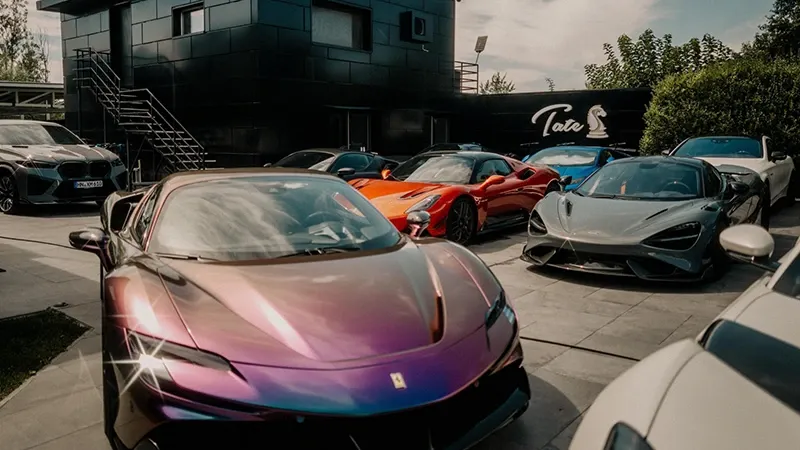
The two pictures, rented props for content and cars titled to intermediaries, sit in different legal files but describe the same problem of appearance versus title.
The brothers still have businesses, audiences, and lawyers. They still deny every criminal allegation in Britain and Romania. The Miami filing does not concede guilt on those charges.
It concedes something narrower and, for the brand they built, potentially far more damaging.
The lifestyle that once sold the Tate brothers' image of extraordinary wealth was, according to the defense now being presented, largely a performance.
The cars were rented. The yacht was a paid promotion. The passport video was a joke.
And the wealth that prosecutors have treated as a means of escape is now being portrayed by the defense as something far less substantial than the image the brothers once cultivated.
But that creates another problem that cannot be avoided.
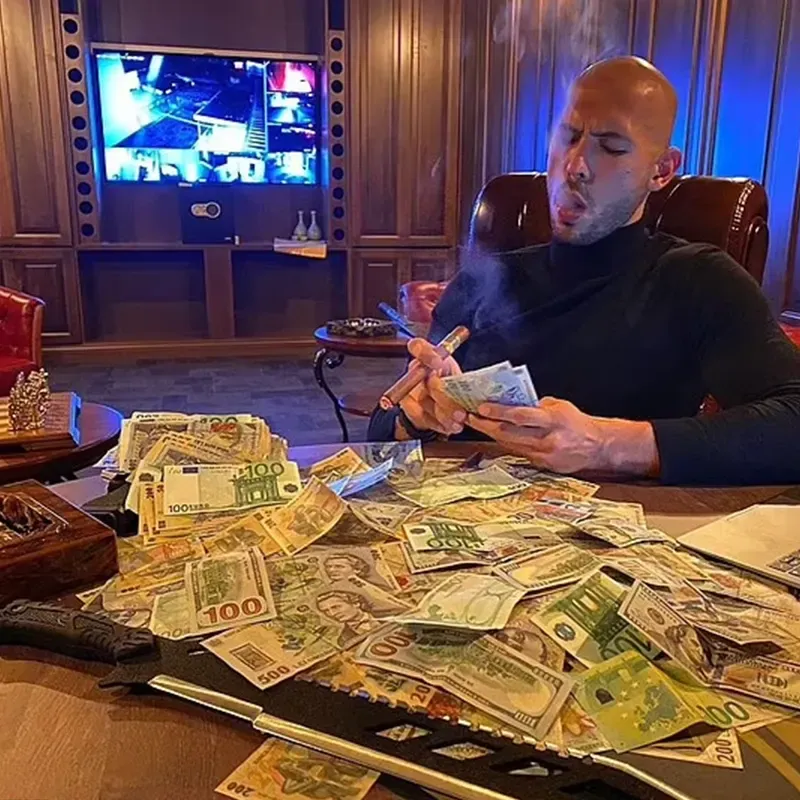
If Andrew and Tristan's lawyers are now telling the court that the brothers were never as wealthy as they appeared, those claims can potentially be tested against financial records, company ownership, property records, bank accounts, and other evidence.
Defense lawyers also cannot knowingly present fabricated evidence or deliberately mislead the court.
If prosecutors can establish that the brothers actually controlled substantial wealth or assets that were not simply rented or staged for appearances, the argument that their wealth was largely an illusion could lose credibility.
That could make the issue bigger than the money itself.
The brothers' carefully constructed image of extreme wealth was central to their public persona. If their own legal defense now requires them to distance themselves from that image, they may no longer be able to rely on the same portrayal of wealth that helped build their brand.
And if the evidence ultimately shows that the reality was closer to the image than the defense now suggests, that contradiction could become another problem for their credibility in court.
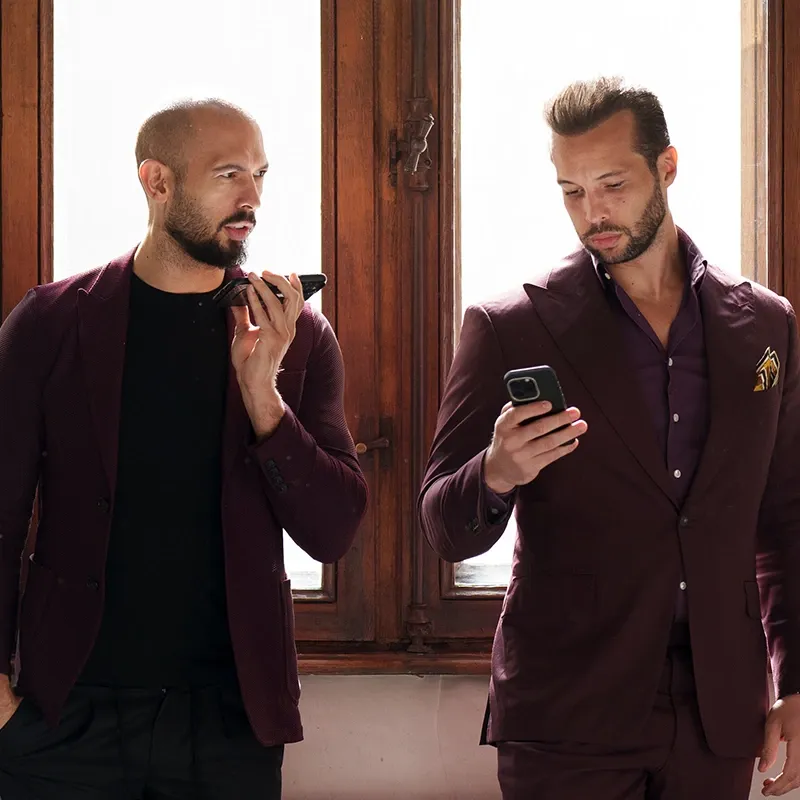
What makes the Tates' story larger than whether the cars were rented or the yacht was a promotional, is the culture that made the image valuable in the first place.
For years, the internet has turned wealth and power into a form of authority. The Tates understood that language extremely well.
Their online persona was built around an exaggerated version of masculinity, wealth, control, and status. The money, the women, and the other expensive items that are unobtainable to the general audience were not simply possessions.
They were props in a larger story about what a successful man was supposed to become.
But the internet rarely shows the paperwork behind the image.
That is the larger reality of the Tate phenomenon.
The image does not have to be completely real to influence people. It only has to look real long enough for someone to believe it.
Further reading: Andrew Tate, The Rise And Fall, And The Rerisen Misogynist Social Media Influencer




















































































































































































































































































