Most if not all smartphones in the market are either powered by iOS from Apple, or Android from Google.
Apple's phones are known to have a longer support. According to its website, owners of iPhone, iPad, iPod, Mac or Apple TV products "may obtain a service and parts from Apple service providers, including Apple Retail Stores and Independent Repair Providers, for a minimum of 5 years from when Apple last distributed the product for sale.”
And that support may be extended to up to seven years, depending on parts’ availability. As for software, Apple also support its devices, and make their software upgradeable for years.
But not all phones are Apple's.
And this time, Germany wants to require all phone manufacturers to provide at least 7 years of mandatory security updates. The country’s government has proposed this norm, along with extended support for repairs.
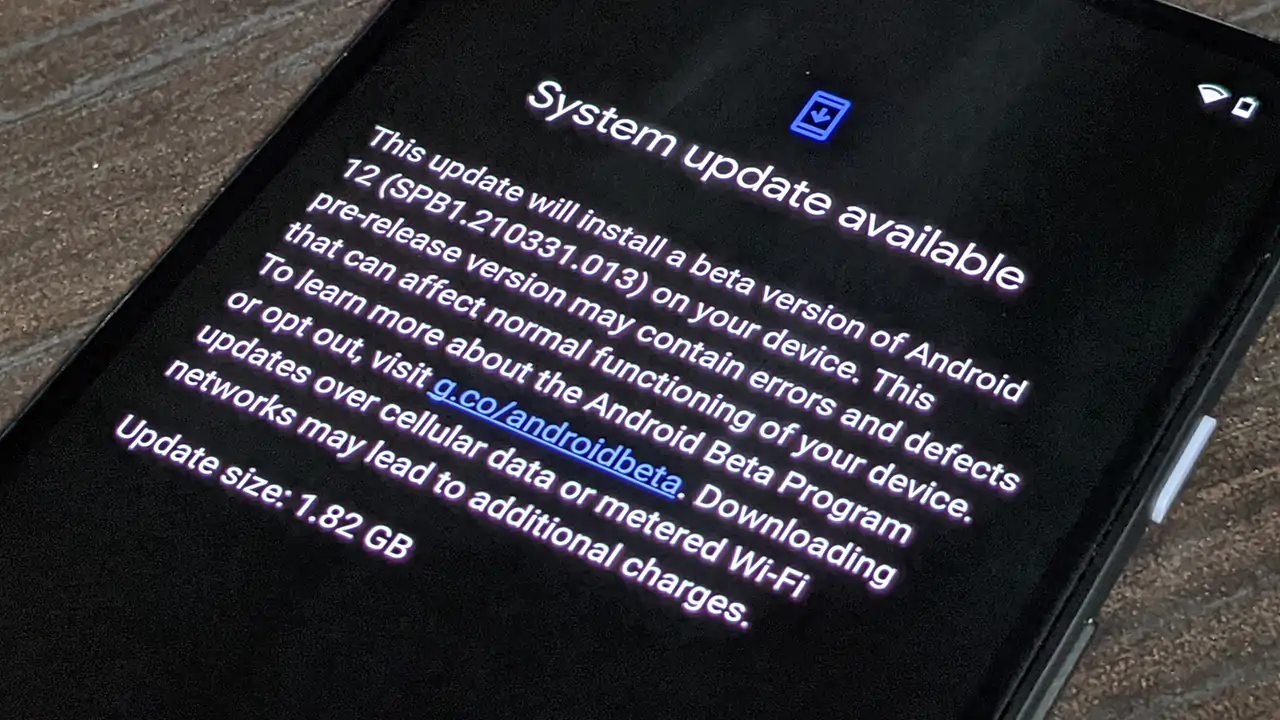
While Apple has more or less meet this criteria, Android phones do not.
Usually, manufacturers of Android phones offer two to three years of updates. They may add a couple of years beyond that for security patches, but only for their flagship devices.
Budgets devices don't have this luxury, and most Android phones being sold in the market, are not flagships.
Because of this, the German authorities want that if users want their devices to be fixed, their parts should be available easily and “at a reasonable price”.
The parts include displays and batteries. Other parts such as cameras, microphones, speakers and connectors rarely fail.
It's worth noting that Germany’s proposals go beyond the five years of update the European Union is proposing.
This initiative is part of Germany's attempt to introduce ecodesign rules, which is a reparability index for devices.
It is right to "increase the reliability and repairability of the devices," said a spokeswoman. This is because the production of the devices accounts for the majority of greenhouse gas emissions, and only part of the raw materials can be recovered when recycling.
At this time, DigitalEurope, a tech advocacy group with members like Samsung, Apple, and Google, is arguing for a three-year limit for security updates on devices.
Most manufacturers already adhere to this norm, while Samsung committed to providing four years of security updates to its devices this 2021.
DigitalEurope also argues that the requirements are too ambitious, especially when considering batteries. The group said that there is only a few suppliers that could deliver models that still have at least 80% capacity after 1,000 charging cycles. The association therefore proposes a transition phase with a requirement of only 800 cycles.
Samsung, one of the largest smartphone manufacturers, did not want to comment on the individual plans of the commission, but commented on the issue of sustainability in general, saying that the company is constantly working to enable a longer service life for smartphones.
"While the average initial usage time was around 21 months in 2015, we were able to increase this to an average of 29 months in 2020," said a Samsung spokeswoman.
Manufacturers are trying to defend themselves, simply because the smartphone industry is a profitable, but only for the big and powerful. As more and more devices are being launched, manufacturers want to commit to shorter support because by doing that, they could avoid spending too much resources on something that won't earn them significant amount of money.






















































































































































































































































































