For years, football fans on social media have jokingly labeled Mbappé "the dictator."
This is a satirical nickname born from rumors during his PSG tenure that he exerted immense authority over squad selections and management. Because of this, people on the internet have routinely placed Mbappé’s face onto various political figures.
But this time, the football superstar literally found himself at the center of a diplomatic fallout.
What began as a lighthearted reaction to a viral internet meme on a talk show has now evolved into a high-stakes standoff.
It is impacting Mbappé's endorsement contracts, domestic Chinese sponsors, international brands, national football organizations, state media outlets, and Real Madrid itself.
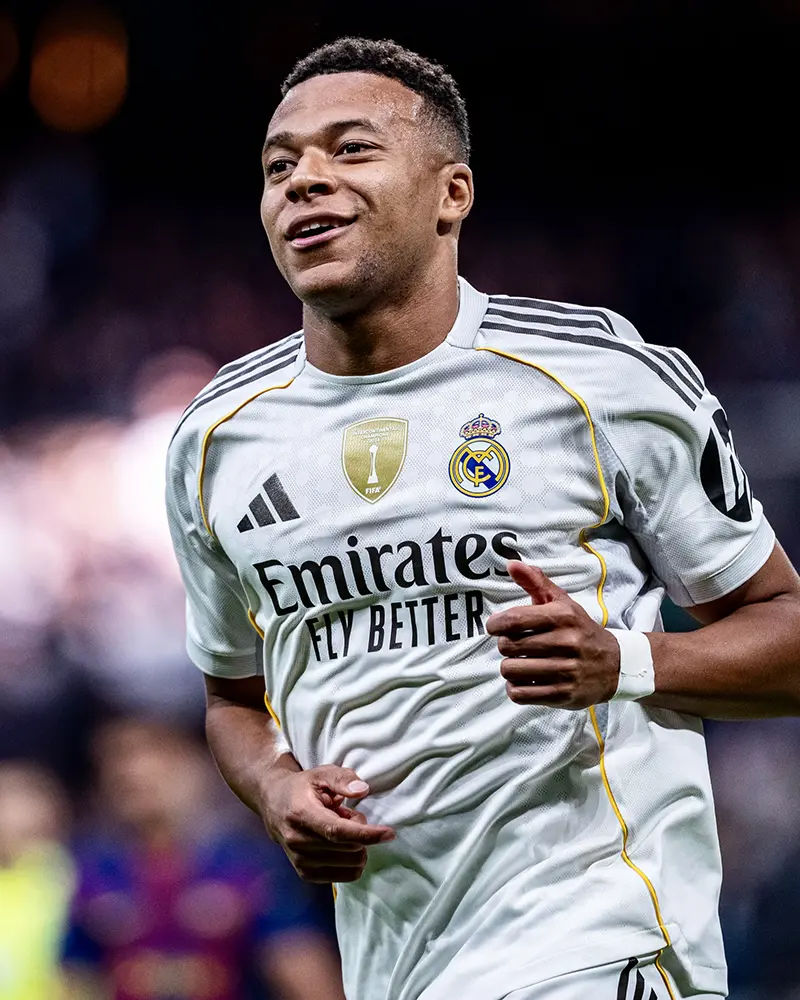
It all began when a video attributed to the French football talk show The Bridge circulated online.
In the clip, Mbappé discusses an internet meme depicting him with the face of Mao Zedong, the founding leader of the People's Republic of China. He apparently describes the figure in the image as "some guy, I think he's a Chinese dictator."
The reported quotation does not show him explicitly saying Mao's name, although the accompanying image appears to depict Mao with Mbappé's face superimposed on his body.
The show that published the clip subsequently apologized, and Mbappé issued his own apology. However, the central issue was not simply that Mbappé had been pictured alongside a controversial historical figure.
The controversy concerned more on how he appeared to discuss that image.
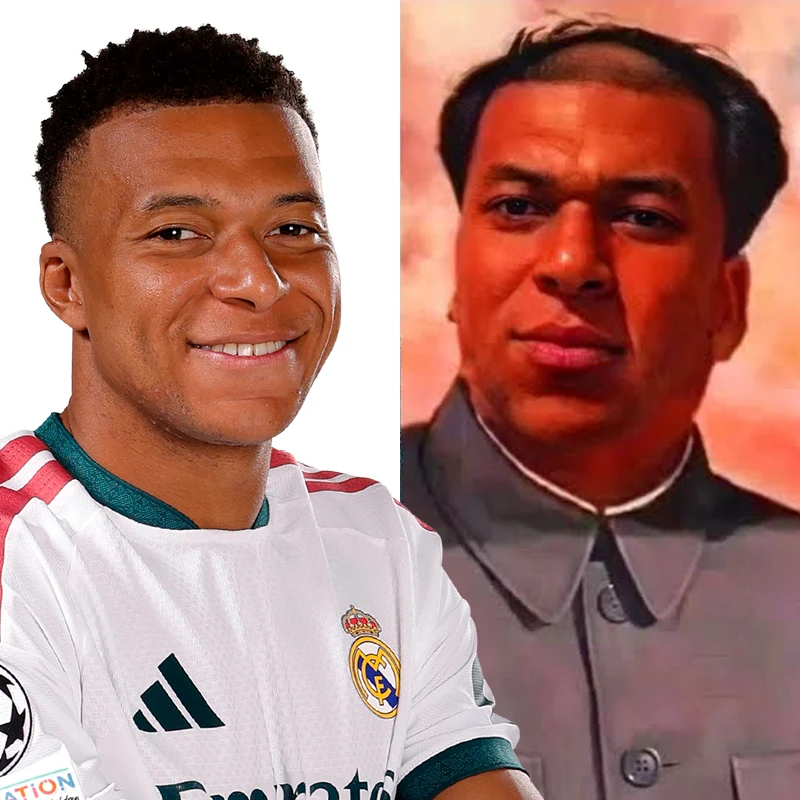
He described the figure as a Chinese dictator, and many Chinese commentators interpreted the remark as disrespectful toward Mao and, by extension, China.
A video someone made of a guy... I think he was a Chinese dictator.
Mbappé did not intend to insult Chinese people, express a political position on China, or show support for Mao's ideology. His later apology acknowledged that his words had caused offence while maintaining that causing such offence had not been his intention.
Understanding the reaction requires understanding Mao Zedong's place in Chinese history.
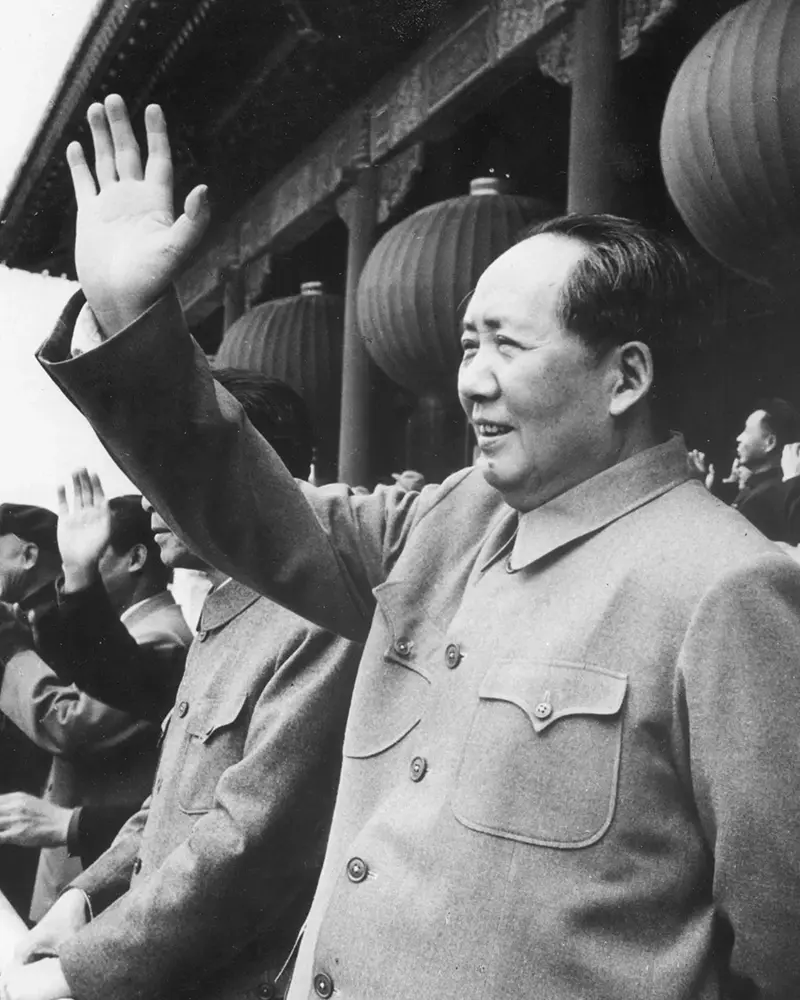
Mao Zedong led the Chinese Communist Revolution and became the founding leader of the People's Republic of China in 1949.
He remained the country's dominant political figure until his death in 1976. His image and legacy remain closely associated with the establishment of modern China, the history of the Chinese Communist Party, and national sovereignty.
Mao's historical legacy, however, is also inseparable from policies and political campaigns that caused immense suffering.
One of the most devastating events associated with Mao was the Great Leap Forward, launched in 1958. The campaign attempted to accelerate China's industrial and agricultural transformation through measures that included collectivization and ambitious production targets. The policies and other contributing factors helped produce a catastrophic famine between 1959 and 1961. Estimates vary, but historians widely recognize that tens of millions of people died during the famine. The scale of this disaster is central to international assessments of Mao's leadership and helps explain why he is frequently described as a dictator outside China.
Another major episode was the Cultural Revolution, which Mao initiated in 1966. The campaign triggered political persecution, violence, and widespread social upheaval. Officials, intellectuals, teachers, and ordinary citizens were accused of opposing the revolution, and many suffered imprisonment, abuse, or death. Cultural institutions and education were severely disrupted. Estimates of the death toll vary, and the UK National Archives' educational account gives a range of approximately 500,000 to two million deaths. Mao's historical role therefore remains deeply contested, even though his status as a foundational figure in modern Chinese history continues to be officially recognized.
The Chinese Communist Party's 1981 historical resolution acknowledged serious mistakes during Mao's leadership, particularly during the Cultural Revolution, while maintaining that his historical contributions outweighed his errors.
That position reflects a complicated relationship between Mao's legacy and the official history of the modern Chinese state.
A joke involving Mao can consequently be interpreted in China as more than a joke about an individual.
Some people may regard it as an attack on a symbol of the nation's founding and history. That helps explain the intensity of the reaction, although it does not mean every Chinese citizen agreed with the backlash or understood the incident in the same way.
The Mao meme also emerged from an existing pattern of internet jokes about Mbappé's perceived influence in football.
In 2022, when Mbappé renewed his contract with Paris Saint-Germain, fans and commentators circulated jokes portraying him as a figure who could influence the club's decisions about transfers, managers, teammates, and its overall direction.
These memes exaggerated the idea that one player held extraordinary power. They were satirical depictions of his status in football, not evidence that he literally possessed all the powers attributed to him in the jokes.
Some of the memes compared Mbappé with Mobutu Sese Seko, the former ruler of Zaire, now the Democratic Republic of the Congo. Another relevant detail is that Mbappé had already discussed dictator memes before the October controversy.
In a September 2026 interview with French sports media, he reportedly acknowledged that some of the memes were funny because they were clearly intended as jokes. At the same time, he expressed discomfort with comparisons to historical figures responsible for mass suffering and killings.
This earlier discussion provides context for the Mao incident. It indicates that the format was already familiar to him, but it does not establish that he admired Mao or endorsed the historical actions associated with him.
The commercial consequences became clear on Tuesday, October 27.
Three Chinese companies, Dongpeng Beverage, Mengniu, and Shanghai Milkground Food Tech, announced that they were ending their commercial relationships with Mbappé.
Dongpeng Beverage, known for its drinks and energy products, had made him an ambassador for its Bushuila electrolyte drink in April 2026 ahead of the World Cup. The company said it had a zero-tolerance policy toward conduct that harmed national sentiment.
Mengniu, one of China's largest dairy producers, also ended its cooperation with him. His promotional work for the company included advertising related to the Miaoke Landuo children's cheese-stick brand.
Shanghai Milkground Food Tech, a Chinese dairy and cheese products company, also announced the termination of its relationship with the footballer.
The financial impact has been discussed in the press, but an exact loss has not been established.
Reports suggest that Mbappé's contracts with two of the brands were worth approximately 50 million yuan, equivalent to about €6.7 million. That estimate refers to the reported value of contracts, not a verified calculation of money he has already lost. Contract duration, payment schedules, cancellation clauses, and possible outstanding fees could affect the actual financial consequences.
It would therefore be inaccurate to present €6.7 million as a confirmed amount that Mbappé has definitively lost.
There were also reports that Mbappé-related promotional content disappeared from some other brands' Chinese social media accounts. However, deleting or removing promotional posts does not necessarily mean that a sponsorship has been terminated. The reporting reviewed did not establish that every one of his international sponsors had dropped him.
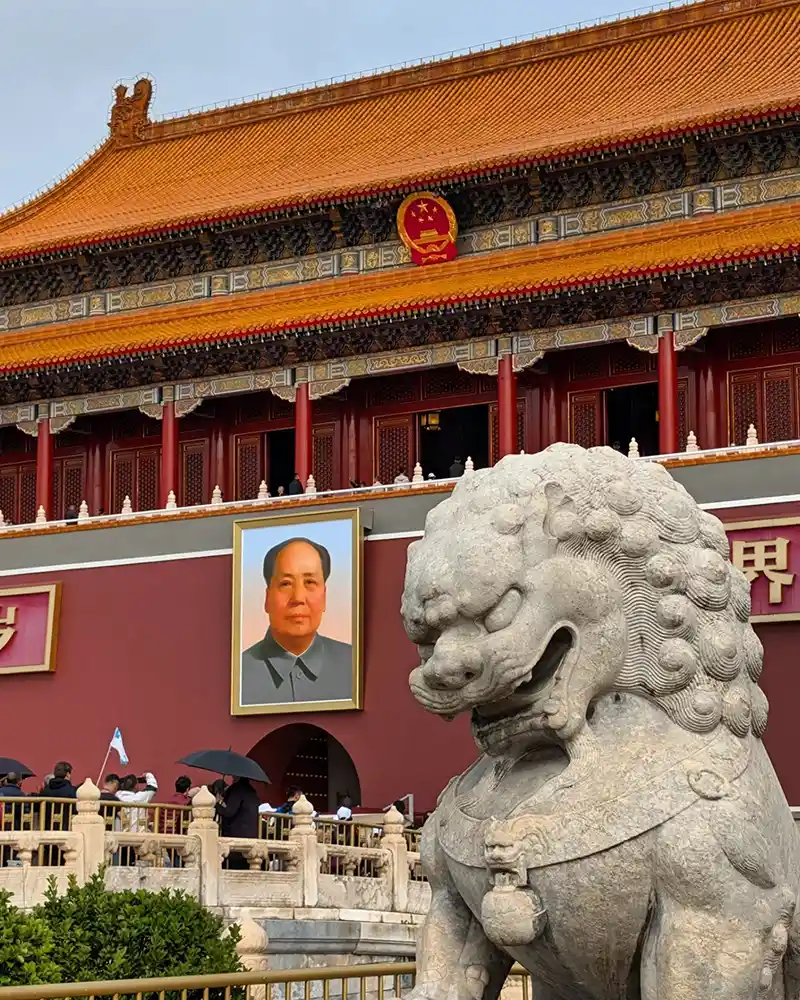
The Chinese Football Association also responded.
On October 27, it said it had lodged a strong protest with Real Madrid and demanded a formal public apology from both Mbappé and the club. The association's stated concern was that the remarks had offended Chinese people and hurt their feelings.
This was an institutional demand for an apology, not evidence that Mbappé had been convicted of any offence. The distinction matters because the controversy has often been described informally as a "case," even though the reporting reviewed describes a political, media, and commercial dispute rather than a criminal prosecution.
China Media Group, the organization overseeing major state broadcasting operations, announced that it was suspending broadcasts of Spanish league matches and other games involving Mbappé.
It demanded apologies from Mbappé, Real Madrid, and La Liga.
These announcements raised the possibility of a broader commercial problem for Spanish football in China.
This fallout also ignited a massive discussion around free speech and political expression in international sports. Critics and international observers pointed out the friction between Western values of free speech where public figures, comedians, and citizens routinely satirize political leaders without state or corporate retribution, and China's strict political environment where criticizing foundational state figures is unacceptable.
Western commentators argued that penalizing an athlete for off-hand, casual humor infringes on free expression, whereas Chinese public sentiment viewed the statement as a line crossed into political disrespect.
This highlights how global celebrities must navigate competing worldviews regarding speech, satire, and corporate accountability.
In his apology, published in French, Mandarin, and English, Mbappé described his comment as "ill-judged."
During a recent interview, I reacted to an image of myself.
My comment was ill-judged, and I now understand that it hurt many people in China and in Chinese communities around the world.
I apologise to everyone my words have upset. This was absolutely not my intention. I have deep respect for the Chinese people and their history, and I am sincerely sorry.
The apology acknowledged the impact of his words without claiming that he had intended to cause harm. It also did not amount to an admission of a criminal offence or a declaration of political allegiance.
It was an apology addressing the reaction to his comments and the resulting controversy.
The show that published the video, The Bridge, also issued an apology on October 28.
It expressed regret to people who had been offended, as well as to Mbappé, his commercial partners, and institutions whose relationships with China might have been affected. The show's apology was significant because the controversy developed out of an entertainment interview that circulated widely outside its original context. Nonetheless, the show’s apology does not settle questions about how every audience interpreted the remarks, nor does it undo the commercial decisions already announced.
Real Madrid issued a separate apology on October 28.
The club expressed regret to the Chinese people for any discomfort caused by Mbappé's words and stressed its respect for China, its history, and its culture, as well as its Chinese supporters. It explicitly joined the apology already issued by Mbappé. The club had strong reasons to respond because its reputation and commercial relationships could be affected even though the remarks were made in a personal setting.
China's Foreign Ministry said that it took Mbappé's apology seriously.
Meanwhile, the Chinese public response was not necessarily unanimous. Some social media users condemned the remarks and demanded boycotts, while the sponsorship cancellations became trending subjects. Yet reports suggest that some people knew about the commercial consequences without knowing exactly what Mbappé had said.
Some sided with China, others with Mbappé.
In conclusion, Mbappé is an international superstar. On the field, he is both adored by his team and feared by others. He has millions of fans, and billions have heard his name. His reach and influence are what make this very controversial.
Mbappé is not a diplomat, or anyone whose words act on behalf of the government or under direct government instructions. Regardless, the Mbappé and Mao Zedong incident became a major cultural and commercial controversy.






















































































































































































































































































