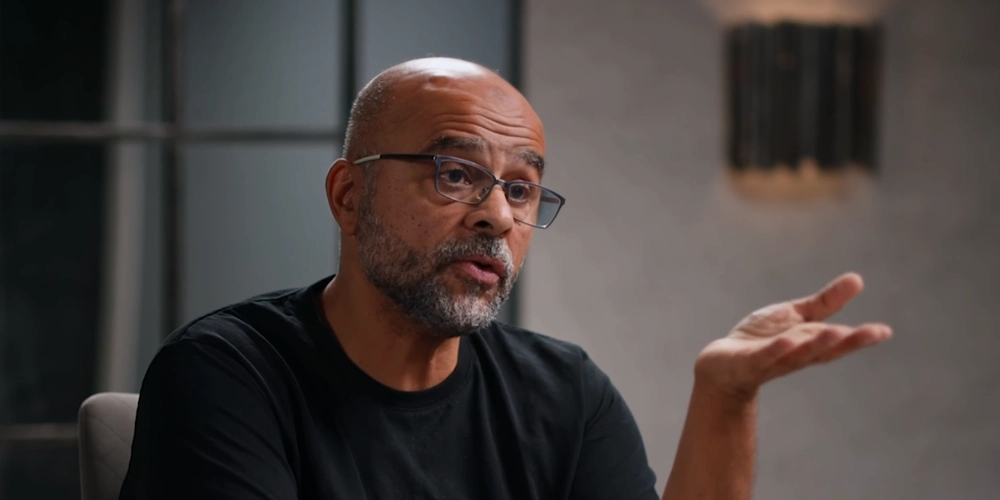
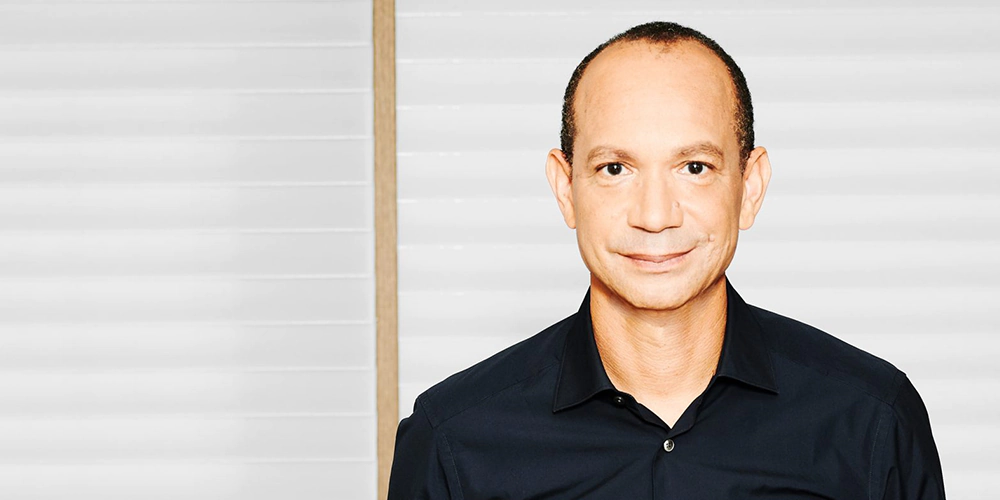
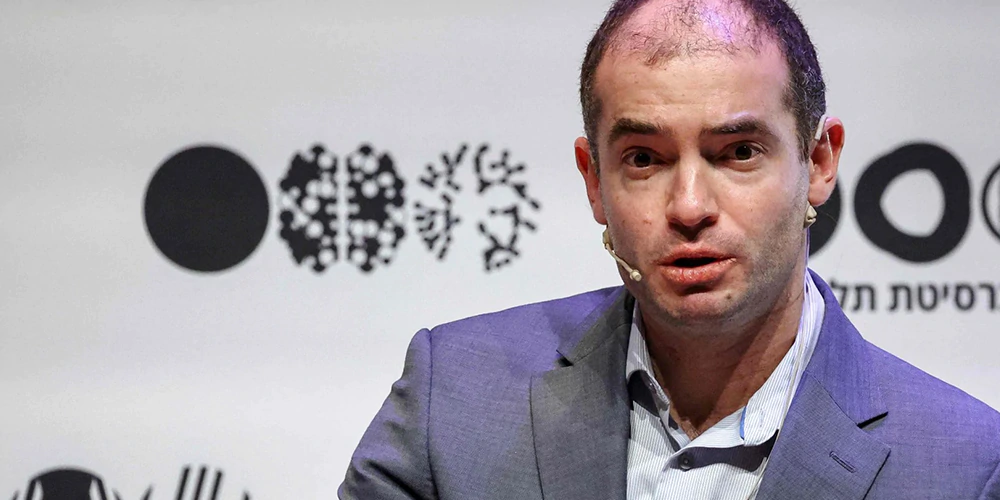
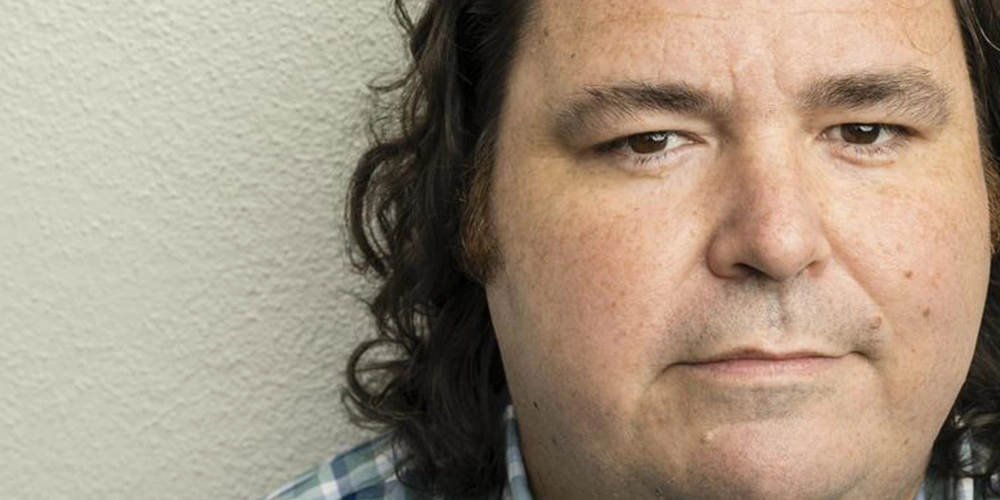
Yasser Elabd, was a former Microsoft manager, working for the tech company between 1998 and 2018.
Due to his role, he had access and also oversight into a Microsoft's "business investment fund" which was meant to "cement longer-term deals" in the Middle East and Africa.
He was fired by his employer after he alerted the company's executives about a workspace, where employees, subcontractors and government operators are regularly engaged in bribery.
What he did, was trying to uncover the truth.
But as a result of this attempt, his employer fired him.
Elabd's employer retaliated and terminated Elabd's role in the company.
In return, Eladb became a whistleblower.
It all began when Yasser Elabd grew suspicious of his colleagues.
" [...] I noticed something strange: many employees younger than me, in lower positions, were driving luxury cars and purchasing homes sometimes worth millions of dollars. For my part, I could not afford to buy a home, let alone anything else luxurious, despite my career success," he said in an essay published by the whistleblower platform Lioness.
"I wondered, naively, whether these colleagues had families with money—but if so, why would they be working on a Microsoft sales team?"
Then one day, he saw unusual payment requests to seemingly unqualified partners.
The amount was $40,000 to accelerate closing a deal in one African country.
"When I looked through the submission, I immediately knew something was wrong. The customer did not appear in Microsoft’s internal database of potential clients," he said.
Curious, he started examining several independent audits, and found something he believes is a common practice. And that is when Microsoft set up a large sale to entities in the region, to then give a "discount." But the discounted fee would then be divided between the decision makers.
"This decision maker on the customer side would send an email to Microsoft requesting a discount, which would be granted, but the end customer would pay the full fee anyway. The amount of the discount would then be distributed among the parties in cahoots: the Microsoft employee(s) involved in the scheme, the partner, and the decision maker at the purchasing entity—often a government official."
Elabd, who worked as the Director of Emerging Markets for the Middle East and Africa, didn't like what he saw.
Elabd tried to explain this to his employer, in order for his senior management and the legal and HR teams to put a stop to the bribe.
But to his surprise, they "did not look deeper into the Microsoft employees who were orchestrating the fake deal."
Elabd said he is not the only person at Microsoft who knew about this corrupt practices.
"I know of five others from various departments who were terminated or pushed to resign for raising flags about inconsistencies in finances," he alleged.
"In my estimation, a minimum of $200 million each year goes to Microsoft employees, partners, and government employees," said Elabd.
The former Microsoft manager gave several examples of the transactions he found suspicious. For example, he found Microsoft gave the Saudi Ministry of the Interior a $13.6 million discount. which was never received by the agency. Then, there was a time when a Nigerian official complained that the government paid $5.5 million for licenses "for hardware they did not possess."
In another example, he found that the Qatar’s Ministry of Education paid $9.5 million, over a period of seven years, for Microsoft Office and Windows licenses that went unused.
Elabd found that employees at that agency didn’t even have access to computers.
"They never took any legal action against these employees, even while they know they are stealing the company’s money and the governments’ money,” Elabd said.. "The hidden message to employees is ‘do whatever you want, make as much money as you can, and the worst that can happen is you’ll get fired.>'
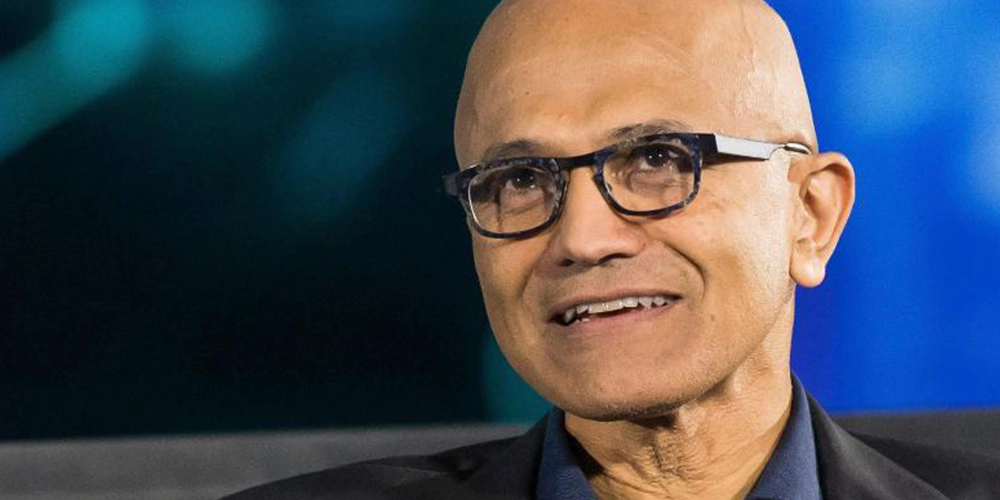
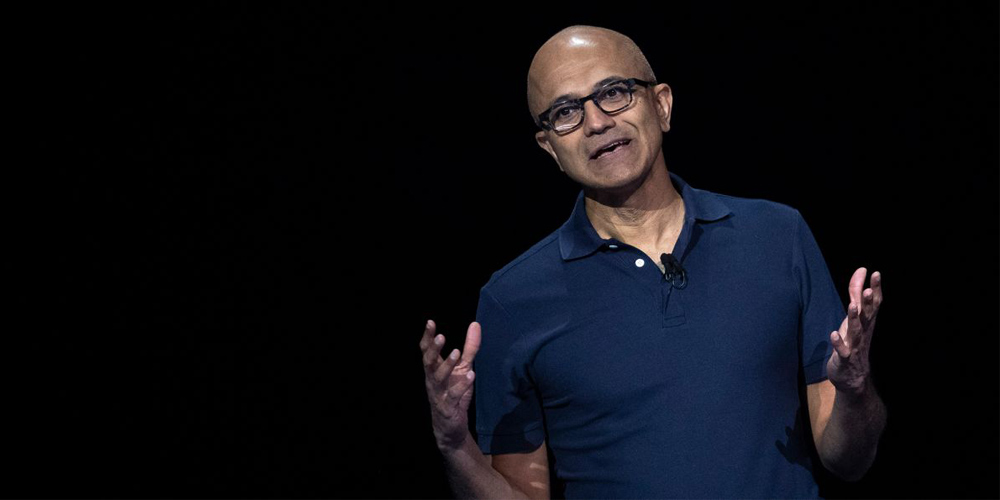
Because his employer didn't respond the way he wished they would respond, in his last attempt, Elabd wrote an email to Microsoft CEO Satya Nadella and an HR executive, and also a vice president of the company.
But immediately, he received a warning that said that "by escalating the matter to Nadella, I had just 'booked a one-way ticket out of Microsoft.'"
Eventually, he was suspended from his job, despite he was one of the highest performers on the team.
Elabd also brought his documentation before the Securities and Exchange Commission and Department of Justice. But things were unfortunate for him.
"As I alleged in my complaint to the SEC, Microsoft is violating the Foreign Corrupt Practices Act, and continues to do so brazenly. And why wouldn’t they?" wrote Elabd. "By declining to investigate these allegations and the evidence I’ve given them, the SEC and DOJ have given Microsoft the green light."
Elabd said that the Department of Justice refused to process the case, and the SEC dropped the case due to a lack of resources.
Because of this, Elabd became a whistleblower, in an attempt to tell the public what he knew of Microsoft.
After hearing the allegation, Microsoft said that it has already probed the allegations and fired several employees as a result.
Employees were fired and partnerships were ended as part of the response to the original allegations, the company said.
"We are committed to doing business in a responsible way," said Becky Lenaburg, a VP at Microsoft and deputy general counsel for compliance and ethics.
Microsoft said that the company is committed to doing business in a responsible way and "always encourages anyone to report anything they see that may violate the law, our policies, or our ethical standards."
"We believe we've previously investigated these allegations, which are many years old, and addressed them. We cooperated with government agencies to resolve any concerns," said Lenaburg.
"We are committed to doing business in a responsible way and always encourage anyone to report anything they see that may violate the law, our policies, or our ethical standards," Lenaburg continued.
"We believe we’ve previously investigated these allegations, which are many years old, and addressed them. We cooperated with government agencies to resolve any concerns."
This kind of corporate bribery is a widespread problem in businesses of many forms and sizes.
While the World Economic Forum estimates that more than $1 trillion is lost to bribes globally each year, it’s difficult to estimate the amount used in bribes in cases like Elabd, because it involved international companies paying off local decision-makers to secure their business.
Usually, the cost is typically borne by the country’s taxpayers, and diverted to the bureaucrats and subcontractors instead of the people it’s meant to help.
Elabd’s experience at Microsoft made him think the company had given up fighting it, and would rather cover it up and let it be.
"It’s going on at all levels," he said in an interview. "All the executives are aware of it, and they’re promoting the bad people. If you’re doing the right thing, they won’t promote you."
"I don’t want you to be a blocker," Elabd said, recalling what he managed told him. If he uncovered anything suspicious, the manager said, "You have to turn your head and leave it as is."