For more than two decades, Raffi Ahmad has occupied an unmatched throne in Indonesian entertainment, transitioning from a boyish soap opera heartthrob into the nation's ultimate multimedia mogul through sheer, relentless hustle.
Starting out on morning variety shows and teenage dramas, Raffi mastered the formula of perpetual visibility, working punishing schedules that he famously branded as proof of unyielding work ethic.
His trajectory shifted into high gear when he married actress and entrepreneur Nagita Slavina, with whom he built RANS Entertainment.
What began as a modest YouTube channel to chronicle family life quickly evolved into a massive digital media titan.
Now, people are trying to cancel him. It is not the first time, but it is the biggest attempt to date.

Together, Raffi and Nagita transformed their daily milestones, personal brand, and content creation into a sprawling commercial empire and multi-sector conglomerate.
Expanding far beyond social media, Raffi aggressively diversified into professional sports by acquiring football club RANS Nusantara FC (formerly RANS Cilegon FC) and launching the RANS PIK Basketball team, while also building a vast portfolio spanning lifestyle brands, music labels, animation, and culinary ventures.
This relentless drive elevated the couple into the ultimate symbol of modern Indonesian self-made wealth.
This milestone cemented Raffi not just as a cultural icon, but as a corporate titan steering a multi-billion-rupiah enterprise.
However, this corporate expansion also tethered public sentiment directly to shareholder value.
For years, the public forgave or overlooked minor controversies, viewing Raffi through the lens of a hardworking entertainer who earned his fortune.
Yet, the atmosphere shifted fundamentally when his ambitions stretched beyond the screen and into the corridors of state power, highlighted by his official appointment as a Special Presidential Envoy.
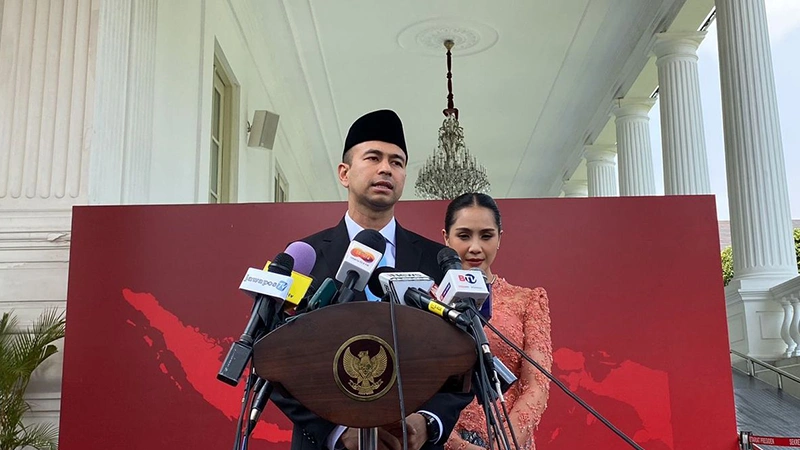
This formal alignment with political elites proved to be a delicate tightrope in a socio-political climate already tense with economic anxiety and public scrutiny over privilege.
What many fans once saw as harmless networking began to look like political co-optation.
The boiling point arrived following his public appearance at a high-profile youth declaration event in Jakarta, which immediately ignited severe digital backlash.
Allegations circulated online claiming that participants were mobilized and paid to attend under the guise of grassroots student support, turning an optics-driven event into a public relations disaster that catalyzed an immediate wave of cancel culture across social media platforms.
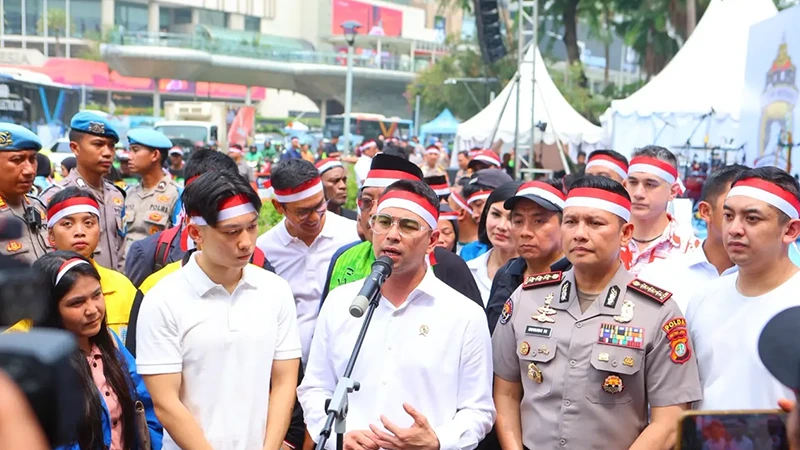
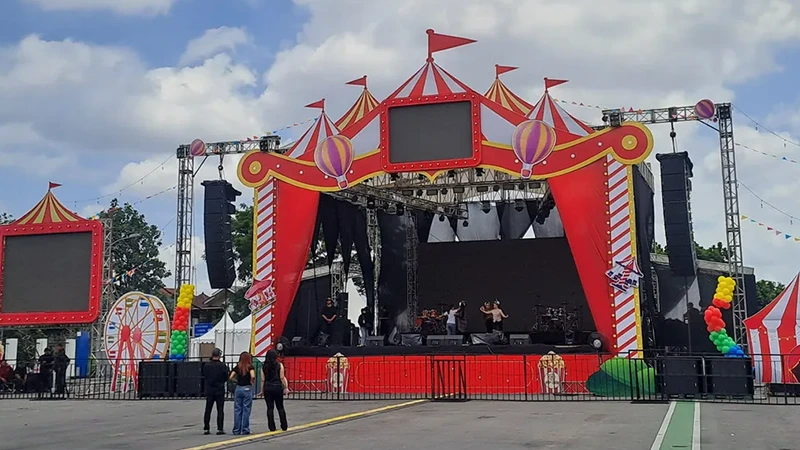
The digital fury quickly crossed the line from online condemnation to tangible offline boycotts, most visibly echoing through regional cultural hubs like Yogyakarta.
Planned festival appearances and multi-day carnival events tied to his brand faced sudden withdrawals from prominent local musical acts, indie bands, and thousands of micro, small, and medium enterprise (MSME) food vendors who chose to pull their booths rather than face association with the unfolding controversy.
The message from the ground was sharp and unmistakable: cultural capital and regional goodwill cannot be taken for granted when public figures align too closely with contested political agendas.
This wave of public alienation rapidly bled into the financial markets, directly penalizing his business empire.
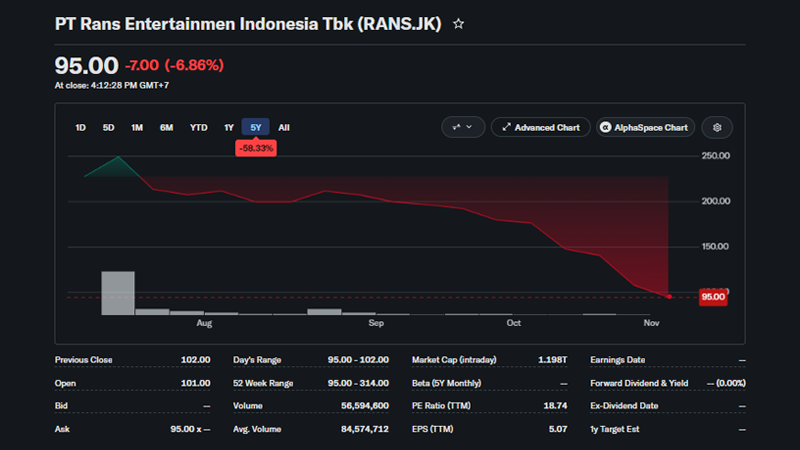
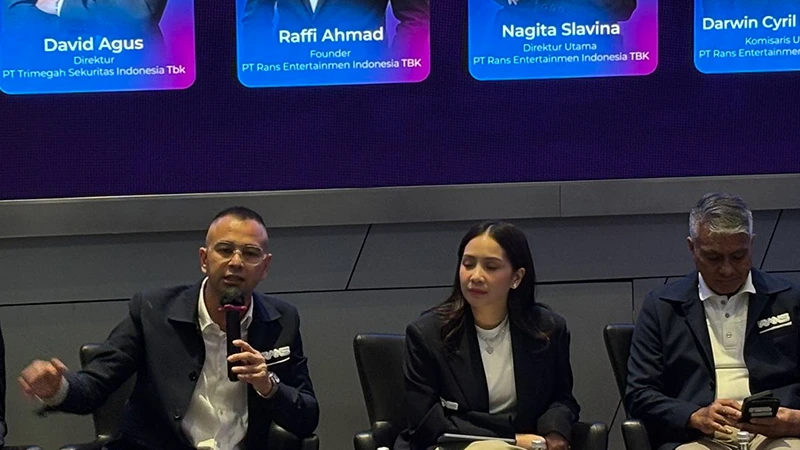
Amid mounting calls for boycotts and sharp digital erosion, including the loss of hundreds of thousands of social media followers within days, shares of PT Rans Entertainment Indonesia Tbk (RANS) plunged on the Indonesia Stock Exchange.
Breaking below the psychological threshold of Rp100 per share down to historic lows around the Rp96 to Rp97 range, the stock rout delivered a brutal lesson on the fragility of creator-led public companies.
When the personal brand of a founder becomes politically polarized, retail investor panic and shifting market sentiment can swiftly vaporize corporate market capitalization.
Beyond the plunging share prices and canceled event grounds, the crisis has acted as a stress test for Indonesia's entire influencer and celebrity ecosystem, cleaving the community into starkly opposing factions.
One camp, composed of inner-circle associates, family allies, and longtime industry peers, has rallied fiercely to Raffi's defense.
Key figures like Desta, Celine Evangelista, Charly Van Houten, and close collaborator Willie Salim have publicly shielded him, framing the backlash as a disproportionate, mob-driven campaign designed to tear down a self-made titan who built an empire that directly employs thousands across the creative industry. His own household staff and team, including the couple's caregiver and Raffi's longtime personal assistant, stepped up to voice staunch support.
Celebrity Sarah Sechan feels something was off. She poked at Raffi's explanation that he was just invited and didn't know the event details. Even though at the event, according to Sarah, Raffi looked like the spokesperson.
Conversely, a vocal and expanding bloc of independent musicians, content creators, cultural commentators, and activists has thrown their weight behind the boycott movement. Most tellingly, this wave of opposition includes figures whose own public profiles and digital careers were once dramatically boosted by Raffi's influence and massive ecosystem.
They explicitly called out critics for backstabbing and failing to stand by a benefactor during a public relations downturn.
Rizky Inggar, an artist, has launched a sharp critique against Raffi Ahmad regarding his presence as a guest invitee at the Youth Pledge event . According to him, Raffi is indeed allowed to apologize, but the spotlight is on him because Raffi is a special staff member to the president, so he bears full responsibility for not setting a hoax example for the public.
High-profile creator Jerome Polin, for example, found himself at the center of a heated online firestorm after joining the wave of criticism and unfollowing Raffi on social media.
The move sparked intense friction when Raffi's team and fans dredged up 2018 podcast footage, where Jerome credited a Japan trip with Raffi as a major turning point that skyrocketed his initial follower count. Many began labeling him as ungrateful (kacang lupa kulit).
In response, Jerome defended his stance by emphasizing that core integrity and public principles cannot be bought by past favors.
Other prominent figures like Fadil Jaidi and Luna Maya similarly faced scrutiny from Raffi's inner circle after interacting with or reshared critique posts, drawing sharp rebukes about friends deserting a mentor when public sentiment turns hostile.
Alongside independent commentary from figures like Dr. Tirta, these creators argue that influencers commanding tens of millions of followers carry a profound civic responsibility and cannot insulate themselves from public accountability when mixing celebrity clout with state power.
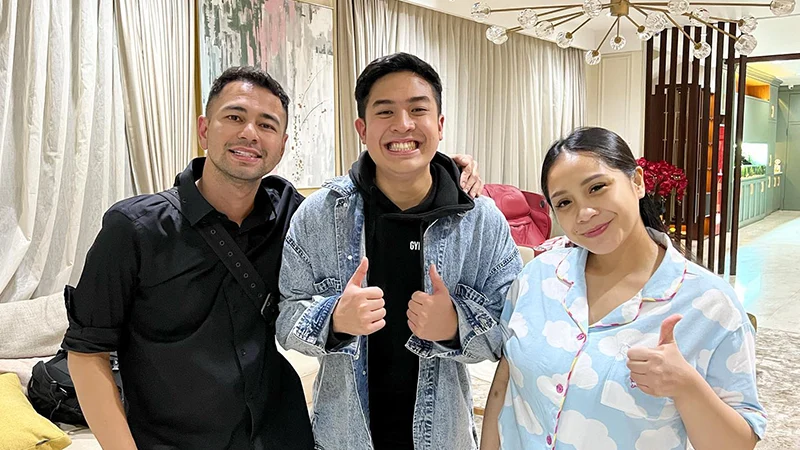
This deep ideological split marks a watershed moment in Indonesian pop culture.
It signals that the era of unquestioned celebrity worship is giving way to a more critical, politically awakened public where even past mentorship cannot buy lifelong immunity, and neutrality is no longer a viable option.
Ultimately, the boycott of the RANS Carnival in Yogyakarta, the historical slide of PT Rans Entertainment Indonesia Tbk stock, and the fierce influencer civil war highlight the double-edged sword of Raffi Ahmad and Nagita Slavina's colossal popularity.
For years, creators built massive fortunes under the assumption that millions of followers could be monetized indefinitely without civic accountability.
But as economic pressures mount and public scrutiny over political privilege peaks, the line between harmless entertainment and political endorsement has permanently dissolved.
Audiences are no longer passive consumers; they are active stakeholders demanding public trust.
For Raffi and the broader influencer class, this crisis serves as a stark warning about expanding a media enterprise into state affairs.
When a creator's personal brand acts as the primary valuation engine for a publicly traded company, political backlash translates directly into financial collateral damage. Indonesia's digital landscape is massive, with over 230 million people connected online.
In an ecosystem of that scale, public attention is a volatile currency. Clout no longer guarantees immunity, past favors cannot buy silence, and standing at the intersection of media wealth and state power now carries a costly toll.
Following the backlash, Raffi posted his official video clarification and apology statement directly on his official Instagram handle (his official account as Special Presidential Envoy for Youth Development and Art Workers).
























































































































































































































































































