Apple has traditionally used customized components for its hardware. But for the rest, like its iPhones' modems, the company never build one on its own.
This is seen as a drawback when it comes to design, profitability, and control. While some manufacturers use chips that combine the modem and main processor, in Apple products, the processor and modem have been separate components.
That adds both bulk and expense to existing Apple phones.
And when faced with bring 5G on its mobile devices, Apple had four options:
Settle with Qualcomm, and get the 5G by 2020; partner with Intel, but wait for its technology to catch up; use Huawei's 5G technology, but may experience tough sells; or make its own 5G chips, but could take several years to complete.
Apple chooses none.
After it settled with Qualcomm, and agreed to use Qualcomm's modems for the next six years, with an option to extend the relationship another two, Apple laid the groundwork for a long-term plan to develop its own modems.
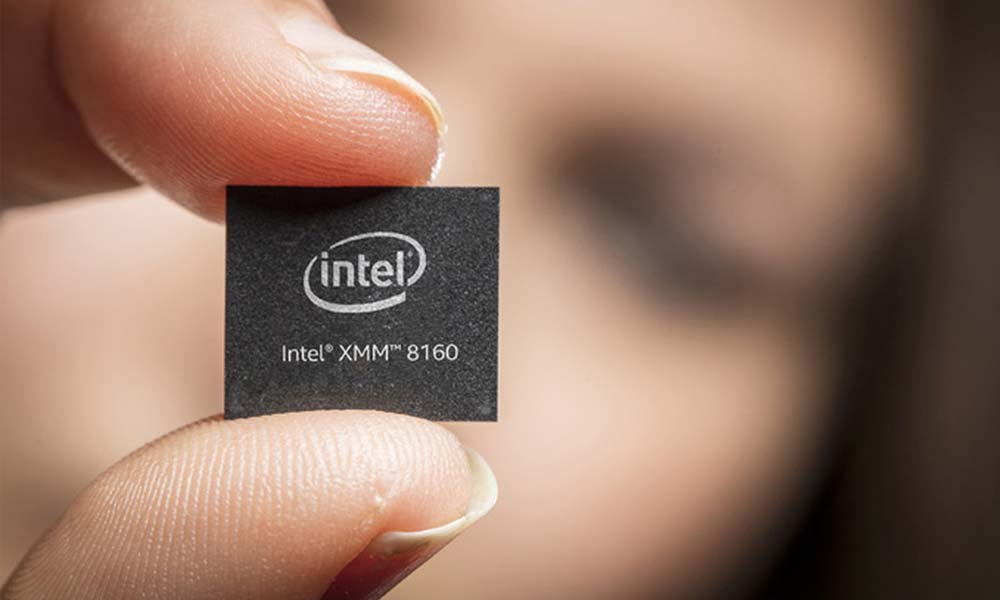
To do that, Apple acquires Intel’s modem business for $1 billion, which includes Intel IP, equipment, leases, and 2,000 employees. This gives Apple up to eight years to develop what Intel was struggling.
According to Intel CEO Bob Swan:
"We have long respected Apple and we’re confident they provide the right environment for this talented team and these important assets moving forward. We’re looking forward to putting our full effort into 5G where it most closely aligns with the needs of our global customer base, including network operators, telecommunications equipment manufacturers and cloud service providers."
Apple doesn't typically make big acquisitions. But its acquisition of Intel's modem business is an exception.
With this acquisition, Apple is in position to develop its own modem, and at the same time, capable of reducing its dependence on third-party suppliers for a critical component of the iPhone, while potentially increasing profits on the sale of each device by reducing component costs.
It’s no secret Apple has been interested in developing its own modems for the iPhone, and buying the whole business from Intel should put Apple in good position when its deal with Qualcomm runs out
The move is in line with CEO Tim Cook that wants to reduce third-party components in Apple products whenever possible, and wherever it makes sense to do so. Cook once said that: “We believe that we need to own and control the primary technologies behind the products that we make, and participate only in markets where we can make a significant contribution."
According to Apple SVP Johny Srouji in a press release:
"They, together with our significant acquisition of innovative IP, will help expedite our development on future products and allow Apple to further differentiate moving forward."






















































































































































































































































































