It has only been months that the novel coronavirus first appeared in Wuhan, before forcing many countries around world to close their doors in fear.
But that didn't stop hackers from doing what they do best: hacking.
In the midst of the COVID-19 pandemic, hackers are all out to piggyback the trend, and craft their own malicious campaigns to target those unsuspecting people who fear the coronavirus.
After several security researchers noted a spike in the number of coronavirus-related domains, cybercriminals are registering thousands of coronavirus-related websites on a daily basis, with attacks growing in conjunction with the contagious disease's spread.
Most of these sites are being used to host phishing attacks, distribute malware-laced files, or for financial fraud, for tricking users into paying for fake COVID-19 cures, supplements, or vaccines.
After attempting to impersonate WHO to spread malware via email and creating a malicious coronavirus map, things go from bad to worse.
Coronavirus email scam campaigns started making their presence felt online in early February.
From tens a day in that month, the number has increased to thousands of new domains per day, as of March, which contain terms like coronavirus, covid, pandemic, virus, or vaccine.
A security researcher who goes online by the name of 'DustyFresh' tracked some of these domains, and found that hackers have created more than 3,600 new domains between March 14 and March 18, that contain only the "coronavirus" term. If the researcher extends the scan to include other terms like covid, pandemic, virus, or vaccine, the results are even bigger.
Threat intelligence firm RiskIQ saw more than 13,500 suspicious domains on March 15; more than 35,000 domains the next day; and more than 17,000 domains the day after that.
Hackers are regularly using coronavirus-related mass emails to trick users into downloading certain malware. The trend of this COVID-19 is so massive that even state-sponsored hacking groups are jumping into the bandwagon, by adopting similar methods.
Not only PC users are at risk, because the malicious campaigns also target mobile users.
This trend of attacks have become so common and obvious, that the UK's National Cyber Security Center (NCSC) felt obliged to send out a security alert on Monday about the rise in coronavirus-related email phishing campaigns.
According to NSCS in its website post:
"Experts from the National Cyber Security Centre have revealed a range of attacks being perpetrated online as cyber criminals seek to exploit COVID-19."
"Techniques seen since the start of the year include bogus emails with links claiming to have important updates, which once clicked on lead to devices being infected."
"These ‘phishing’ attempts have been seen in several countries and can lead to loss of money and sensitive data."
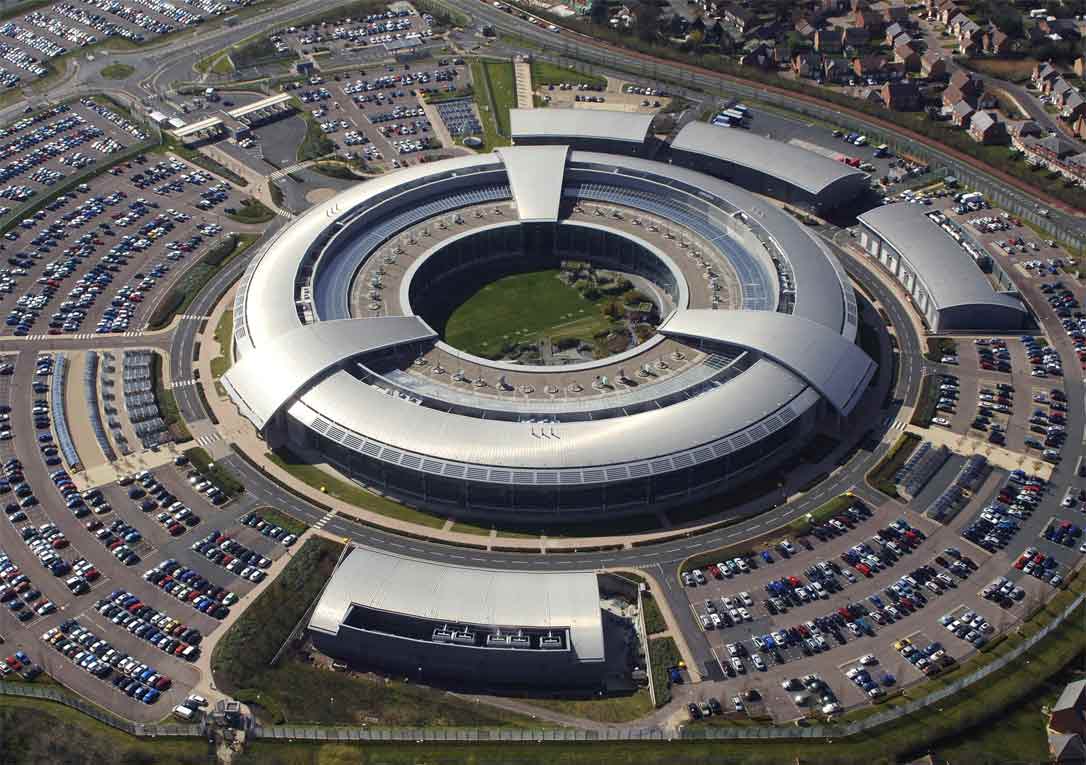
NCSC that is a part of GCHQ. was created to keep the UK citizens safe where they are online. But as the coronavirus-related attacks escalate, it is urging all businesses and the public to consult its online guidance, including how to spot and deal with suspicious emails as well as mitigate and defend against malware and ransomware.
For its part, NSCS has also taken measures to automatically discover and remove malicious sites which serve phishing and malware.
Paul Chichester, Director of Operations at the NCSC, said:
"Our advice to the public is to follow our guidance, which includes everything from password advice to spotting suspect emails."






















































































































































































































































































