In the early 2000s, the internet was still discovering what online social interaction could become. Long before algorithmic feeds, short-form video, and engagement metrics dominated social platforms, websites experimented with new ways for people to connect, express themselves, and build communities.
Two of the most influential pioneers were Friendster and MySpace.
Launched just a year apart, they helped define the first generation of social networking.
Both grew at extraordinary speed, both struggled to keep pace with their own success, and both eventually lost ground to newer competitors. Their rise and decline shaped the social internet that followed, making their histories relevant again as discussion of a MySpace revival gathers momentum.
The renewed attention comes from the 2026 documentary Myspace, directed by Tommy Avallone.
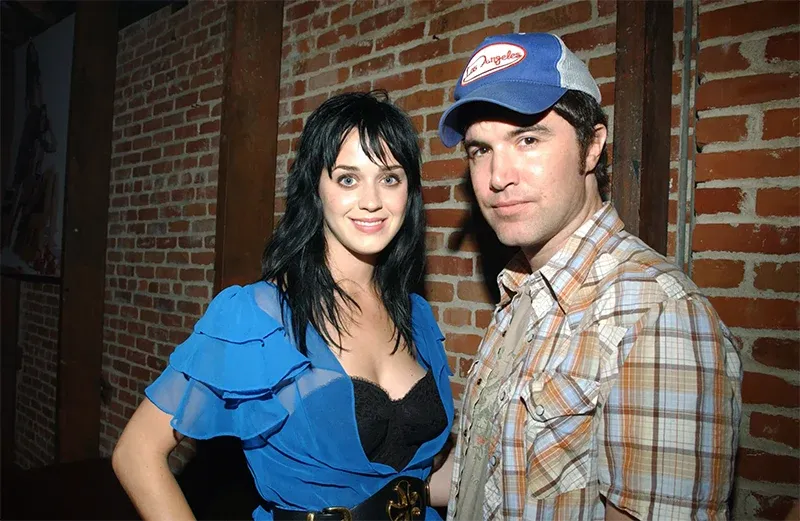
In the film, current owners Chris and Tim Vanderhook describe themselves as stewards of the MySpace brand and say they intend to relaunch the platform when the timing feels right.
They add that if one attempt fails, they will simply try again, signaling a long-term commitment rather than a single comeback effort.
We still own Myspace… We are stewards of the Myspace brand at this point, and we are going to relaunch Myspace. We’re just waiting for the right time to do it. And if that one doesn’t work, we’ll do it again.
No launch date, product roadmap, or technical details have been announced.
The only primary source for the claim is the on-camera interviews given by the current owners, Chris Vanderhook and Tim Vanderhook, in the 2026 documentary, directed by Tommy Avallone (produced by Gunpowder & Sky and The Documentary Group).
Even so, the comments have generated interest because they arrive at a time when many users are questioning the direction of modern social media.
Concerns over algorithm-driven feeds, engagement optimization, advertising, and reduced control over personal profiles have fueled growing nostalgia for earlier platforms that felt more personal and customizable.
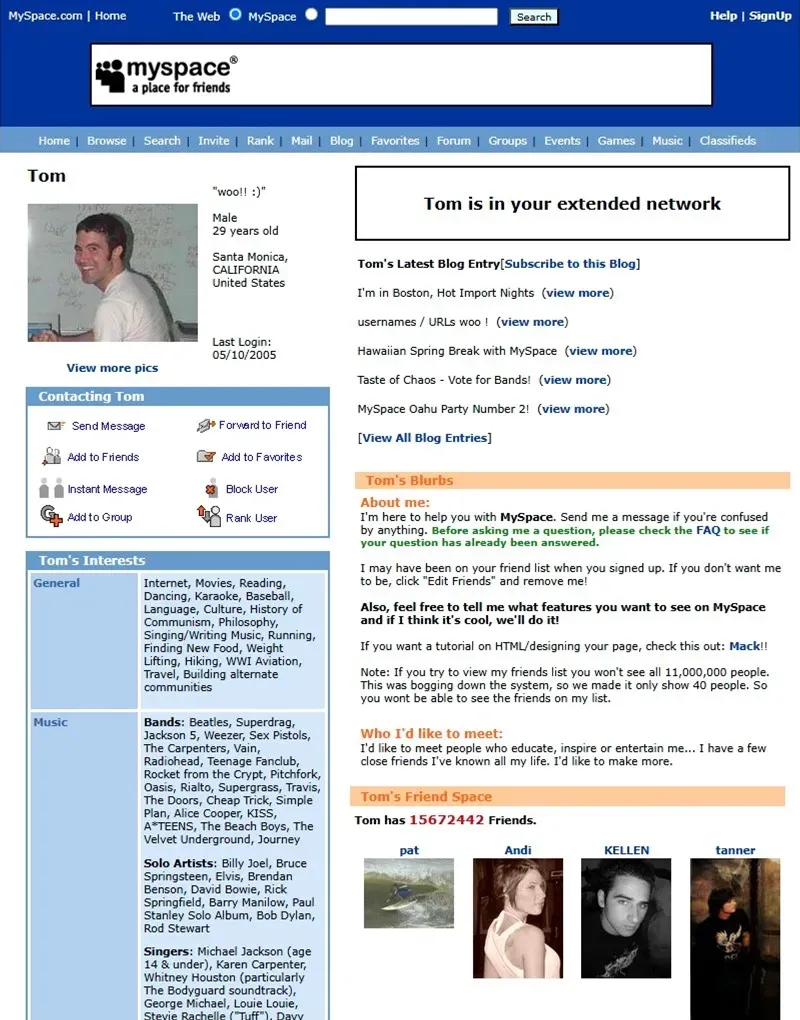
Unlike today's largely standardized profiles, MySpace encouraged users to build pages that reflected their personalities.
Backgrounds, colors, custom HTML, embedded music, and personal layouts turned profiles into creative projects. Music was at the center of the experience, allowing independent artists and bands to upload songs and build audiences without relying on traditional music industry gatekeepers.
For many users, MySpace functioned as much as a creative canvas as a social network.
Friendster, which launched in 2002, took a different approach. It centered on real-world relationships through its "friends of friends" concept and helped introduce millions of people to online social networking. While groundbreaking, the service struggled with performance problems as its popularity exploded, allowing competitors to gain momentum.
MySpace launched in 2003 with a more open philosophy that emphasized creativity over structure. Its combination of music, customization, blogging, messaging, and public profiles quickly attracted musicians, creators, and younger internet users. At its peak, MySpace became the most visited social networking website in the United States, influencing music discovery, internet culture, fashion, and the way people presented themselves online.
At the time, its traffic even once surpassed both Google and Yahoo!.
The site's trajectory changed after News Corporation acquired MySpace in 2005 for $580 million from Intermix Media, which owned MySpace. Recipients include shareholders, including the original founders: Chris DeWolfe and Tom Anderson.
As Facebook expanded with a simpler interface, faster performance, and a more consistent user experience, MySpace gradually lost users. Advertising increased, redesigns altered the platform's identity, and the service struggled to maintain the cultural momentum it had once enjoyed.
In 2011, MySpace was sold to a group led by Chris and Tim Vanderhook alongside Justin Timberlake.
The new owners attempted to rebuild the platform around music discovery and entertainment, but the relaunch never regained its earlier popularity. According to the Vanderhooks, they inherited a platform that had already passed through multiple leadership teams while advertisers rapidly shifted their budgets elsewhere, resulting in losses exceeding $150 million.
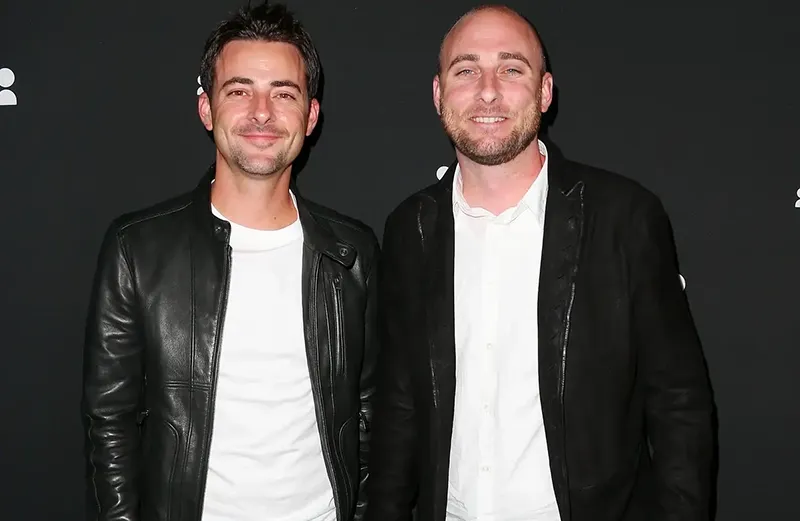
Today, MySpace still exists as a music and entertainment website under the Vanderhooks' ownership.
While it no longer resembles the social network that defined the mid-2000s, recent reports suggest monthly activity has risen from extremely low levels to several million users, partly as interest grows in alternatives to heavily algorithmic platforms.
Even so, it remains far smaller than today's dominant social media services.
Friendster and MySpace ultimately represented two different visions of online identity.
Friendster emphasized trusted social connections, while MySpace prioritized creativity, self-expression, and discovery. Together, they demonstrated that millions of people were willing to build meaningful parts of their lives online. They also exposed how difficult it is to maintain technical reliability, cultural relevance, and sustainable business models as online communities grow.
More than twenty years later, the internet has changed dramatically.
Modern platforms are driven largely by recommendation systems, algorithmic ranking, and creator economies rather than personal profile customization.
Yet many of the ideas that made early social networks memorable, including chronological feeds, individual expression, and direct relationships between creators and audiences, continue to resonate with users who feel that today's social media has become increasingly homogenized.
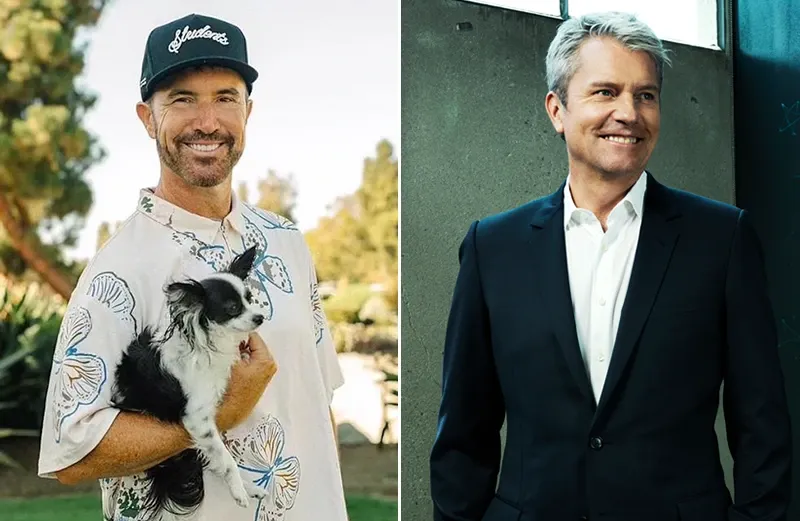
Dead or not, the news about reviving the former giant has brought lots of memories. While nostalgia alone may never be sufficient to revive a technology platform, since competing against established social networks would require more than recreating familiar features from the past.
Still, the documentary shows that its owners have not abandoned the idea.
They continue to view themselves as caretakers of a brand that once defined an era of the internet, and they appear willing to keep experimenting until they find an approach that works.
The histories of Friendster and MySpace remind the world that the first generation of social media continues to shape how people think about online communities.
Their names still carry cultural recognition.




















































































































































































































































































