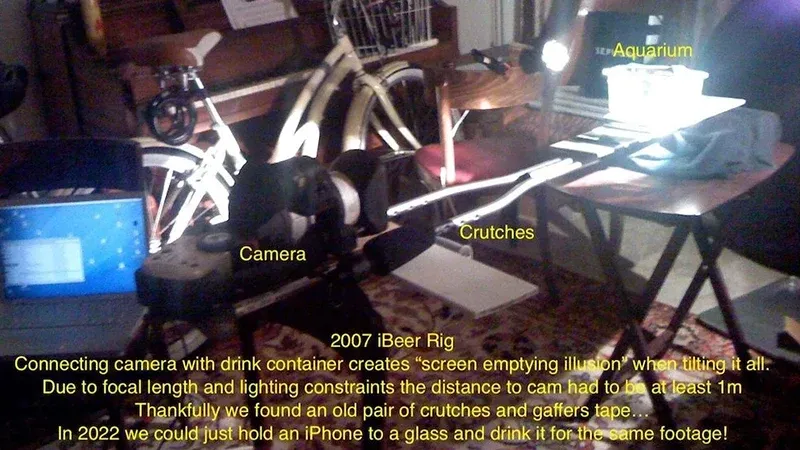
There was a stretch of years when the original iPhone in people's pocket still felt unfinished, as if Apple had handed the world a bright rectangle and then waited to see what people would dare put on it.
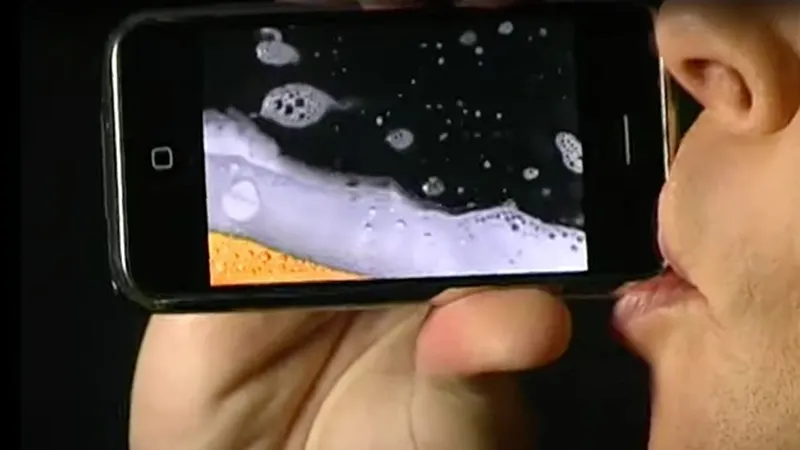
But then, bars filled with the same small ritual: someone tipped an iPhone toward their mouth. A friend leaned in. The laughter was half delight and half disbelief. The screen held a column of gold and foam that slid and sloshed when the device moved.
It was a trick that happened to travel better than most parlor tricks.
People could show it to a stranger without explaining a single setting. The app did not need maps or email or the future of computing to work. They only had to tilt. And it was a money maker.
The man who made that trick had been a magician before he was a developer. Then he disappeared.
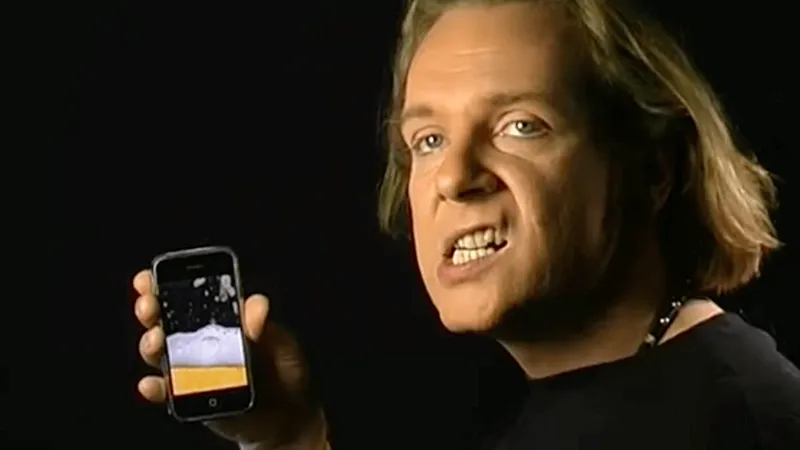
Before it happened, he was the kind of man who worked rooms at the Magic Castle and later larger stages, before finding himself broke and sleeping on a friend's couch when the first iPhones appeared.
Steve Sheraton was 37-years-old, a Swiss-born who already knew how to make a small screen lie.
He had fooled a Palm Pilot into looking like a cup of coffee with a gag he called "E-spresso." The device had no accelerometer, so the coffee was only a timed video.
Users had to match their drinking motion to the clip.
But when the iPhone arrived, he rebuilt the joke with beer instead because beer could be photographed better. And not just that, since the alcoholic beverage is actually his favorite, and that Sheraton was a recovering alcoholic, and booze was still part of his life.
The beer version began as a video he posted because people kept asking how to do the same thing on the new phone, back when there was not even a proper word for "app."
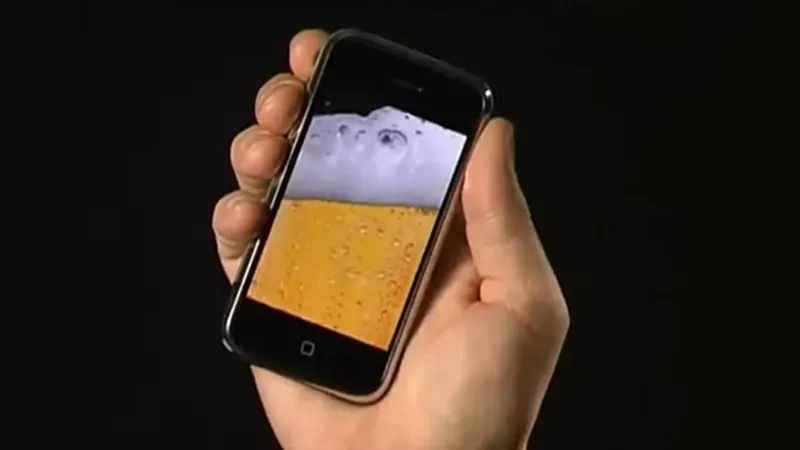
He uploaded himself drinking from the rectangle.
YouTube went loud. Millions of views in 2007 was a different kind of crowd than a magic theater.
People begged him to put the thing on their phones.
He sold the clip for $2.99 through iTunes. Buyers had to hardwire the file in from a computer. For a long stretch he made about $2,000 a day from a video that was never supposed to be a product.
Then Apple opened the store and asked if he wanted to turn the joke into something official.
They said that they had seen the YouTube clip, and explained that they had been scouting developers who could show what the phone could do. In response, Sheraton formed Hottrix, created a proper app, then priced that real app at $2.99.
Sheraton built it the way a film person builds an illusion rather than the way a coder builds a tool.
He shot actual beer.
He cut looped videos and image sequences so the foam would look wet instead of drawn.
He tied the line between liquid and head to the horizon the accelerometer kept measuring. Tilt past a certain angle and the program switched clips until the glass looked empty. Shake and the foam rose.
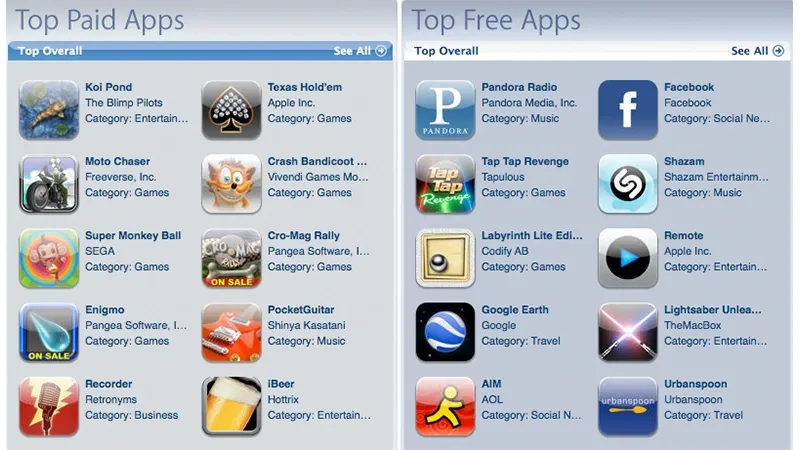
On the first day of the App Store, 11 July 2008, iBeer went to number one. It stayed near the top for about a year.
As a result of this sudden success, money arrived faster than he could count.
As a person riding the first wave of third-party app development, Sheraton earned ten thousand dollars a day, sometimes twenty. That amount was enough to rent places in Barcelona at about $6,000 a month and fill them with furniture he bought on impulse from antique shops.
Publications listed the little beer among the apps you were supposed to have.
Major publications wanted the inventor, and Sheraton turned up on Ellen DeGeneres, on SNL, even with the Muppets on Sesame Street. The joke scaled so well until it stopped being funny and started feeling like an avalanche.
A large brewer released something almost identical and called it iPint.
Lawyers entered the picture. Hottrix sued Coors for $12.5 million. The settlement stayed confidential.
Updates got rejected because of a burp sound. Some buyers wrote angry reviews because actual beer did not come out of the glass. The inventor later said the sudden visibility, the cash, and the old problem with alcohol all arrived together and made everything louder.
Creating the act had been fun. Repeating it until it became an identity had not. iBeer, he said, was the burp that grew bigger than him.
At some point the charts moved on. Other apps learned how to keep people longer. The beer was still there, still downloaded by the tens of millions, still doing the same simple thing it had always done, but the man who had built it began to recede.
He handed the rights back to the company that had grown around the idea and stopped performing the public version of himself.
Friends and interviewers would later hear that he had gone to Spain, to a farm, to fruit trees and a quieter kind of inventing, small tools for other magicians, the sort of work where everyone already knows everyone and the drama of sudden fortune is less likely to follow you home.
The first look never needed a menu.
On the original iPhone the drink occupied the whole glass of the screen. Golden body. Thick foam that stayed level while the world tipped. No settings speech. No tutorial. You held the rectangle like a pint and the rectangle agreed to be a pint.
Sheraton described the original success the way a performer talks about an act that worked too well.
People who remember those first summers still make the gesture without thinking, a small tilt of the wrist over a table. The phone no longer needs to prove it can do magic.
The man who once proved it with a glass that was never a glass is harder to find.
The downloads kept climbing toward the number that would eventually be printed in the store notes, 90 million by 2014, then more, while the inventor practiced the older trick of leaving the stage before the audience decided the bit was over.
A good joke, he said, can only be told so many times.
After that, people either keep telling it or they go somewhere the telling cannot reach them. He chose the second option, and the internet, which had briefly belonged to a fake pint of beer, kept scrolling without him.
The foam is still on the screen if people still go looking. Hottrix still ships the trick. The original files, the first YouTube timing gag, the accelerometer loops cut from real beer, the $2.99 launch day, the Barcelona rooms, the lawsuit, the burp, the couch, the Palm Pilot coffee that came first, all of that is still attached to a name that no longer answers the room.
The rectangle learned other jobs. The tilt remains.