When the U.S. and its coalition of military forces were in Afghanistan, they brought lots of firearms, equipment, as well as vehicles. Lots of these items were supplied to Afghanistan, to help its collapsing security forces.
But when the military returned home, they cannot bring everything back.
Because of this, some of the items are left behind.
This is why Taliban militants have seized a number of those items, which include, and not limited to firearms, as well as vehicles.
And this time, as the Talibans have swept through the country to also capture the capital Kabul, fear grows about Taliban's use of biometric systems that they've seized.
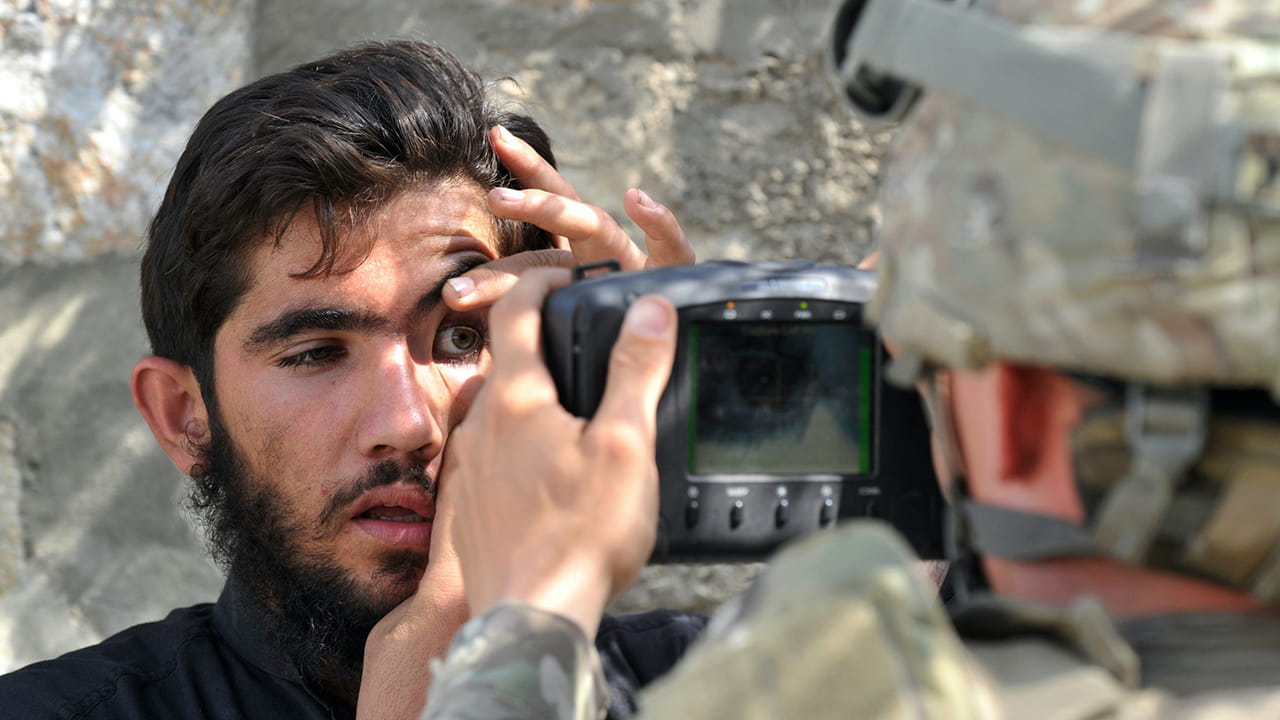
This is concerning because the machines contain data that include iris scans, fingerprints, facial scans, and biographical information. These machines can also be used to access centralized databases.
According to the Human Rights First, a U.S. non-profit organization (PDF):
"This technology is likely to include access to a database with fingerprints and iris scans, and include facial recognition technology."
The worries came as military officials said that the Talibans have seized biometric devices known as HIIDE (Handheld Interagency Identity Detection Equipment).
The equipment is billed by the U.S. military as a means of tracking terrorists and other insurgents. However, it also collected data of Afghans who assisted the U.S..
While biometric data on Afghan citizens was reportedly widely collected and used in ID cards, activists fear that the information can help the Talibans to identify U.S. collaborators and attack vulnerable groups.
Reflecting to the past, back in 2016, insurgents behind a mass kidnapping in the Afghan city of Kunduz used a government biometric system to check if bus passengers were security force members.
At that time, 12 passengers were killed, reports said.
For prevention, Human Rights First has issued guides in English, Pashto, and Dair on how to evade the avoid recognition based on biometric data.
"You want to obscure or alter as many major facial structural features as possible, most importantly the mouth, nose, eyes, jawline, and cheekbones below your eyes. Doing this means adding things that can change their shape, or wearing things that obscure them, or a combination of both. Hide as many of these features as you can - each alteration lowers the chance that you are identified, but cannot guarantee you won’t be."
"Fingerprint scans are difficult to bypass."
"While It’s possible to create a fake print to glue to your finger, this is highly risky and should only be considered in an emergency."
"Iris scan recognition tests are extremely accurate and difficult to bypass if administered with proper equipment. Successfully evading these scans is very unlikely."
While the NGO has given the warning and some of the methods to evade, the NGO warns that fooling the tech is difficult and risky.
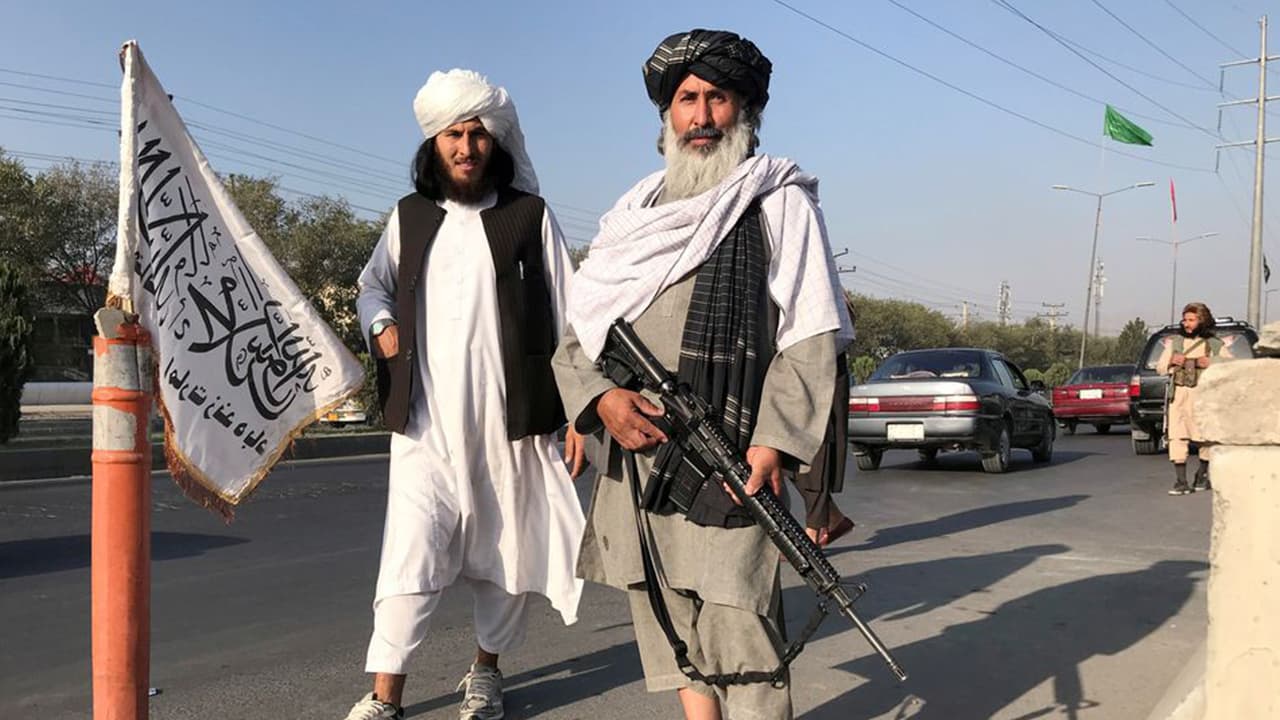
It is said that the Taliban may require additional tools to process the HIIDE data, but concerns come as Pakistan may want to assist with this.
“I don’t think anyone ever thought about data privacy or what to do in the event the [HIIDE] system fell into the wrong hands,” said Welton Chang, Chief Technology Officer for Human Rights First, who is also a former Army intelligence officer.
“Moving forward, the U.S. military and diplomatic apparatus should think carefully about whether to deploy these systems again in situations as tenuous as Afghanistan.”
The worrying thing is because the government collected biometric data, despite knowing the risks entailed by maintaining such large databases of personal information.
If seized HIIDE equipment is not concerning enough, there are also risks from cyberattacks, as hackers are always on the move to target various government agencies and private companies.
The amount of data that can be accessed through HIIDE, can be millions, considering that report suggested that it had a goal of 25 million entries.






















































































































































































































































































