The internet and social media can be considered two on the greatest technological advancements of the century. But it's the latter that sparked a lot of problem.
With people able to share just about anything, social media companies change the world by putting those people closer together. However, they do this for profit, and privacy concerns have escalated to an alarming degree.
From improper use of personal user information to biased AI in algorithms, to multiple data breaches. Then there is social media in taking down contents based on political considerations, using their reach to influence elections, to adopting algorithms that make it easy to surface controversial content to making it difficult for users to understand how their data is collected, processed and shared.
In short, users aren't safe.
This is why Wikipedia co-founder Larry Sanger calls for users of the web to boycott their social media activities on July 4th and 5th.
SOCIAL MEDIA STRIKE INFO TWEET
Hashtag: #SocialMediaStrike
Info: https://t.co/mGFSKDoKhE
Declaration: https://t.co/uboOyDXgs1
"Will you strike?" poll: https://t.co/VIFZEitsow
Resources/links: https://t.co/Osrnvdd3VY— Larry Sanger (@lsanger) June 30, 2019
To highlight his reasons, Sanger also created a petition on Change.org to highlight his reasons, and shared a blog post about the "Declaration of Digital Independence" to convince "as many people as possible" to "join together and [reform]" the social networks we all have.
He said that:
Sanger recalls the early days of the internet, where tech giants and social media companies weren't the "empires".
At that time, the internet was populated by decentralized networks, ran by independent individuals who don't work for the money.
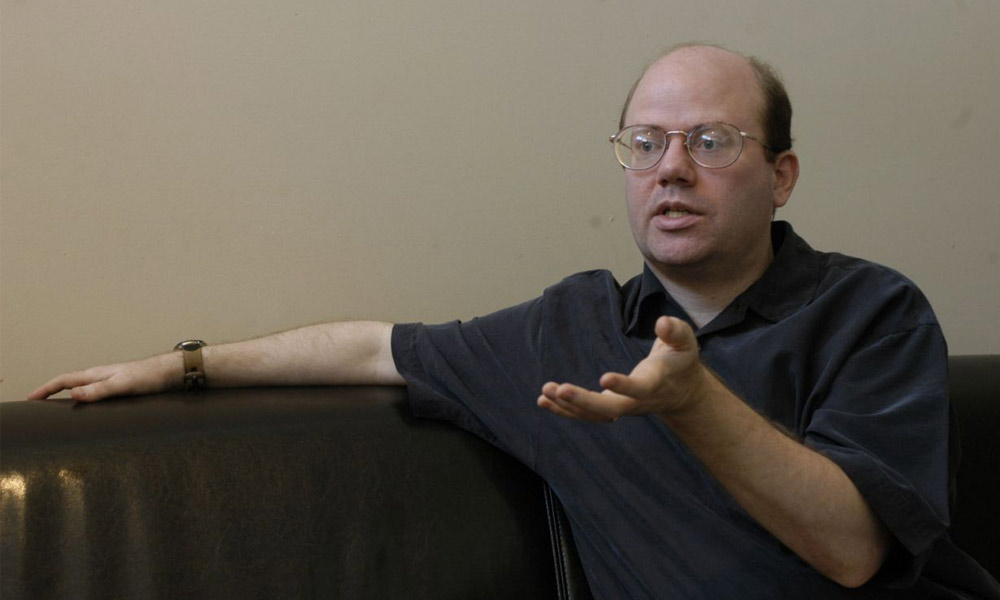
“We’re going to flex our collective muscles and demand that giant, manipulative corporations give us back control over our data, privacy, and user experience,” said Sanger, criticizing the companies’ exploitative approach to manipulate users for profit..
“The most reliable guarantee of our privacy, security, and free speech is not in the form of any enterprise, organization, or government, but instead in the free agreement among free individuals to use common standards and protocols."
Sanger didn't stop with a petition and his "Declaration" alone, as he also took his time to put together 9 comprehensive "principles of decentralized social network". They include:
- Users are free individuals, and should be able to publish their data freely, without having to answer to any corporation.
- Users must declare that they legally own their own data; both legally and morally.
- Posts that appear on social networks should be able to be served, like email and blogs, from many independent services that users individually control.
- The privacy rights of users must be preserved against criminal, corporate, and governmental monitoring; therefore, for private content, the protocols must support strong encryption and other privacy practices.
- As is the case with the Internet domain name system, lists of user feeds should be restricted by technical standards and protocols only, never according to user identity or content.
- Social media should make available data input by the user, at the user’s sole discretion, to be distributed by all other publishers according to common, global standards and protocols, just as are email and blogs, with no publisher being privileged by the network above another.
- Social media should also aggregate posts from multiple, independent data sources as determined by users, and in an order determined by the user’s preferences.
- No corporation should control the standards and protocols of decentralized networks, nor should there be a single brand, owner, proprietary software, or internet location associated with them, as that would constitute centralization.
- Users should expect to be able to participate in the new networks, and to enjoy the rights mentioned above without special technical skills. They should be easy-to-use, with the most private messages encrypted automatically.






















































































































































































































































































