Computer vision has moved from isolated image analysis into the systems that run offices, transit hubs, factories and public facilities. Cameras and sensors now produce operational data that can help teams identify equipment faults, manage building access and respond to unusual activity.
Turning those inputs into useful decisions requires more than an accurate model. Enterprises also need dependable networks, scalable computing resources and clear rules for how visual data is stored and used.
Vision Models Beyond Image Generation
Enterprise vision models focus on interpreting real environments. They can classify objects, detect changes, track movement patterns and flag conditions that require review. A warehouse might use a model to spot blocked exits, while a manufacturing site could detect missing protective equipment or products moving toward the wrong loading area.
Synthetic environments can improve these models when real training data is scarce or difficult to label. Work involving digital twin model enhancement shows how simulated scenes can support model development and testing. Before deployment, teams should define a narrow task, document expected conditions and test performance under poor lighting, crowded scenes and camera obstructions.
Real-Time Telemetry at Scale
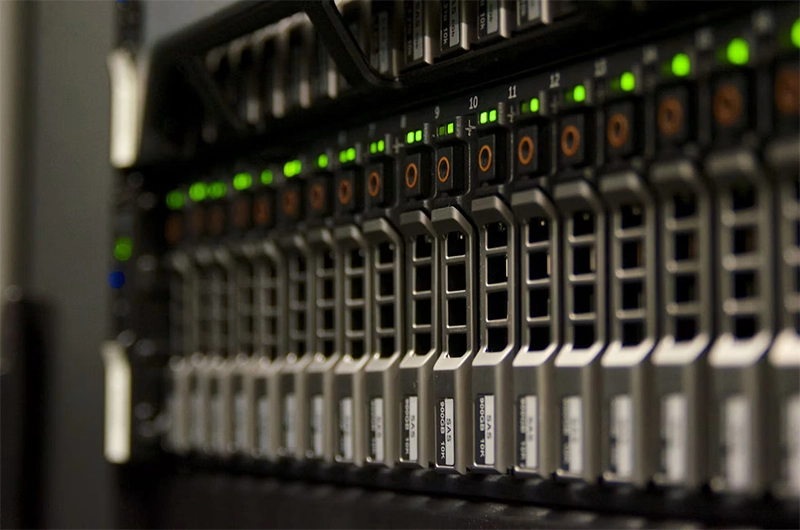
A single camera stream can generate a steady flow of frames and metadata. Multiply that across hundreds of locations and the infrastructure challenge becomes clear. Sending every frame to a central server increases network traffic, storage use and processing costs.
A practical architecture separates immediate events from long-term records. Edge devices can perform initial processing, then send alerts and compact metadata to a central platform. Full video can remain available under defined retention rules when an operator needs context.
The broader shift toward enterprise visual intelligence also makes system monitoring vital. Track inference time, dropped frames, model confidence and device health. These measurements reveal when network congestion or hardware limits are affecting results before users experience a serious failure.
Modern Ecosystems and Unified Platforms
Computer vision creates more value when alerts connect with access records, facility systems and operator workflows. A unified interface can show the relevant camera view, associated location and recent events without forcing staff to switch between separate applications.
When evaluating physical security companies, facilities directors and security operations managers should examine how video management, access control, communications and hosted services share information. Open interfaces also matter because large organizations often have existing sensors and business applications that cannot be replaced at once.
Start with a documented integration map. Identify data sources, system owners, retention periods and the person responsible for each response. This prevents an technically successful integration from producing alerts that nobody owns or knows how to investigate.
Balancing Latency and Server Bandwidth
Latency requirements should follow the use case. An alert about a restricted door may need processing within a second, while a weekly report on visitor traffic can tolerate slower batch analysis. Applying the same speed target to every workload wastes computing capacity and raises operating costs.
Place time-sensitive inference near the data source, then reserve central servers for aggregation, reporting and model updates. Compression, frame sampling and region-of-interest processing can further reduce bandwidth. For example, a loading dock model may analyze a few frames per second and focus only on marked vehicle lanes.
Test performance during peak demand, not under ideal lab conditions. Measure end-to-end delay from image capture to operator notification, then set thresholds for acceptable degradation. Those results provide a clearer capacity plan than server specifications alone.
Ethical Guardrails for Automated Systems
Visual systems affect employees, visitors and members of the public, so governance must begin before deployment. Define a specific purpose for each model and limit collection to the data needed for that purpose. Access controls, retention schedules and audit logs should apply to both video and derived metadata.
Human review remains necessary when an automated alert could lead to a consequential action. Operators need enough context to confirm what happened, record their decision and correct false detections. Teams should also compare error rates across lighting conditions, locations and relevant demographic groups where lawful and appropriate.
Governance works best as an operating process. Schedule model reviews, assign responsibility for complaints and record every material system change. A vision model may improve over time, but its permissions shouldn’t expand silently. The most trustworthy deployment is one whose purpose, performance and boundaries remain visible to the people responsible for it.