In a press release, Ernst & Young announced that it has developed a blockchain-powered platform for tracking the authenticity and origins of wine.
The system that is based on EY‘s suite of blockchain tools Ops Chain, is created to help Blockchain Wine Pte. Ltd. in building a blockchain platform for wine distributors across Asia and worldwide, tto make it possible for customers to "determine the quality, provenance, and authenticity of new and vintage wines."
The solution is called the 'TATTOO Wine Platform', and it is meant to "focus on markets in China, Japan, South Korea, Thailand, and Singapore."
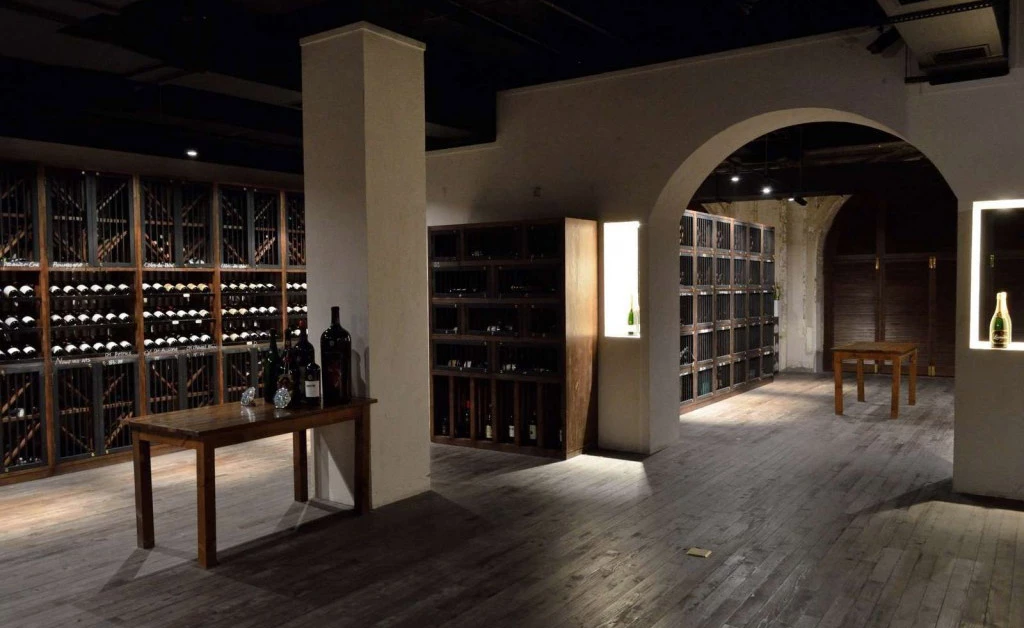
The name 'TATTOO' here stands for “traceability, authenticity, transparency, trade, origin, and opinion,” and is supported by The House of Roosevelt in Shanghai, China, considered one of the largest wine cellars in Asia.
According to EY, the platform leverages smart contracts to streamline wine sales from "vineyards to hotels, restaurants, cafes (B2B), and customers (B2C)."
The platform is designed to record more than 5,000 wine labels, including those from France, Italy, Spain, Australia, New Zealand, South Africa, South America, and California.
The blockchain by Ernst & Young works similarly to other blockchain-based tracking solutions, in ways like Carrefour's blockchain tracing system, or Sustainable Shrimp Partnership's blockchain system.
When buyers want to access details on the origins of a wine, they have to scan a QR code “tattooed” on each bottle.
According to EY:
"By scanning the QR code, participants can access information such as vineyards’ names and locations, details such as the types of fertilizers used to grow the crops, and how each batch is transported for processing and delivery."
As well as providing data on wine provenance, TATTOO also allows consumers and distributors to buy and sell wine, schedule and track shipments, monitor warehousing and delivery, and arrange for and track insurance coverage of wine shipments, EY said.
For the system to work, all with access to the blockchain have to enter the data about the wine at each stage of the chain. The approach poses some challenges, for one, that EY should ensure that all data entered in its blockchain is indeed authentic.
But still, EY claims that the technology has been used to tokenize “more than 11 million bottles of wine for multiple clients.”
To make this happen, the company relied on Ethereum’s ERC-721 standard for non-fungible token.
With cryptocurrency keeping their hype, and more people learning how to leverage the blockchain technology to power many things beyond digital coins, companies that aren't tech-related are starting to become interested, and obsessed, with putting their products on the blockchain.
In other news, blockchain startup VinX is also developing a supply chain platform for trading wines, allowing connoisseurs and collectors to purchase vintage wines while they are still in their barrels, a year or two before they're bottled and released to the market.






















































































































































































































































































