As missiles and drones streak across Gulf skies in one of the most volatile regional conflicts in years, a different kind of battle has unfolded online.
Across countries like the United Arab Emirates, authorities have launched an unprecedented crackdown on people sharing videos, images, and even private messages related to Iranian attacks, turning everyday social media users into criminal suspects almost overnight.
The escalation follows weeks of intensifying conflict, with Iran launching repeated missile and drone strikes on Gulf infrastructure and energy facilities as part of the broader 2026 war involving the U.S. and Israel.
These attacks have hit key sites, caused casualties, and forced governments to activate air defenses on an almost daily basis.
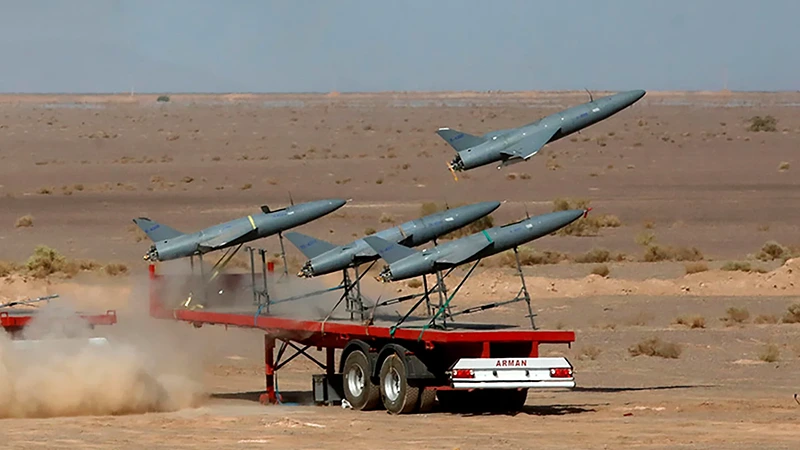
At the same time, Gulf states have warned the international community that the strikes pose a serious threat to regional stability and civilian safety.
But while explosions lit up the sky, governments in the region moved swiftly to control what could be seen on screens.
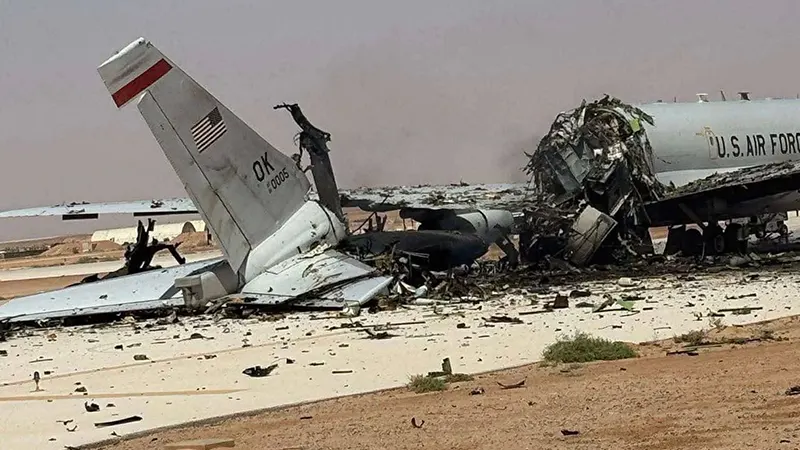
In the UAE, authorities began issuing strict warnings early on: filming or sharing footage of missile strikes, intercepted drones, or damaged infrastructure could be considered a threat to national security. What followed was a sweeping wave of arrests.
Official figures show that at least 100 people were detained in a single enforcement action for filming and posting videos of Iranian strikes, part of a broader crackdown that has already reached into the hundreds. In some cases, even receiving or forwarding such content has reportedly been enough to trigger detention, with individuals accused of spreading misinformation, inciting panic, or exposing sensitive security details.
UAE, after all, has long been portraying itself as a haven of of luxury, security, business-friendly predictability, and wealth. Dubai, in particular, is considered the influencer capital of the world, pictured as the perfect playground for the young, the glamorous, and the rich.
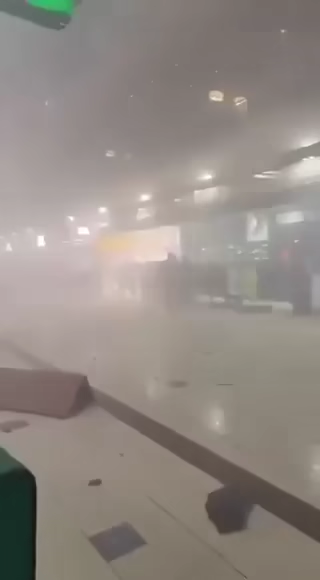
But as Iranian missiles strike the city, the largest and most extravagantly luxurious city in the UAE began to saw a fracture in its polished image.
A place long promoted as one of the safest in the world no longer feels like the calm refuge it once was.
|

|

|
The scope of enforcement has gone far beyond what many might expect.
Reports indicate that people have been arrested not just for public posts, but also for private messages shared with friends and family. Others were detained simply for recording events as they unfolded, without ever uploading the footage. Authorities argue that such material could reveal defensive capabilities, create public fear, or be exploited by hostile actors.
Penalties are severe.
Under the UAE's cybercrime laws, those found guilty can face years in prison and heavy fines. Some detainees, including tourists and expatriates, are reportedly facing sentences of up to a decade for sharing or even possessing images related to the attacks.The laws themselves are broad, giving authorities wide discretion over what constitutes harmful or destabilizing content.

Human rights groups and legal advocates have raised concerns about the scale and opacity of the crackdown.
They warn that vague legal definitions, limited access to legal representation, and pressure to sign confessions in unfamiliar languages could leave many vulnerable. At the same time, governments insist that such measures are necessary to maintain order during wartime conditions and to prevent the spread of misinformation.
The result is a stark reminder of how modern conflict is no longer confined to battlefields.
In the Gulf, the war is being fought not only with missiles and drones, but also through control of information, where a single video clip, shared in seconds, can carry consequences lasting years.
As the conflict continues and tensions remain high, the message from Gulf authorities is unmistakable: in times of war, even a smartphone can become a liability.

















































































































































































































































































