Alexander Tsvetkov, a scientist at the Institute of Biology of the Russian Academy of Sciences, had to spend 10 months of his life in prison for a crime he never committed.
This happened when Tsvetkov was taken off a plane in Moscow’s Domodedovo airport in February after a business trip to Krasnoyarsk.
He was informed that he was identified as the perpetrator of a series of murders that happened over 20 years ago.
Investigators claimed that he and individuals suspected as his accomplices killed at least two people.
The research institute where the scientist has worked since 1996, provided the investigators with a confirmation that the suspect was on business trips in the Vologda and Kostroma regions when the murders were committed.
Tsvetkov colleagues and fellow scientists testified that Tsvetkov was with them during the alleged murders.
But the authorities simply didn't listen.
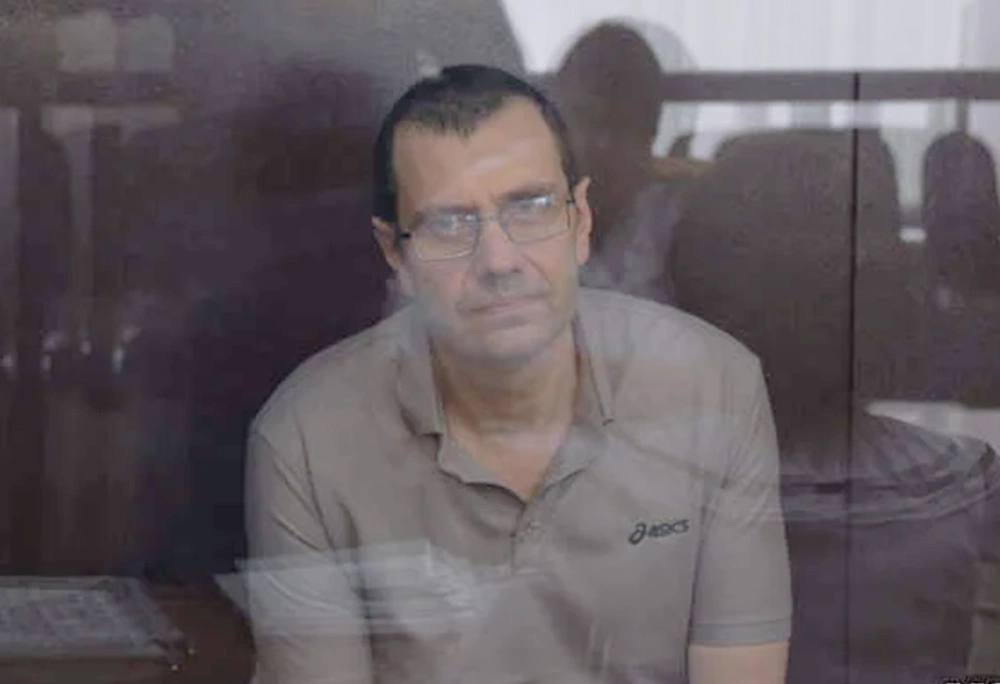
The murders that Alexander Tsvetkov stands accused of occurred on August 2nd, 2002.
First, a man with whom Tsvetkov had allegedly drunk with, was killed after a quarrel. That same night, Tsvetkov and his accomplices was accused of robbing a 64-year-old woman, before finally attacking and killing another woman and her 90-year-old mother under the pretext of wanting to rent an apartment.
What happened here is that, Tsvetkov was accused of being a murderer by an AI system.
The authorities trusted an AI system more than they trust humans.
While the Russian authorities have relied on AI system to aid their in their work, the unfortunately incident experienced by Tsvetkov happened because there was a mistake in the AI system.
Tsvetkov, a resident of the city of Yaroslavl, was accused for the murders based on a 55% match between Tsvetkov and a sketch made by a witness more than two decades ago.
The hydrologist was allegedly forced to write a confession, but he later recanted.
Tsvetkov pled not guilty.
However, Tsvetkov's alleged accomplice, confessed to the murders, identified the scientist, but his testimony had some issues.
This person stated that Tsvetkov had been homeless with them in Moscow, drinking alcohol and "smoking half a pack of cigarettes a day."
The thing is, Tsvetkov had never been homeless, never didn't drink alcohol, and had never smoked in his entire life due to lung issues.
The accomplice also remembered Tsvetkov having a ring tattoo on his finger and Celtic patterns on his left hand. However, the scientist's relatives stated that he never had any tattoos.
The authorities that ignored fact checks.
Despite the mountain of evidence exonerating Tsvetkov in this murder case, Russian authorities still chose to trust a software powered by AI.
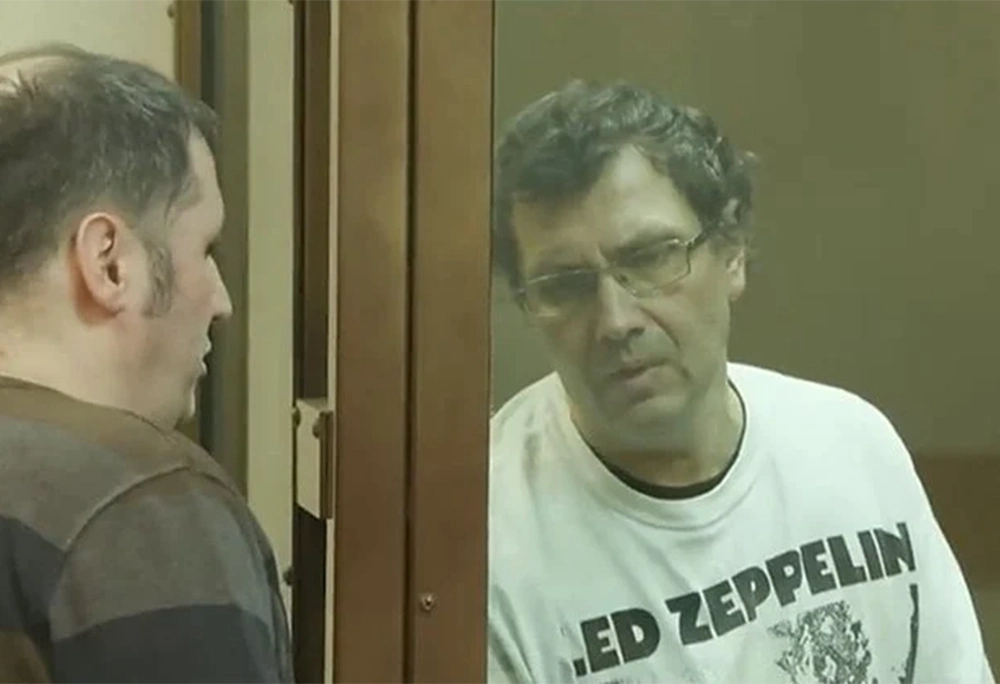
The case of Alexander Tsvetkov has caused a stir in Russia for months, and after a campaign demanding his release, it's said that at President Vladimir Putin’s meeting with Human Rights Council members on December 4, human rights activist Yeva Merkacheva raised the issue of Tsvetkov's case.
Putin replied that he considered AI to be working very effectively in many areas and called for making appropriate conclusions if there were any failures.
The Russian President allegedly commented that "artificial intelligence is a complex topic, and if there are any failures in this area, they need to be analyzed and appropriate conclusions are drawn."
With rumors of intervention by Putin himself, the scientist was released earlier this month.
A court in Moscow released Tsvetkov from pre-trial detention that followed the authorities' conclusion that was based only on AI-made suspicion.
The court ruled that Tsvetkov, charged under part 2 of article 105 of the Criminal Code (murder of two or more persons), shall abide by a ban on certain actions, the court said.
Earlier, Tsvetkov’s investigator asked court to ease the restrictive measure against the suspect.
It took a tiring 10 months for his family to get him released.
However, the charges against him have not been dropped.






















































































































































































































































































