Android is one of the most popular operating system, famous for powering more than half of all smartphones and other mobile devices on the planet.
Behind it, is Google, the tech giant.
While everything is business as usual, and Google delivers most if not all it promised about improving the operating system, the company does have the upmost control on the way the operating system has to operate. And South Korea does not like that.
An antitrust regulator in the country has fined Alphabet Inc's Google 207 billion won ($176.64 million) for blocking customized versions of its Android operating system.
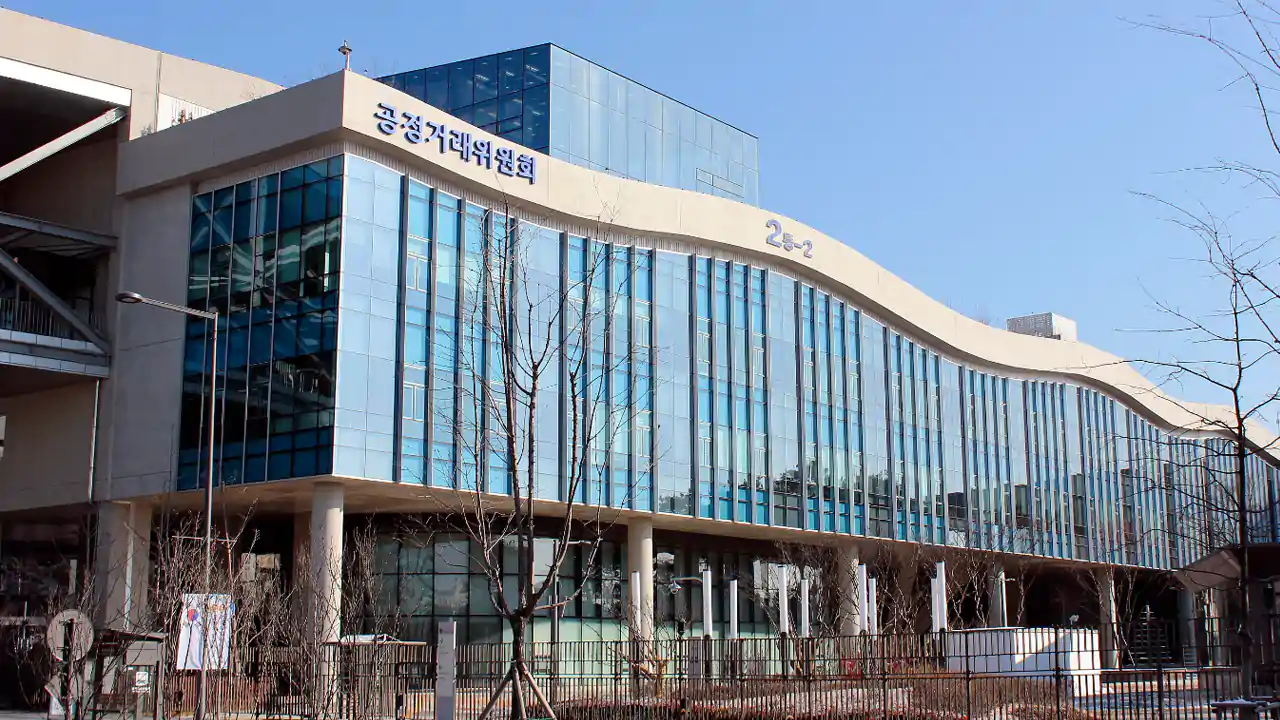
The Korea Fair Trade Commission (KFTC) on Tuesday said that Google abuses its power as the most dominant market player, in order to restrict competition in the mobile market.
The fine comes on the day an amendment to South Korea's Telecommunications Business Act, or better known as the "anti-Google law," came into effect.
With the law, South Korea can also ban app store operators, like Google Play Store, from requiring software developers to use payment systems.
This effectively stopped developers from charging fees for users' in-app purchases.
This makes South Korea the first nation to adopt such regulations.
The KFTC said that Google restricts competition by making device producers, like South Korean Samsung and LG, to abide by an "anti-fragmentation agreement (AFA)" when signing key contracts with it regarding app store licenses.
Under the AFA, manufacturers could not equip their handsets with modified versions of Android, known as "Android forks."
With the license, Google is able to cement its market dominance, in an unhealthy way.
Joh Sung-wook, chairwoman of KFTC said that Google has been doing this since 2011.
In one example, Samsung that creates the globally popular Galaxy phone series, suffered a huge setback back in 2013, when Google forced it to abort its plans to use a customized version of Google software on its Galaxy Gear smartwatches.
Samsung switched to a little-known operating system called Tizen, but gave up on the software after struggling with a lack of applications. With less to no option, Samsung then continued its partner with Google, and powers its smartwatch with Google’s Wear OS.
LG was also thwarted from releasing smart speakers based on customized Google software.
Google in a statement said that it intends to appeal.
The tech giant said that the ruling ignores the benefits offered by Android's compatibility with other programs and undermines advantages enjoyed by users.
South Korea has always closely scrutinized how foreign technology companies operate in its market. And this time, more focus has been put on Google and Apple, as officials vowed to prevent them from abusing their dominant market positions in mobile internet.
And this fine here, is one of the country's biggest antitrust penalties ever.
But still, according to Kim Min-jeong, another FTC official, the amount announced by her commission was tentative. The final amount should be based on the revenue Google generated in South Korea from 2011 to April 2021.
As well as Google’s anti-fragmentation agreements, it should also be noted that the Korean regulator is also investigating alleged competition restrictions in Google’s Play Store app market, in-app purchases, and the ad market.

















































































































































































































































































