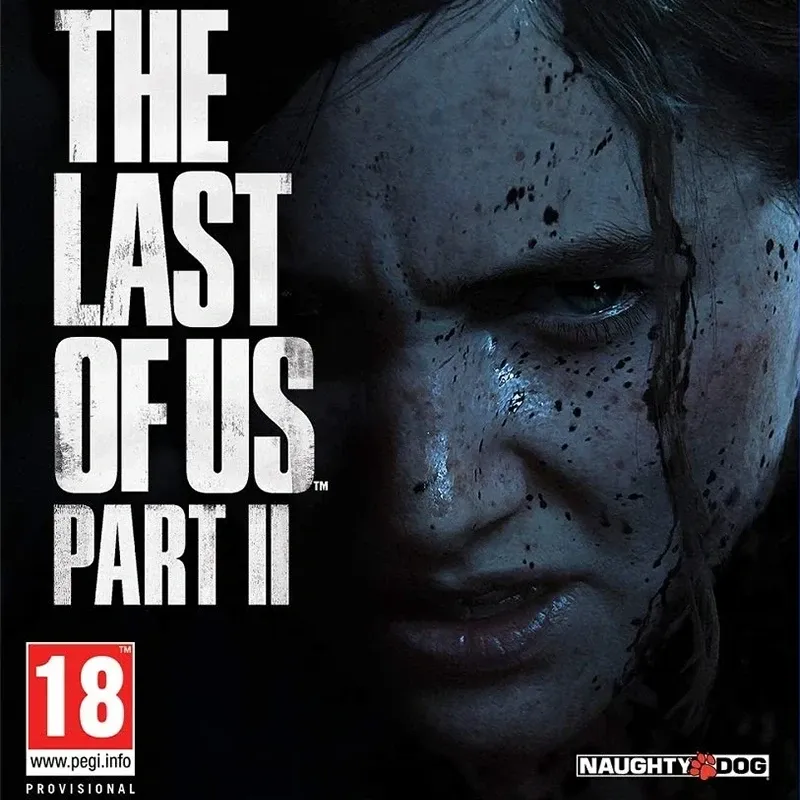
When The Last of Us Part II was released in June 2020, it was already carrying enormous expectations.
The original The Last of Us had become one of the most celebrated PlayStation games of its generation, largely because of the relationship between Joel and Ellie. By the time the sequel arrived, seven years had passed.
Players had spent years wondering what would happen to them, and that long wait made the sequel feel less like another game and more like the continuation of a story people had become deeply attached to.
What happened after its release was unusual even by the standards of the internet.
The Last of Us Part II became a major cultural argument. People debated its story, characters, themes, politics, marketing and even the intentions of its developers.
Some considered it one of the best games ever made. Others considered it one of the most disappointing sequels they had ever played. And perhaps most remarkably, many people who had never played it still knew exactly what the controversy was about.
The first major reason was the leaks.
In April 2020, before the game was released, large amounts of The Last of Us Part II footage and story information appeared online. Major plot developments were revealed, including Joel's death and Abby's role in the story.
The material spread quickly through Reddit, YouTube, Twitter and gaming forums. For a game whose story depended heavily on surprise and emotional progression, this was devastating. People could learn the most important events without ever touching the game.
The leaks also meant that the controversy began before the game officially existed for most players.
Some people saw the footage and immediately disliked what they saw. Others defended the game without having played it. Some deliberately avoided spoilers but still encountered them through thumbnails, comments and social media posts. By the time the game arrived on June 19, 2020, a large part of the internet had already decided what it thought about the story.
Then came Joel.
The original The Last of Us ended with Joel making a morally complicated decision.
What began as considering Ellie a packager he needed to deliver, Joel became a fatherly figure to Ellie, and that he even considered her like her daughter, whom she lost during the outbreak.
After discovering that the Fireflies planned to kill Ellie during an operation that could potentially produce a cure, Joel rescued her and killed people inside the hospital.
He then lied to Ellie about what had happened.
The sequel picks up several years later, with Ellie now nineteen and her relationship with Joel becoming increasingly complicated as she begins to understand the truth.
Early in Part II, Joel is killed by Abby Anderson.
Abby's motivation is directly connected to the first game.
Her father was one of the surgeons Joel killed at the hospital. She has spent years carrying the consequences of that event and eventually finds Joel. She beats him to death while Ellie arrives too late to save him.
For many players, this was the moment the sequel became extremely difficult to accept.
Joel had been one of the two central characters of the original game.
Players had spent years with him. They had watched him protect Ellie, make difficult decisions and gradually become a father figure to her. Killing him early in the sequel was already a major shock. But the way the game handled his death made the reaction even stronger.
Ellie then sets out for Seattle, determined to find Abby and take revenge.
At first, the game appears to be building a fairly traditional revenge story. Joel has been murdered, Ellie is devastated, and the player follows her as she hunts the people responsible. But Naughty Dog eventually turns the entire structure upside down.
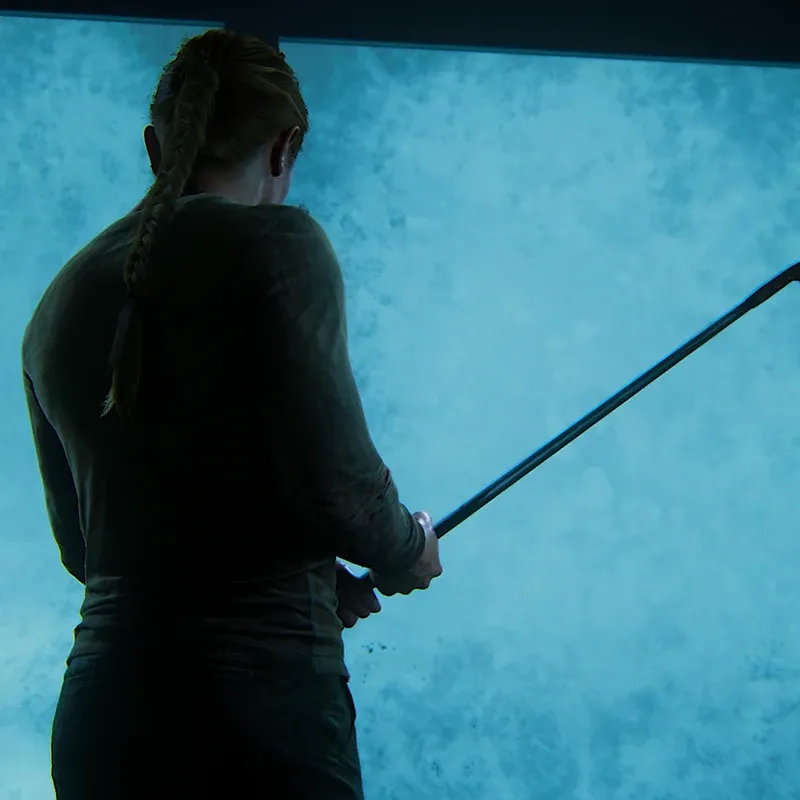
The player is forced to switch to Abby.
Instead of remaining a distant antagonist, Abby becomes playable for a large portion of the game.
Players experience the same events from her perspective and learn about her friends, her relationships and her own motivations. Her story also introduces Lev, a young Seraphite who becomes one of the most important people in Abby's life.
Naughty Dog literally humanized a villain.
This was an extremely risky decision.
Players had spent hours following Ellie and hating Abby for killing Joel. Then the game asked them to temporarily put themselves in Abby's position.
It was an attempt to make the player understand that the conflict was not simply between a hero and a villain. Abby believed Joel had murdered her father. Ellie believed Abby had murdered someone she loved. Both characters were acting from grief and revenge.
Some players thought this was the game's greatest strength.
They appreciated the attempt to show how violence looks from different perspectives and how revenge creates more suffering. Others strongly rejected the idea. They did not want to understand Abby. They wanted to see Ellie avenge Joel, and the game deliberately refused to give them the straightforward revenge story they expected.
That disagreement became the heart of the controversy.
The game also became involved in wider arguments about representation.
Ellie is openly a lesbian and her relationship with Dina is an important part of the story. Abby's physical appearance and muscular build became a frequent subject of online discussion. Lev is transgender, and his identity plays a significant role in Abby's storyline.
These elements became ammunition in broader internet arguments about LGBTQ representation, feminism and so-called "wokeness."
The internet then did what it does particularly well: it amplified the conflicts and the controversies.
YouTube became filled with videos analyzing the story. Reddit communities argued over Joel, Ellie and Abby. Twitter became a constant stream of spoilers, memes and arguments. Some people defended Naughty Dog and its creative choices, while others accused the studio of deliberately disrespecting its own audience.
The controversy also spilled into the game's user reviews.
Shortly after release, The Last of Us Part II received a huge number of negative user ratings on Metacritic.
Thousands of reviews appeared so quickly that questions were raised about whether many of the people rating the game had actually played enough of it to judge the entire story. The game's user score fell dramatically despite its extremely high critic score. The incident became one of the most visible examples of review bombing in gaming at the time, and Metacritic subsequently introduced changes designed to give players more time before posting user reviews for newly released games.
The strange thing was that the backlash did not stop the game from being commercially successful.
Sony announced that The Last of Us Part II sold more than four million copies in its first three days.
It became the fastest-selling PlayStation 4 exclusive at the time. Critics also largely praised it. Its technical presentation, performances, animation, sound design, accessibility options and ambition received substantial recognition.
The game eventually won Game of the Year at The Game Awards in December 2020, along with several other awards.
That created another round of arguments.
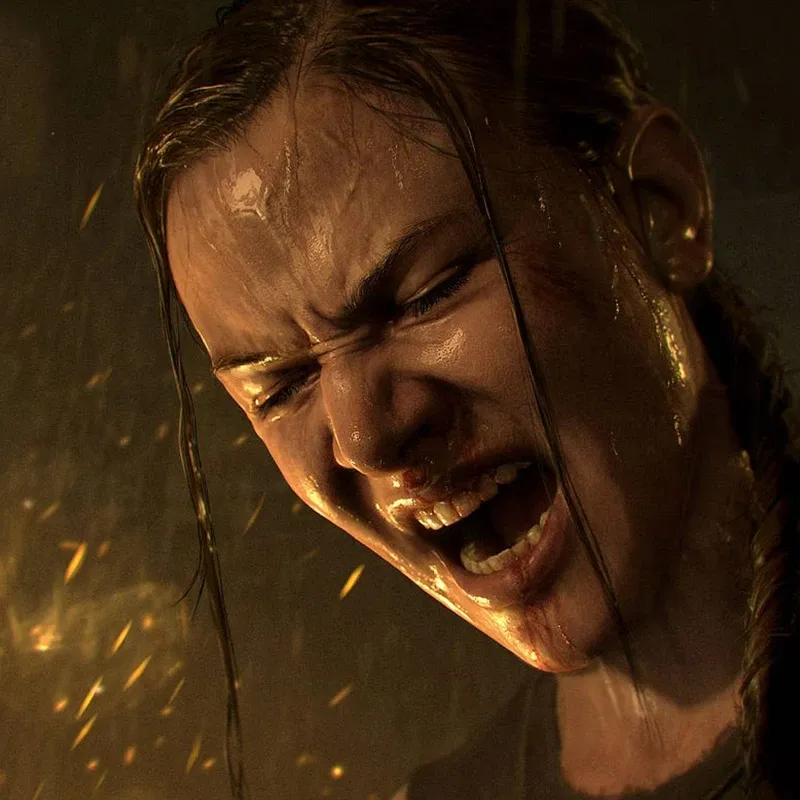
The Last of Us Part II is one of those rare games where its internet reputation was never as simple as "everyone hated it" or "everyone loved it." The game was commercially successful, critically acclaimed and simultaneously one of the most aggressively criticized major releases of its era.
The story itself also contributed to the intensity because it was designed to make players uncomfortable.
Ellie spends much of the game pursuing revenge. By the end, she has lost almost everything. She leaves Dina and their child behind because she cannot let go of Joel's death. She eventually finds Abby in a severely weakened condition and nearly kills her.
Then Ellie stops.
She remembers Joel and lets Abby live.
It is a deliberately complicated ending.
Ellie technically achieves the thing the story has been warning against by refusing to complete her revenge, but she has already sacrificed enormous parts of her life along the way. She returns to the farmhouse only to find that Dina has left. She has also lost the ability to play the guitar properly because she lost fingers during her final confrontation with Abby.
The game does not give the player a clean victory. Nobody really wins.
That was intentional, but it also made the game more difficult to discuss because it rejected the emotional payoff many players expected. There is no triumphant revenge sequence where Ellie kills Abby and walks away satisfied.
Instead, the player is left with loss, regret and the possibility that Ellie may finally be ready to move on.
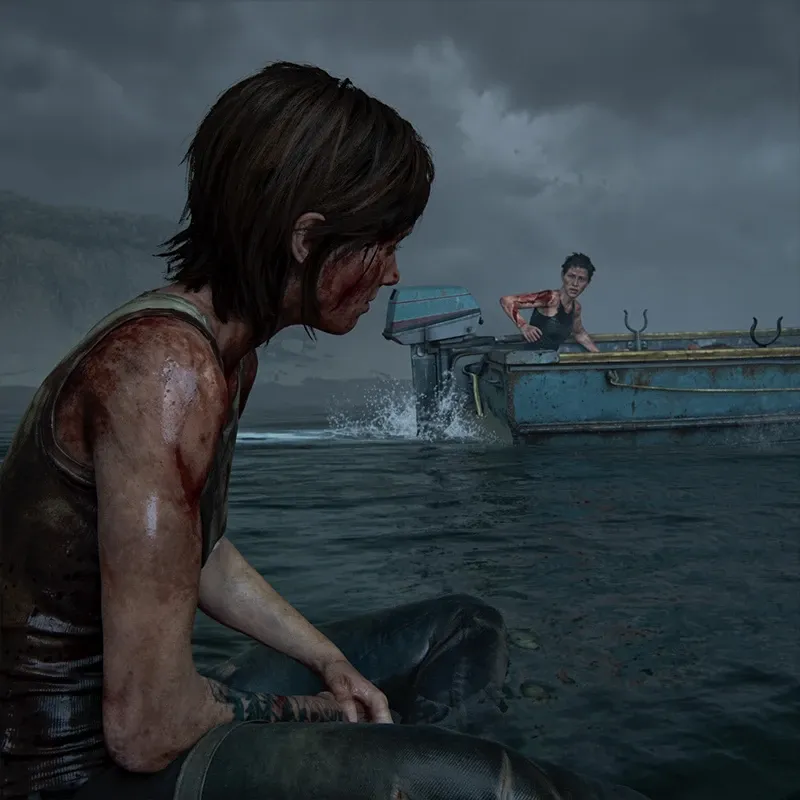
The game essentially asked its audience to confront a difficult question: what happens when the person you love is someone else's villain?
Joel is Ellie's father figure, but he is also the reason Abby lost her father. Ellie sees Abby as a murderer. Abby sees Joel as a murderer. Both perspectives are emotionally understandable, even though neither makes the violence disappear.
The internet, ironically, became an extension of that conflict.
Fans divided into camps. Some defended Joel. Others defended Abby. Some criticized Ellie. Others argued that Abby was never meant to be liked. People debated whether the game was genuinely profound or simply manipulative.
They argued about whether Naughty Dog had betrayed its audience or successfully challenged it.
And because these arguments happened publicly, they constantly generated new material.
A controversial review produced another discussion. A meme produced another argument. A YouTube video produced another response. A comment produced another thread. The Game Awards produced another wave of debate.
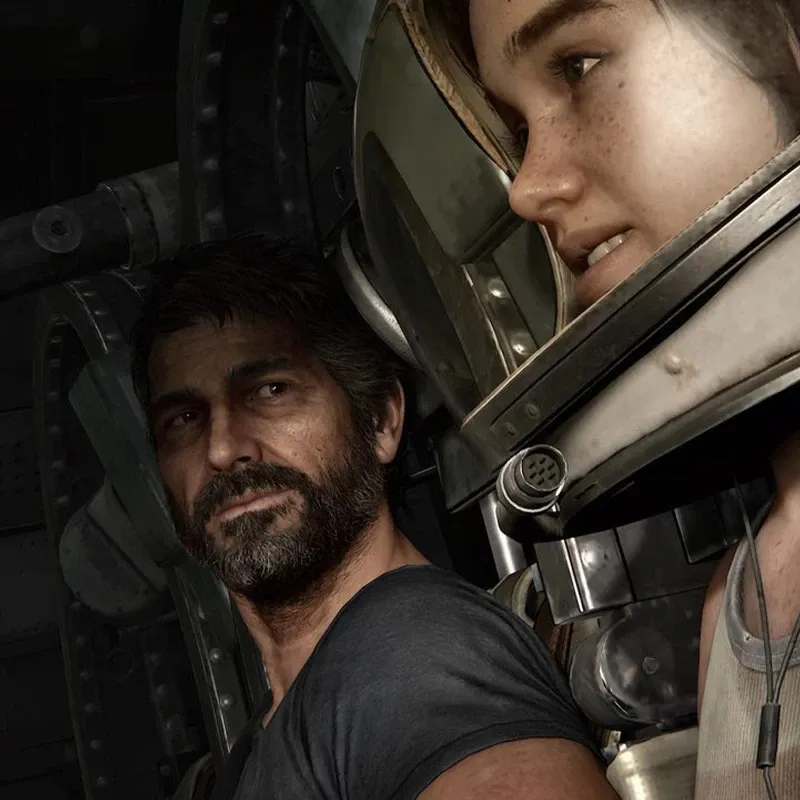
The controversy could sustain itself.
That is why people who never played the game could still become part of it.
In the end, The Last of Us Part II became a subject people could use to argue about storytelling, fandom, representation, revenge, politics, corporate entertainment and the relationship between creators and audiences.
It is a game that became bigger than the game because It had become an internet controversy with a story of its own.

















































































































































































































































































