In the early years of the new millennium Indonesia still moved at a different pace from the digital world that would soon arrive.
Internet cafes existed in bigger cities but connections were terribly slow and expensive, mobile phones mostly handled calls and text messages, and the idea of sharing a video instantly across the country felt almost unimaginable.
What traveled instead were physical objects.
Compact discs and especially video compact discs filled the stalls of roadside vendors, the shelves of small rental shops, and the bags of students who swapped them after class.
In that environment a private moment recorded in one city could quietly become a nationwide conversation long before social media platforms existed.

Bandung in 2001 carried its usual reputation as a cooler, more student oriented place than the capital, a city of campuses, cafes, and the lingering nickname Paris van Java.
Two young people studying there became the unexpected center of a story that would outlast their student years.
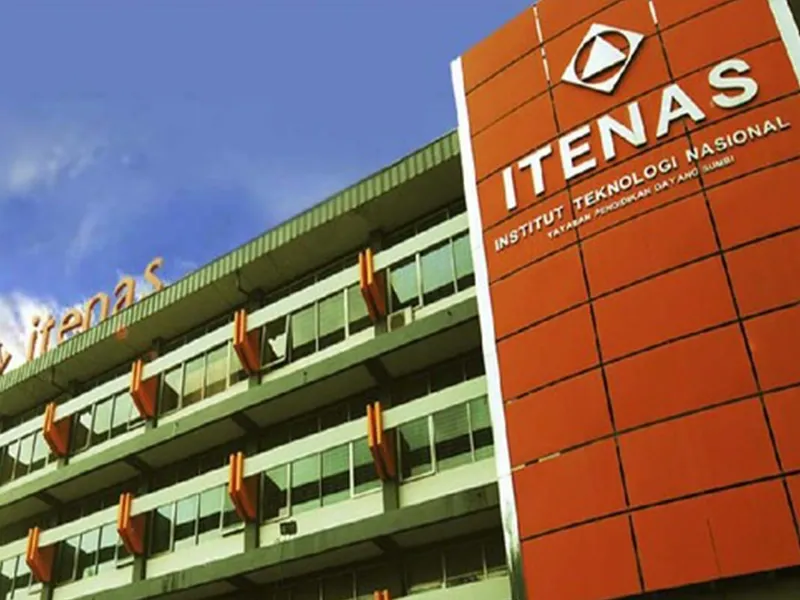
One was a young man known publicly only by the name Adi or sometimes AH, enrolled at the Institut Teknologi Nasional. The other was a young woman known as Nanda or Nan, studying at Universitas Padjadjaran.
Like many couples of their age they spent time together away from campus.
One of those times they used a handycam, still a relatively expensive piece of equipment then, to record their shared intimacy in a hotel room.
The recording moved between the bed and the bathroom, ordinary private footage that was never meant to leave their own possession.
After the recording Adi took the cassette to a multimedia rental shop with a simple request. He wanted the footage transferred onto a VCD so it would be easier to keep, and he asked the shop owner to erase the original once the transfer was finished.
The owner did not erase it.

Instead multiple copies were made.
Those copies left the shop and entered the informal networks that already distributed films and music across the archipelago. Within weeks the discs began appearing on sidewalks and in small stores under the title Bandung Lautan Asmara, a playful twist on the historical name "Bandung Lautan Api."
The video is also refer to as Itenas.
Prices were high for the time, sometimes Rp70,000 to $150,000 rupiah, yet demand stayed strong.
Students, office workers, and curious buyers passed the discs from hand to hand.
The video reached other cities through the same physical routes that carried pirated movies and music albums.
No website, no messaging app, and no streaming service was required.
The circulation relied on the existing underground economy of VCD duplication and street selling that flourished before broadband became common.
The effect on the two students and their families was immediate and heavy.
What had been a private recording now existed in thousands of physical copies. Media coverage followed, focusing on the universities involved and the broader questions of student life.
Both Adi and Nanda found themselves the subjects of public talk they had never sought.
The story settled into collective memory not only because of the content itself but because it demonstrated how easily a personal object could escape control in an age when copying required only a machine and a willing shopkeeper.In the years that followed other recordings continued to surface through similar channels and later through newer technology.
One early example involved a supposed casting session for a soap commercial in which several women were asked to remove their clothing in front of a camera, and also the one that involved a politician.
Those videos were moved through the same VCD networks and added to the growing awareness that private or semi private moments could become public goods.
A decade later the pattern reached celebrity culture when videos involving the musician known as Ariel and the actresses Luna Maya and Cut Tari spread rapidly once digital sharing became possible.
Still, later a series of recordings connected to a woman known as Vina from Garut traveled at internet speed and dominated social media conversations for days.
Each new case arrived in a different technological moment yet all of them carried an echo of the earlier Bandung episode, the first time an ordinary couple's private recording had moved so far and so fast through purely physical means.
The demand of the Bandung Lautan Asmara continues even decades after it happened.
It still srufaced in conversations about Indonesian media history, campus life, and the long transition from analog to digital sharing. The video is still uploaded, and reuploaded to the internet to adult websites.
People who were students then remember the sudden appearance of the discs and the quiet shock that followed. Younger generations encounter the story second hand, often as a reference point when newer leaks appear.
The original participants themselves stepped away from public view and have remained largely private figures.
Their experience stands as a marker of a particular moment when the boundary between personal life and public curiosity was tested by technology that was simple yet powerful enough to carry a single cassette across an entire country.
The physical discs have long since faded, but the memory of how quickly and how widely that private recording traveled continues to shape the way Indonesians talk about privacy, technology, and the unexpected afterlives of intimate moments.






















































































































































































































































































