In 2018, Apple has crossed the 100 percent renewable energy goal for its own operations, that included having all of its headquarters, data centers and retail stores to run on green energy.
Since manufacturing makes up 74 percent of Apple’s carbon footprint, convincing suppliers to also go green means to help them increase energy efficiency.
This time, the company announced that it has doubled the number of suppliers who agreed to run Apple manufacturing at 100 percent renewable energy too.
The suppliers include Foxconn, Wistron and Pegatron, which are iPhone assemblers; Corning, which is Apple’s display glass partner; and also TSMC, which is the manufacturer of Apple-designed ARM chips inside iPhone and iPad devices.
According to Lisa Jackson, Apple’s vice president of Environment, Policy and Social Initiatives:
"We’ve made it a priority to hold our suppliers accountable to the same environmental standards we observe and hope that our collaboration will show others what is possible. While we are proud of our announcement today, we won’t stop driving change within our industry to support the clean energy transition happening globally."
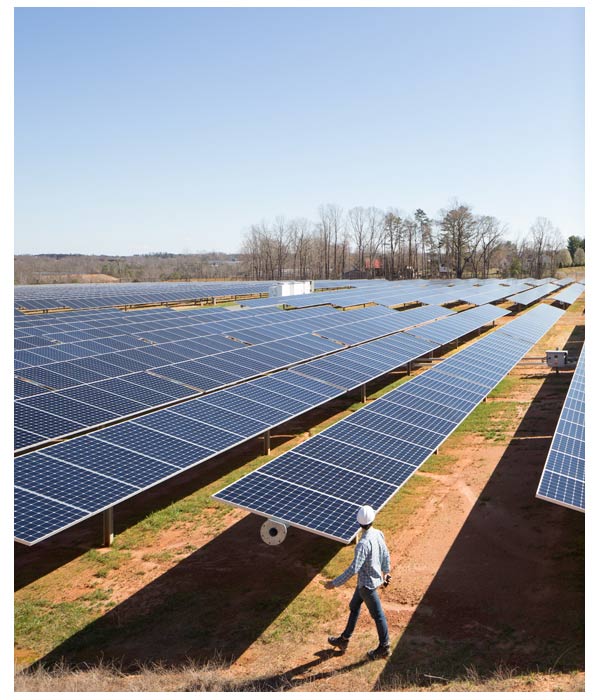
To make this happen, Apple addressed emissions by by having itself and its suppliers invest in or procured a mix of clean energy technology, including wind and solar. The company also managed to develop a new aluminum alloy made of 100 percent recycled materials.
With the commitment, Apple suppliers agree to run Apple-specific production activities using 100 percent renewable green energy. However, the commitment doesn't necessary pledge them to run all of their production operations on renewable energy.
The supply chain aims to add 5 gigawatts of renewable energy by 2020, exceeding Apple’s original 4 gigawatt goal.
To highlight its attempt, Apple also announced that it has allocated all $2.5 billion of its issued green bonds. These are specifically earmarked to be used for climate and environmental projects. These bonds are typically asset-linked and backed by the issuer's balance sheet, and are also referred to as climate bonds.
The Cupertino, California-based tech giant said that the green bond sales will be used to finance renewable energy, energy storage and energy efficiency projects, green buildings and resource conservation efforts.
Apple's green bond here is higher than most other U.S-based companies.
The funding goes to various projects around the world, including those that work on covering Apple’s electricity needs.
Apple said two-thirds of its renewable energy comes from green bond initiatives.
Apple has also further expanded its supplier education and support initiatives, including through its Clean Energy Portal, an online platform to help suppliers identify renewable energy sources globally. Over 100 suppliers have already registered to participate in the site.
The company has also launched a first-of-its-kind fund with 10 of its suppliers in 2018 to help finance renewable energy projects in China.