On platforms shaping the digital town square, a black market is thriving—right beneath the surface, and in full view.
An investigation by the Tech Transparency Project (TTP) has exposed how Meta-owned WhatsApp and Elon Musk’s X (formerly Twitter) have become enablers of a flourishing arms trade. According to the findings, these platforms are popular among arms dealers who use them to sell weapons directly to Houthi militants in Yemen.
Despite both companies publicly and explicitly prohibiting the sale or promotion of weapons, their rules appear largely unenforced—allowing traffickers to operate with brazen confidence and global reach.
The reality is jarring: accounts with pro-terror affiliations are using major U.S.-based platforms not just for propaganda, but for profit.
And these same platforms—whether through negligence or broken moderation systems—are letting it happen.
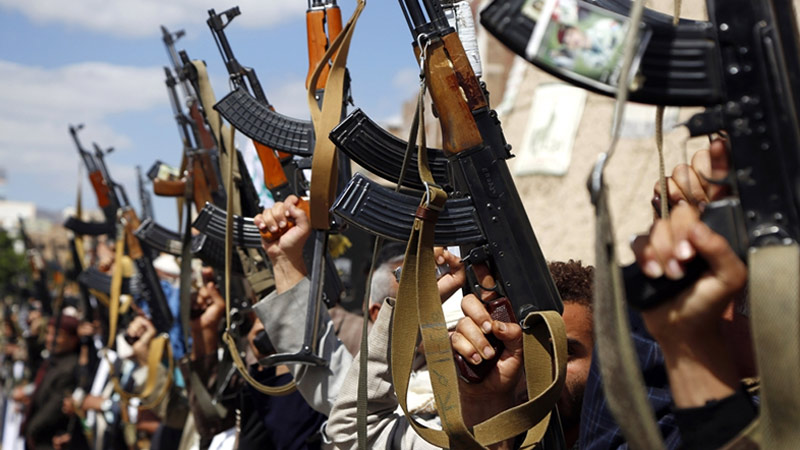
According to the TTP, many of the accounts on WhatsApp and X are verified, complete with checkmarks, and operate freely—some even enjoying perks tied to premium subscriptions.
On X, for instance, premium subscribers have uploaded extended videos showcasing weapons being displayed, demonstrated, or unboxed. Other accounts presented “professional” profiles self-labeled as “Gun Store” or “Shopping & Retail,” using business tools like analytics dashboards and tipping systems.
In one particularly surreal case, a user even attempted to sell a Starlink terminal—part of Musk’s own SpaceX network—on the same platform that facilitates their weapon trade.
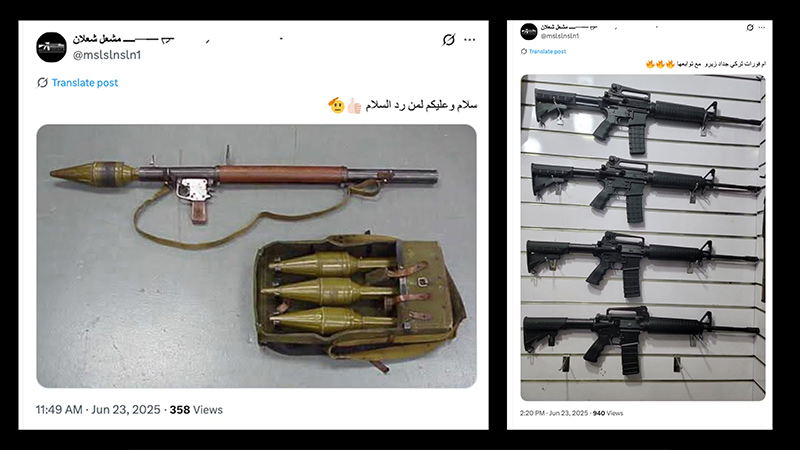
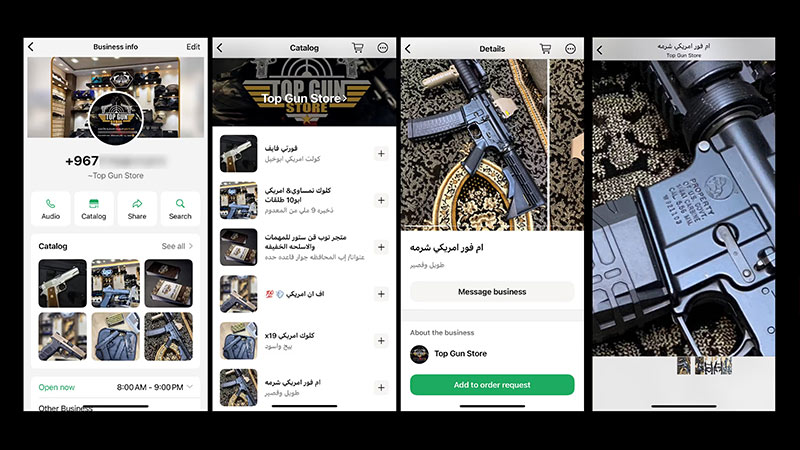
TTP identified 130 Yemen-based X accounts advertising an arsenal of weaponry, from M4 carbines and SVD sniper rifles—many stamped “Property of U.S. Govt”—to the ever-popular AK-47s.
Several rifles bore stamps from U.S. manufacturers such as Colt or LWRC International. Others promoted accessories like night-vision goggles, tactical helmets, and even grenade launchers..
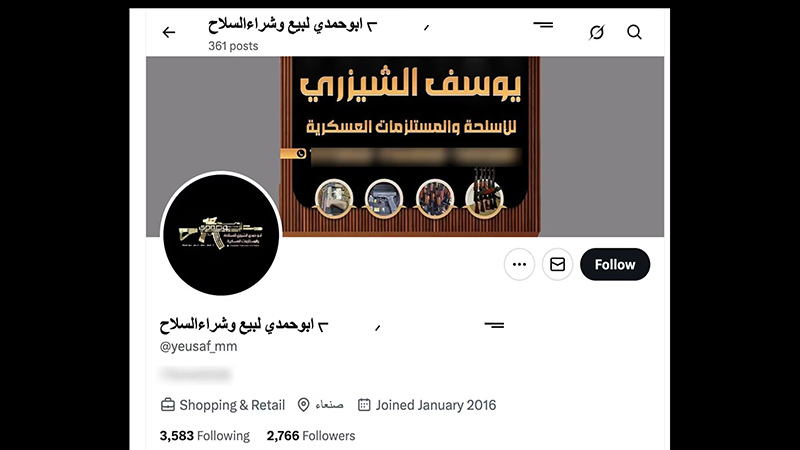
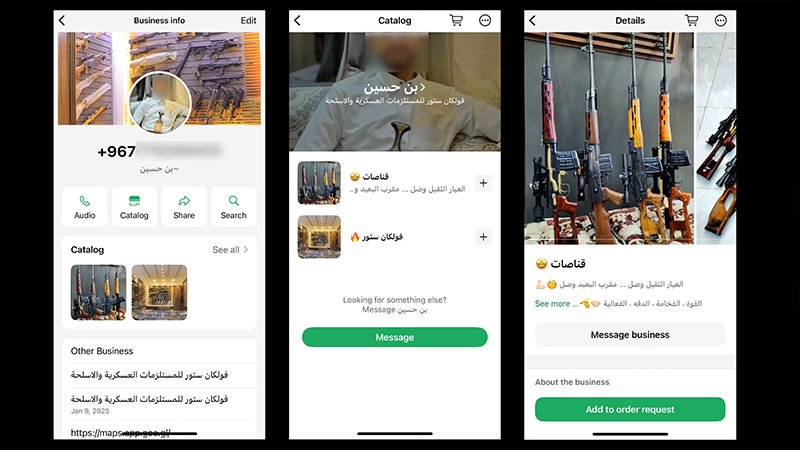
On WhatsApp, TTP found 69 business profiles directly linked to arms dealers.
Catalogs from these accounts—allegedly reviewed manually before approval—openly showcased products ranging from American Glocks to Turkish-made M4 clones. At least 28 accounts clearly stated they were involved in arms trading. Others linked to Facebook and Instagram pages sharing the same content, compounding Meta’s already embattled moderation reputation.
More than half of these accounts are based in Sanaa, the Houthi-controlled capital.
These accounts frequently display the Houthi emblem and share pro-Houthi content, signaling open allegiance to a U.S.-designated terrorist organization. Some even advertise weapons neatly packed in boxes emblazoned with slogans like “Death to America” and “Victory to Islam.” Others boast that their locally made rifles are “better than the Russian.”
Nearly two-thirds of these accounts were created after Musk acquired Twitter in late 2022. A majority have been actively trading weapons within the last six months.
They operate in the open, often directing potential buyers to WhatsApp or Telegram for further communication.
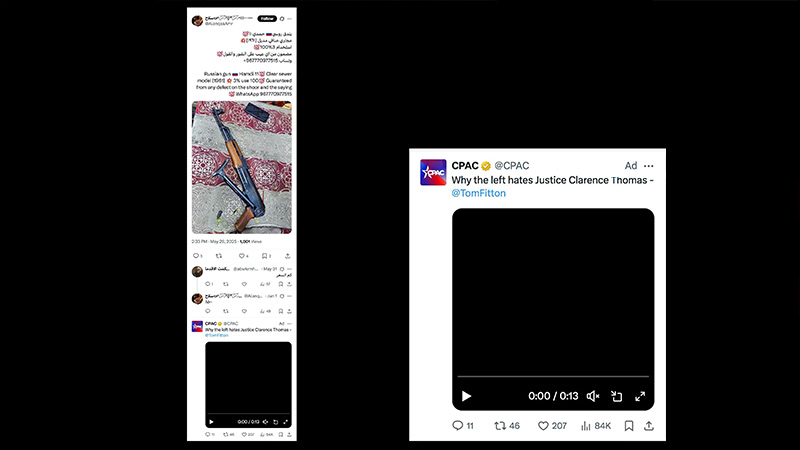
Despite X’s claims that ad placement avoids unsafe content, TTP found no evidence of enforcement or takedowns. Some arms dealers have even replied directly to Musk’s own tweets, including one where he shared a video of himself firing a sniper rifle—replies included photos of the same model, offered for sale.
Meta, for its part, has stated that WhatsApp’s end-to-end encryption limits its ability to monitor user activity. However, WhatsApp Business profiles and product catalogs are still subject to review—and yet the content continues to slip through, in direct violation of Meta’s commerce and business policies that prohibit the sale of firearms and explosives.
And perhaps most damning of all: some of these accounts run ads.
Those ads can appear directly beneath, or in the reply threads of, posts featuring assault rifles and grenade launchers.
The Houthis—officially known as Ansar Allah (“Supporters of God”)—are a Zaydi Shia Islamist movement based in northern Yemen. They emerged in the 1990s among the marginalized Zaydi minority and were founded by Hussein al‑Houthi; after his death in 2004, his brother Abdul‑Malik al‑Houthi assumed leadership.
Initially a religious revivalist group, the Houthis evolved into an armed political faction opposing the Yemeni government and Saudi influence. In 2014–2015, they seized the capital, Sanaa, and established a de facto governance over much of northern and western Yemen, triggering intervention by a Saudi‑led coalition.
As of early 2025, they control Sanaa and key Red Sea ports, administering a parallel government known as the Supreme Political Council
.
Ideologically aligned with Iran and part of its so-called "Axis of Resistance," the Houthis oppose U.S. and Israeli influence, adopting the slogan:
“God is great, death to America, death to Israel, curse on the Jews, victory to Islam.”
And with American-based platforms aiding the sale of American-made weapons—many of which may be used in attacks on Red Sea shipping or in direct opposition to U.S. interests—this isn’t merely a policy failure. To the U.S., this should be considered a national security threat hiding in plain sight: scrollable, shareable, and monetized.
The presence of U.S. military equipment in these listings also raises deeply troubling questions about its origin.
Some of it may stem from the vast arsenal abandoned during the U.S. withdrawal from Afghanistan, now fueling conflicts across the Middle East and beyond. Others likely arrive via Iran’s Qods Force, particularly Unit 190 of the IRGC, which has long specialized in smuggling military-grade weapons to the Houthis—ranging from rifles and RPGs to missiles and drone parts—hidden inside shipments falsely marked as humanitarian aid or commercial goods.
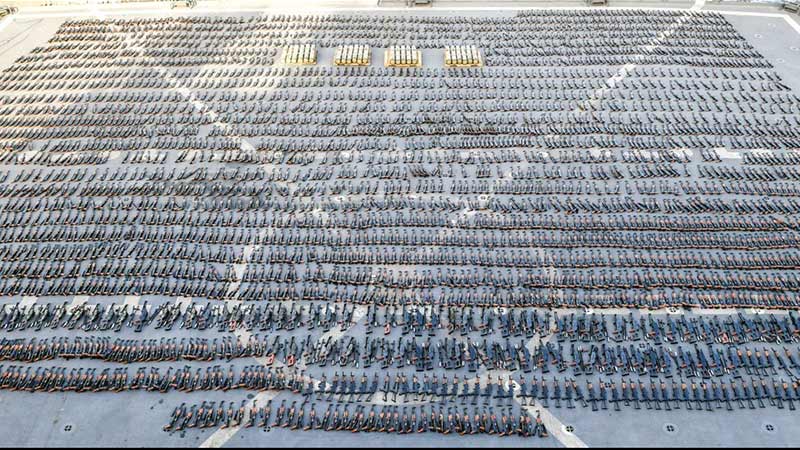
These weapons often travel maritime routes—using unregistered sailing vessels and small fishing boats launched from Iranian ports or transshipment hubs in Somalia and Oman. They're offloaded in remote coastal regions, then smuggled inland into Houthi-controlled territory.
Overland transfers are also common, slipping through Yemen’s porous border with Oman via tribal routes and covert trucking networks—where arms are hidden beneath layers of ordinary cargo.
Meanwhile, front companies in the Gulf and Asia help procure dual-use components—like drone sensors and optical gear—through legitimate trade channels, only to have them quietly diverted into Yemen’s war economy.






















































































































































































































































































