The rugged, volcanic shores of the Canary Islands are where the warm Atlantic breeze carries the faint scent of salt and the promise of endless sunshine.
This beautiful Spanish archipelago, nestled just off the northwest coast of Africa, is a dream destination for travelers seeking dramatic landscapes, prehistoric forests, and a unique rhythm of life.
Yet, even in a paradise known for its eternal spring and vibrant tourism economy, the modern digital infrastructure that connects these islands to the rest of the world remains deeply intertwined with delicate, localized engineering systems that can face sudden, unexpected disruptions.
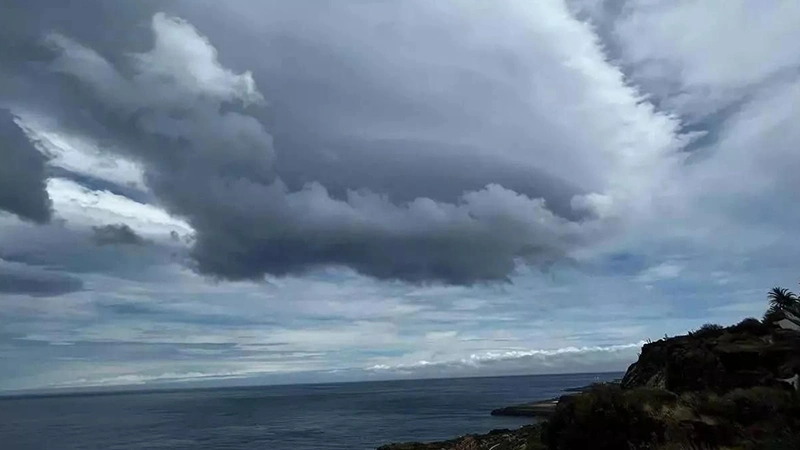
When a severe thunderstorm rolled across the island of La Palma, it did not just bring dramatic skies.
It triggered a massive, island wide energy zero event that quickly cascaded into a complete telecommunications blackout.
The Canary Islands is a place where tourisms represents a massive pillar of the local economy, and here, the sudden digital silence created immediate operational chaos at hotels and resorts.
With no fixed or mobile internet, digital reservation platforms froze, online check in systems for incoming international travelers failed to update, and hotel receptionists were forced to handle arriving guests manually, leading to massive queues.
Furthermore, digital payment systems and point of sale terminals ceased to function entirely, paralyzing businesses and leaving tourists unable to pay for meals, excursions, or taxi rides unless they happened to carry paper currency.
According to the 112 Emergency Coordination Centre in Santa Cruz de Tenerife, 92 incidents linked to a severe storm affecting the Canary Islands. This included a complete power outage on the island of La Palma.
Moisés Sánchez, the director of 112, explained that the incidents were distributed across the islands: 68 in Tenerife, 16 in La Palma, five in El Hierro, and six in La Gomera.
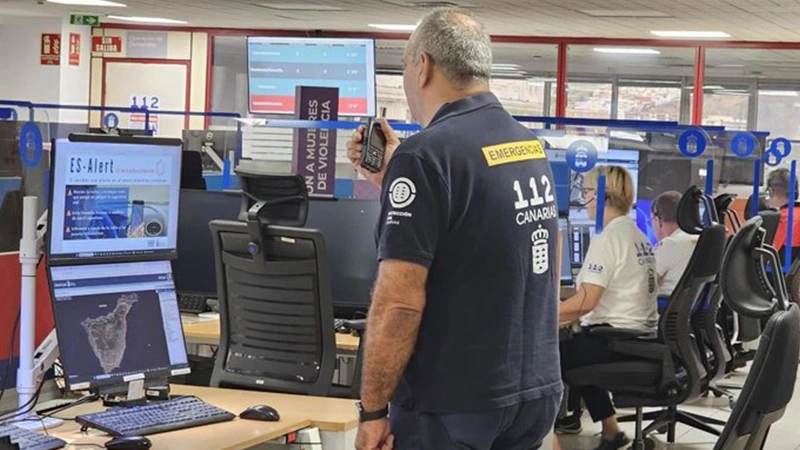
The majority stemmed from basic supply disruptions, particularly electrical outages.
Tenerife saw additional issues with water supply and road blockages caused by falling rocks in areas like Granadilla, Arona, and Santa Cruz de Tenerife.
The technical cause behind the collapse highlights the extreme vulnerability of isolated island grids compared to larger, interconnected networks.
The failure began around 4 a.m. when a violent lightning strike slammed into an electrical substation, instantly sparking a fire that severed multiple medium and low voltage distribution lines.
This primary shock heavily strained the network, and the situation deteriorated rapidly when the 66 kilovolt Guinchos Valle transmission line, which functions as the single high voltage backbone for the island's electricity distribution, suffered a secondary structural fault.
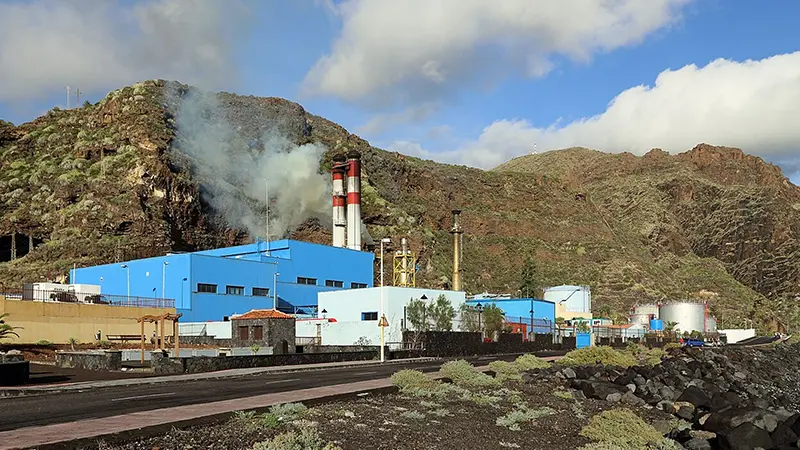
Deprived of its main transmission pathway, the generation units at the diesel fired Los Guinchos thermal power plant experienced a dangerous imbalance and automatically disconnected from the grid to prevent catastrophic mechanical damage, completely crippling power delivery to all 50,508 connection points on the island.
Without electrical power, the local telecommunications centers and cellular towers quickly drained their short term battery reserves, leading to a widespread internet collapse that was monitored globally by the NetBlocks internet observatory.
While critical transport hubs like the local airport and emergency centers managed to maintain baseline operations via local backup generators, everyday connectivity was completely severed.
Resolving this crisis required a carefully phased recovery plan engineered by national grid operator Red Eléctrica and power company Endesa.
Because the island operates on an entirely isolated electrical grid with no mainland connections to instantly pull power from, technicians could not simply flip a single switch to turn the lights and internet back on.
Instead, they had to implement a delicate manual protocol to gradually rebuild the grid from scratch, starting by systematically firing up individual generation units at the thermal plant and matching their output with localized segments of the transmission network.
This meticulous process was crucial to prevent a sudden surge of consumer demand from overwhelming the unstable system and causing yet another immediate cascade failure.
Fortunately, the total timeline for this high stakes restoration was remarkably short, lasting just under 4 hours from the absolute system collapse.
While the initial high voltage transmission line failed in the early hours, the full island wide energy zero in the morning quickly prompted the Canary Islands government to instantly declare a state of emergency under their civil protection framework.
Working through the pouring rain, engineering crews managed to return the high voltage backbone to service, re-stabilize the network frequency, and successfully achieve 100% normalization of power and connectivity across all municipalities by around 11 a.m.
Telecommunications networks instantly rebooted as soon as the distribution nodes received steady current, allowing local shops to process credit cards again, stranded travelers to access digital boarding passes, and the beautiful island to safely reconnect with the modern world.
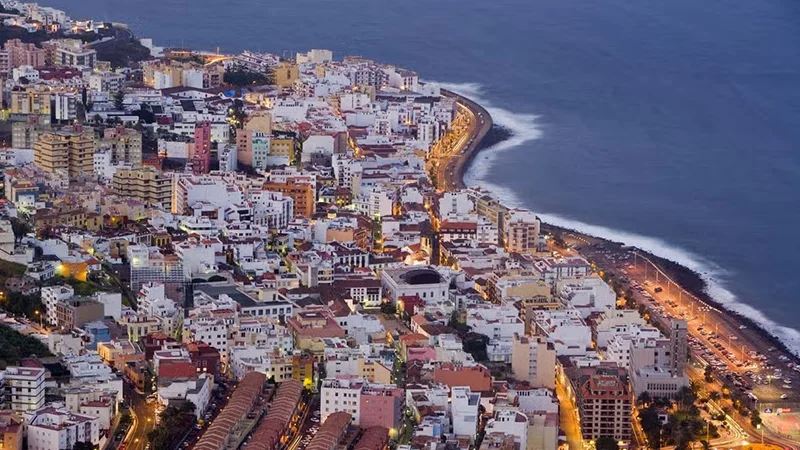
As the digital fog lifted and the hum of everyday life returned to La Palma, the incident has once again fueled intense regional debates regarding the aging infrastructure of the Los Guinchos plant, where upgrades have been delayed for over a decade.
This has again highlighted the urgent need for the Canary Islands government to accelerate renewable energy integration to make these isolated Atlantic paradises truly resilient against future infrastructure shocks.