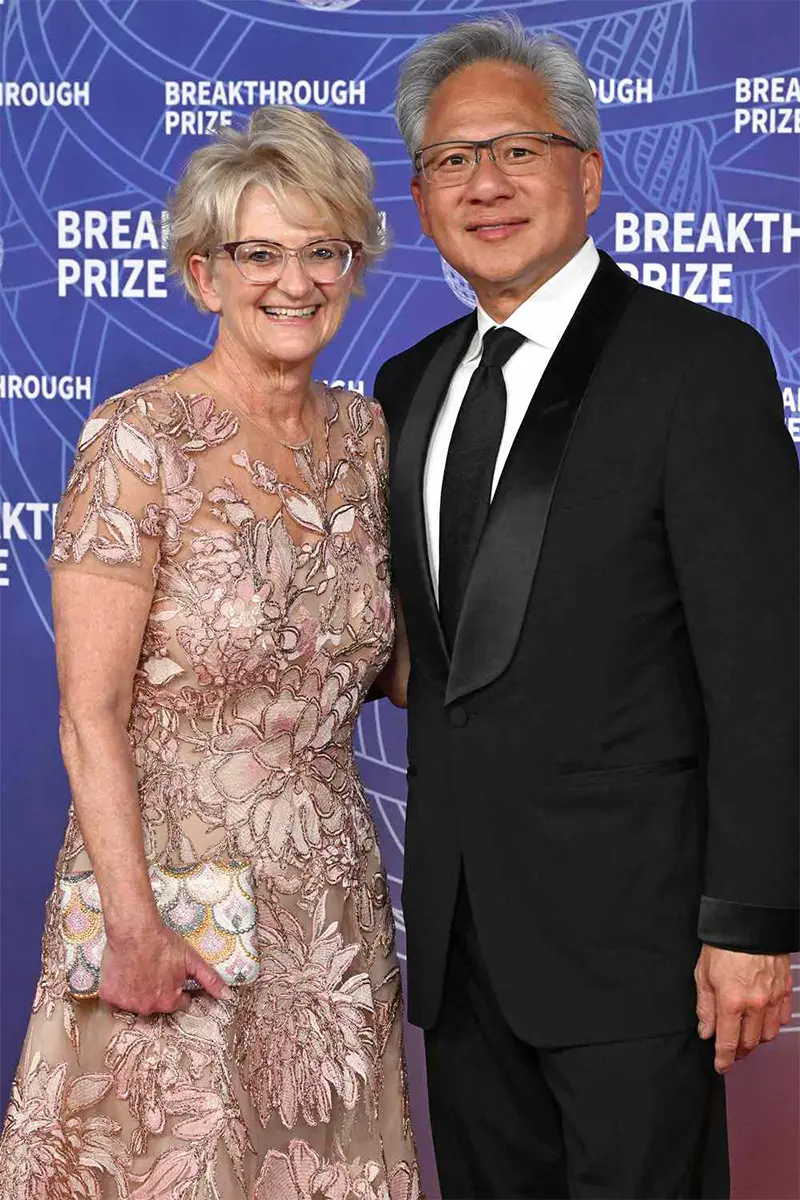
On a quiet Sunday in early November, the man who had spent three decades building the company that powers the world's AI boom sat down and wrote an email and a post on Nvidia he had never expected to send.
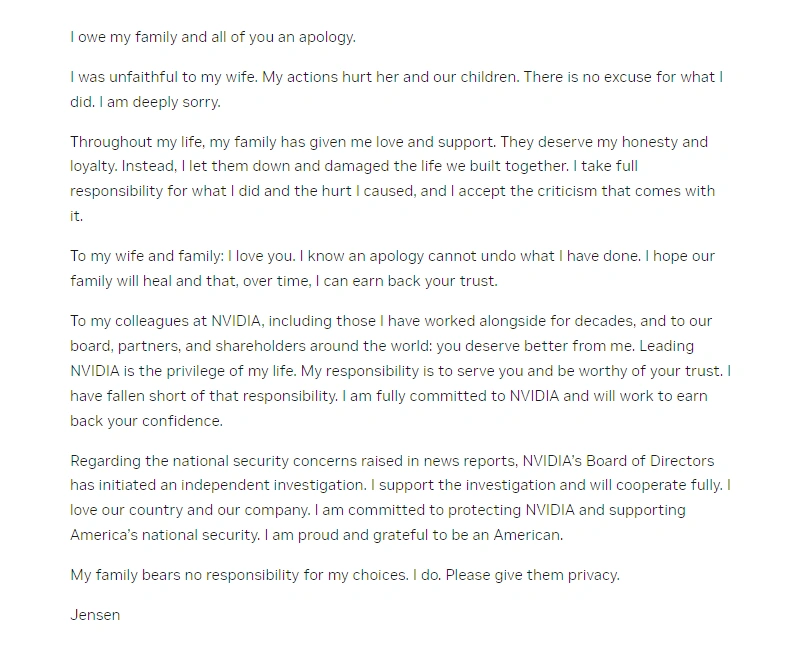
Jensen Huang, the silver-haired CEO of Nvidia, told the thousands of people who worked for him and worked alongside him that he had been unfaithful to his wife.
He said his actions had hurt her and their two grown children, adding that there was no excuse. Then he explained that the company's board had opened an independent investigation into the matter.
The investigation was not required only because of an alleged extramarital affair.
It was required because the woman at the center of the story is suspected to be a foreign intelligence operative.

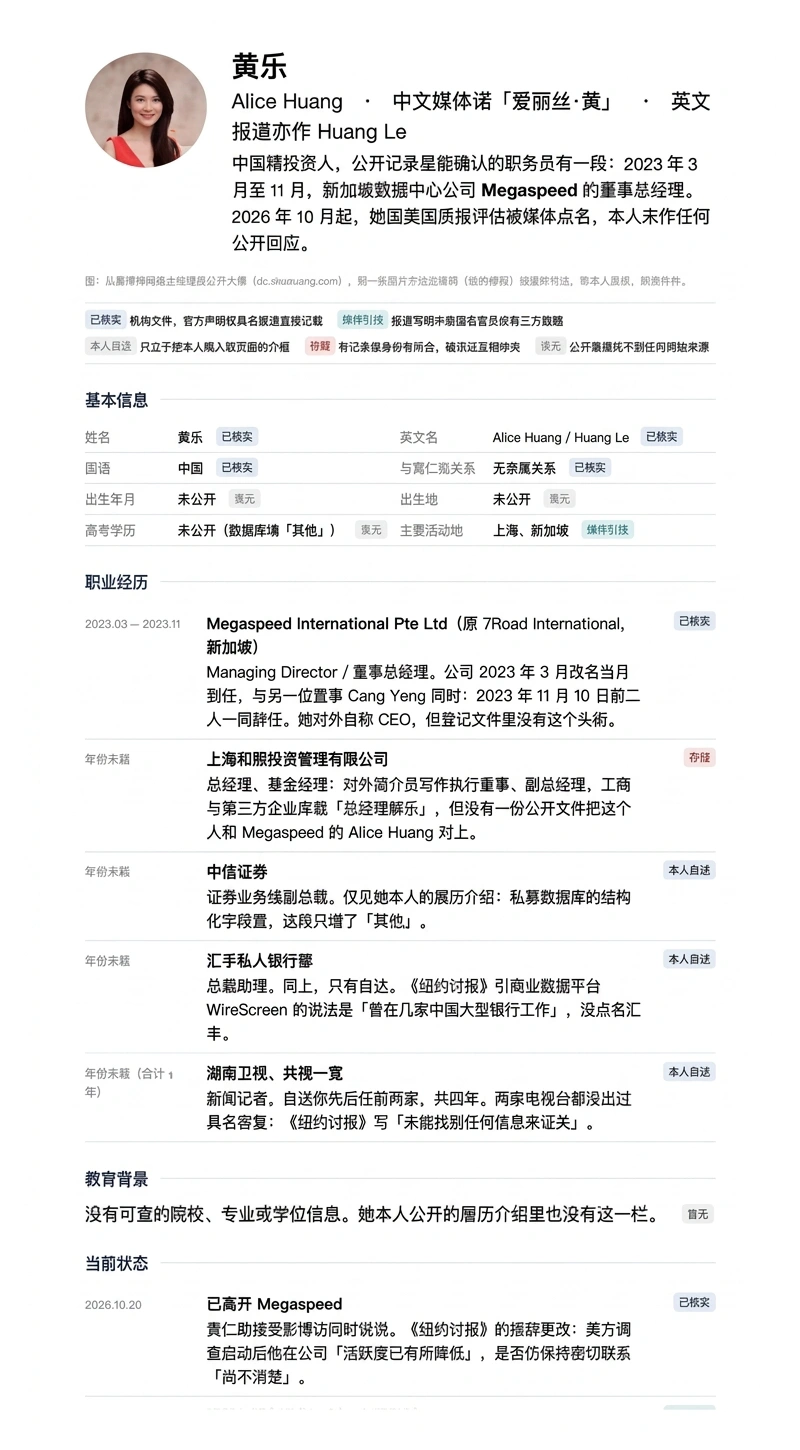
Alice Huang, also known as Huang Le, is a Chinese citizen and a former senior executive at a Singapore-based data center firm called Megaspeed.
The two share a surname but are not related.
For roughly a year, American intelligence agencies had been watching her. Electronic surveillance picked up communications between her and an American citizen, and through a process known as unmasking, that citizen was identified as Jensen Huang.
Officials concluded she was sharing information with China's Ministry of State Security while her company bought billions of dollars worth of Nvidia's most advanced chips.
In corporate espionage, especially the kind practiced by state intelligence services, the goal is rarely a single dramatic theft of blueprints.
More often, it is the steady gathering of useful details: what a company plans to build next, how export rules are being interpreted, which customers are being prioritized, and what a chief executive really thinks about the political pressure surrounding his products.
A personal relationship can open doors to that kind of information in a way formal meetings can never do.
Conversations over drinks, after dinner, or in private can reveal priorities, frustrations, and timelines that never appear in official briefings.
Intelligence services have long used such approaches against executives in strategic industries.
In the race for AI, where one company supplies around 80% of the global chip market and decides who trains the most powerful models, the value of that kind of access is hard to overstate.

As for Megaspeed, the company was spun out of 7Road, a Chinese gaming company that once counted state investors among its backers.
It had become one of Nvidia's larger customers in Southeast Asia, with import records indicating purchases totaling about $4.8 billion.
American authorities had already been examining whether those chips, or the computing power they generated, were finding their way to customers inside China despite export restrictions meant to slow Beijing's AI progress.
The concern went beyond where the money went.
It reached into where the hardware was sent and what trade secrets or strategic insights the woman might have obtained by becoming close to the man who controlled the supply.
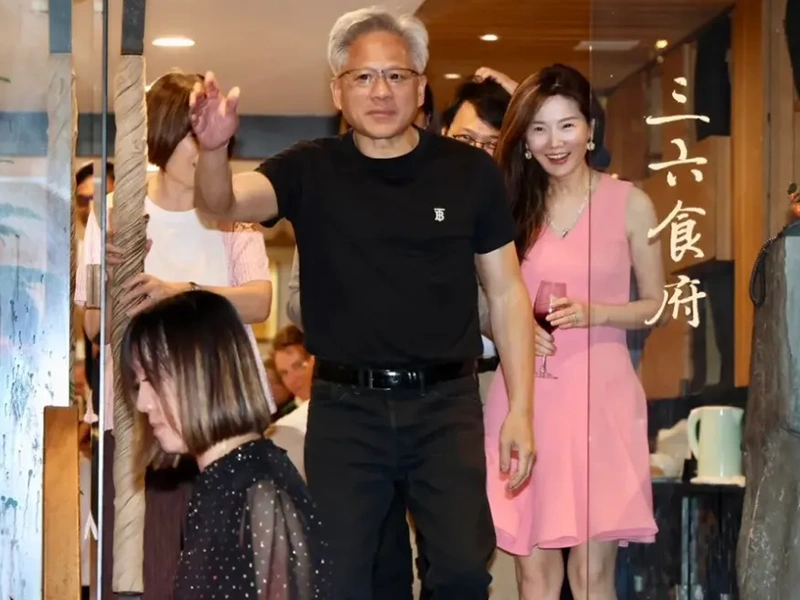
Early checks found that Alice Huang's public résumé was vague, incomplete, and in places disputed.
Profiles in Chinese investment databases described earlier work as a television reporter at Hunan Television and CCTV, followed by roles in private banking at HSBC and at the securities firm CITIC.
However, a Hunan Television executive later told reporters the station had no record of her, and neither bank confirmed the positions.
She never disclosed her age in data that she has made public, but it is estimated that she is at her late 30s or mid-40s.
What is certain is that she later appeared connected to a Chinese investment firm, taking a role as an executive director and fund manager at Shanghai Hexi Investment Management, which had put money into 7Road, the gaming company from which Megaspeed emerged.
People who met her described a fluent English speaker who moved easily among industry dinners and conferences across Asia.
What, if anything, she passed to Beijing, and how valuable it was, has not been made public.
The general public began noticing her presence most notably through photographs from June 2024.
At the time, Alice Huang and Jensen Huang were seen together at a bar in Taipei after the Computex technology trade show, drinking whiskey with other executives in the semiconductor world.
President Trump, who maintains a close working relationship with Jensen Huang, was briefed on the intelligence roughly a year before the story broke.
Officials at the time did not believe Huang knew about any foreign intelligence activity. The allegations land on a CEO with rare access to the White House, though national security officials have privately voiced frustration with Huang, who personally lobbied Trump this year to let Nvidia sell its H200 chip to Chinese customers. China has historically accounted for up to a fifth of Nvidia's revenue, making the market central to Nvidia's commercial strategy.
It was The New York Times that published the first detailed account at the end of October.
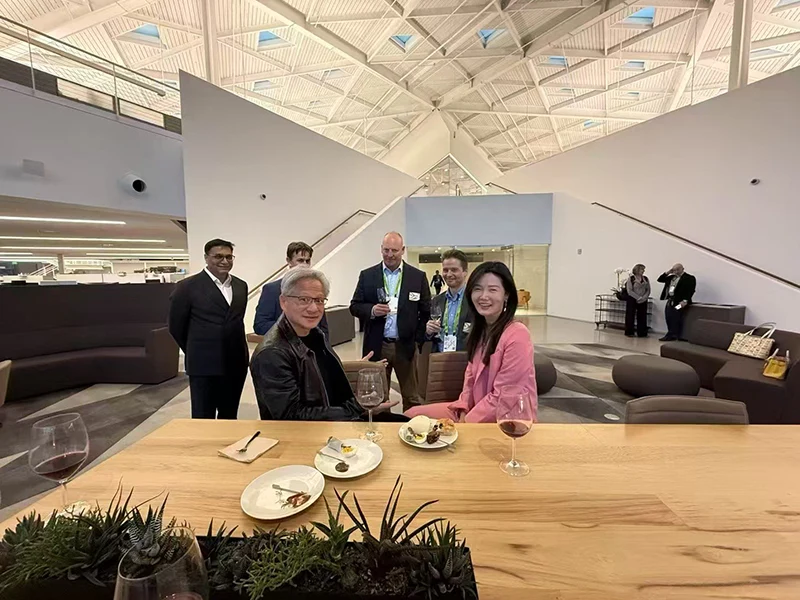
Nvidia initially described the chief executive's meetings with Alice Huang as ordinary customer contact.
China called the allegations groundless speculation.
Additional reporting in early November referred to a U.S. officials' memo that characterized the relationship as romantic.
Following these revelations, members of Congress asked Huang for a closed-door briefing on the company's defenses against foreign espionage.
On November 8, he sent the email.
He told his colleagues he had fallen short of the trust they placed in him. He said he loved his country and his company, pledging to cooperate fully with the board's inquiry while asking for privacy for his family.
The board stated it had no reason to believe company secrets or national security had been compromised, yet it would examine all available information.
A committee of independent directors, assisted by outside counsel, is overseeing the work while Huang remains chief executive. Analysts called the episode a black eye that could hang over the stock and intensify scrutiny of Nvidia's China-related sales.
Shares, already volatile after a sharp weekly drop on broader worries about AI spending, fell further in overnight trading.
At this time, Nvidia's market value has hovered near $4.5 trillion. Its chips sit at the center of the global race to build more powerful AI systems. That position has made its chief executive one of the world's richest people with a net worth around $162 billion and, apparently, a high-value target.
Lori Huang, his wife of 41 years, has stayed largely out of the public eye. The two met as engineering students at Oregon State University in the early 1980s, and their daughter and son both work at Nvidia.
The couple's foundation holds a large stake in the company and has funded major university gifts.